Tag: microsoft

  • Windows XP and patches

    Windows XP and patches

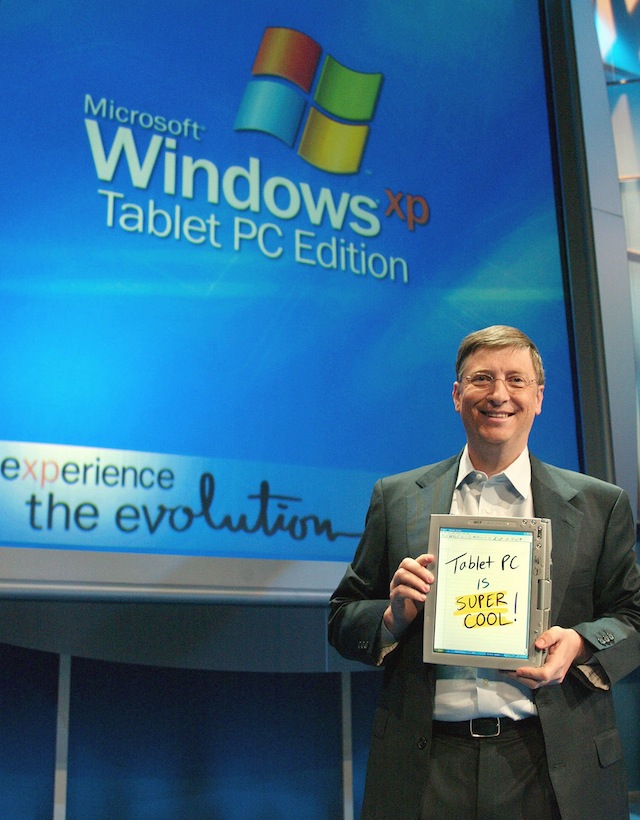
    It’s notable that the long flagged end of Microsoft’s support for Windows XP happened the day before the Heartbleed bug, one of the most worrying security flaws we’ve seen was publicly revealed.

    One of the questions that has bugged many of us in the industry – pardon the pun – is whether Microsoft would back down on its insistence they would not issue security patches for Windows XP when a major exploit became public.

    With between 15 and 30% of the world’s desktop computers still running XP and  6,000 websites  reportedly running on the superseded system, it’s hard not to see how Microsoft could justify not sending out an update should an exploit the size of the Heartbleed bug become apparent.

    As it is, there may be some argument for updating some of the security certificates in the Windows XP and the older versions of Internet Explorer in the light of the Heartbleed bug, we’ll wait to see on that.

    While Heartbleed doesn’t directly affect Windows XP computers, it’s still a reminder that life is going to get tough for those running an unpatchable operating system.

    Similar posts:

    • No Related Posts
  • Holy wars and internet empires

    Holy wars and internet empires

    A regular topic of this blog has been the rise of the internet empires that want to lock users into their kingdoms.

    On the edges of these empires things can get ugly as the competing groups fight for supremacy and to capture users.

    In these wars, no-one was capable of getting uglier that Steve Jobs.

    Which makes Steve Jobs’ declaration that 2011 would be a year of Holy War with Google unsurprising.

    The statement typical Jobsian hyperbole, but we should under estimate just how serious Apple’s staff would take such a statement.

    Apple’s intention to wage ‘holy war’ illustrates just how high the stakes as the online empires try to capture users.

    Those Holy Wars and the reason they are being fought is something all of us should keep in mind when we’re asked to choose between Apple, Google or Microsoft.

    Similar posts:

    • No Related Posts
  • Microsoft Office goes onto the iPad

    Microsoft Office goes onto the iPad

    After several years of stalling, MS Office makes it onto the iPad with an announcement this morning by Microsoft’s CEO Satya Nadella.

    The idea of tying the product into the company’s Office 365 and Microsoft’s cloud services make sense although it might be a matter of too little, too late.

    Perversely, if Office for the iPad is successful, it could remove one of the last barriers for business and power home users moving off PCs.

    Microsoft’s move also shows cloud services are now the main focus of the company; Satya and his team have given up any attempt to shore up the traditional – and immensely profitable – box software business.

    That is going to mean Microsoft’s financial statements are going to look very different in the near future.

    Regardless of the success of Office for the iPad, what were Microsoft’s core businesses are deeply affected as the company evolves to the post-PC computer marketplace. The challenge is for Satya and his management team to manage that change.

    Similar posts:

    • No Related Posts
  • Bill Gates and the fight for trustworthy computing

    Bill Gates and the fight for trustworthy computing

    Microsoft’s task of securing its software was a huge undertaking, one that isn’t over yet.

    One of the great, and possibly under recognised, business achievements of the computer age was Bill Gates’ recognition that Microsoft’s online strategy was flawed shortly after releasing Windows 95. A few years later he had to repeat the task when the company found its products were almost dangerously insecure.

    In a sprawling account of the company’s response to the security problems at the turn of the century, Life In The Digital Crosshairs, describes how Microsoft’s engineers responded to their then CEO’s call for Trustworthy Computing.

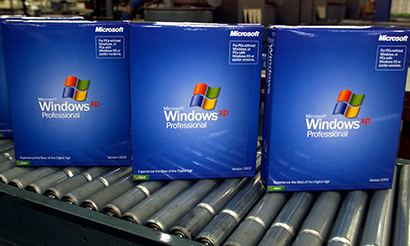
    The problems at the time were vast, compounded by Microsoft’s failure to take security seriously – the first version of Windows XP came out without a firewall which ensured thousands of users were quickly infected by the computer worms rampant on many ISPs networks at the time.

    As the story tells, it was a long difficult task for Microsoft to change complex and interdependent computer code involving 8,500 of the company’s engineers.

    One suspects the cultural challenges were even greater in getting the managers supervising the army of engineers to understand just how serious the security threat was to Microsoft’s users.

    The biggest challenge though was Microsoft’s own product line; because the company hadn’t ‘baked’ security into its software, key products like Microsoft Office relied on lax security practices to work properly.

    Office and Windows also had the problem of legacy code and applications; one of Microsoft’s selling points over Apple and other competitor systems was that the company took pride in supporting older hardware and software, this in itself creates security risks when programs designed in the MS-DOS days still want to write to the system kernel.

    For Microsoft the journey isn’t over, although the shift to cloud computing has changed – and simplified – the company’s security quest by making legacy issues in Office and Windows less important.

    Microsoft and Gates’ success in seeing off the threats posed by the internet gave the company another decade of computer industry dominance, however dealing with security issues was nowhere near successful.

    In the end however it wasn’t security issues that saw Microsoft lose its dominance; the internet eventually prevailed as Apple revolutionised mobile computing while Amazon and Google improved cloud services.

    With Bill Gates reportedly finding himself getting more involved in the company he founded, the challenges of both the internet and security are two that he’s going to be very familiar with. It will be interesting to see what we write about Microsoft in 2022.

    Similar posts:
    • No Related Posts
  • Disrupting the smartphone market

    Disrupting the smartphone market

    It’s been a long time since we’ve had a three or four way war in the technology industry, with most sectors settling down into a two way fight between alternatives.

    Mozilla’s promised $25 smartphone project threatens to open the mobile industry into a three way battle just as it appeared the market had comfortably settled down into an Android and iOS duopoly.

    Now we see a three way race and possibly four if Samsung can get traction with its Tizen operating system that it’s bundling into the latest version of the Gear smartwatch.

    One positive aspect of the four way battle is that three of the participants – Firefox, Tizen and Android are relatively open so compatibility between them isn’t impossible.

    For Google and Apple though, this four way tussle presents a problem to their business plans.

    Apple’s iOS ambitions of putting the software in smarthomes, connected cars and, possibly most lucratively of all, into retailing with iBeacon are threatened by a fragmented market and a rapidly eroding market share.

    For Google, both Firefox and Tizen threaten the dominant position of their Android operating system that forms a plank in the company’s ambition to control the planet’s data and become an ‘identity service’.

    Worse still for Google’s information ambitions, Firefox is working with Deutsche Telekom on a security initiative that will lock away users’ data.

    So the stakes are high in the smartphone operating systems wars.

    It’s early days to forecast the demise of either Android or Apple iOS, which is unlikely in the short term, but if Firefox’s operating system does take hold it will mean the smartphone industry is about to become a lot more complex.

    Similar posts:

    • No Related Posts