Tag: microsoft

  • IT industry feuds are buried as business models collapse

    IT industry feuds are buried as business models collapse

    The collapsing personal computing and server markets are forcing once powerful competitors to bury animosities and feuds as industry giants face a troubled future.

    Samsung’s exit from selling desktop computers illustrates how quickly the PC industry is collapsing which underscores Michael Dell’s urgency in his attempts to take Dell Computer private along with the spectacle of once hostile competitors like Oracle and Microsoft embracing each other.

    Earlier this week Microsoft Australia hosted a briefing at their North Ryde office to show what the company is doing with their Azure cloud computing service, which is part of the company’s quest to find revenues in the post-PC world.

    Microsoft are quickly adapting to the new marketplace. This week in Madrid, the company hosted their European TechEd conference where they showed off their Cloud First design principles of software built around online services rather than servers and desktop PCs.

    One important part of Microsoft’s cloud strategy is establishing pairs of data centres to provide continuity to the various zones, including China, across the globe. Each individual centre is at least 400 miles apart from its twin to avoid interruptions from natural disasters.

    Interestingly, this is the opposite of Google’s data centre strategy and quite different from how Amazon offers its data services where customers can choose the zones and level of redundancy they want.

    There’s no real reason to think any of these three different philosophies are flawed, it’s a difference in implementation and each approach brings its own advantages and downsides which customers are going to have choose between.

    While Microsoft is showing off its new direction, HP CEO Meg Whitman was in Beijing proclaiming that “HP is here to stay” and laying out the company’s path to survival in the post-PC world.

    Like Microsoft, HP is putting bets on cloud computing and China, Whitman emphasized the work she’s been doing engaging with Chinese companies while promising “a new style of IT” and that “HP is in China for China.”

    A key difference to Microsoft and Dell is that HP is doubling down on its desktop and server businesses with a focus on selling into the Chinese market. This is a high risk move given China’s investment into high speed networks and the global nature of the cloud computing movement.

    One of the boasts of Whitman and her management team is that HP have added a thousand Chinese channel partners over the last twelve months, this is an effort to replicate Microsoft’s market strength in mature markets which has given the software giant breathing space against strong, cashed up competitors like Google and Apple.

    Whether this works for HP in China remains to be seen, in the meantime Microsoft are trying to move their huge channel partner community onto the cloud with various offerings that give integrators who’ve traditionally made money selling servers and desktops some opportunity to sell online services.

    A selling point for Microsoft is yesterday’s announcement they will offer Oracle databases on their Azure platform. The ending of animosities between Microsoft and Oracle is an illustration of just how the collapse in the PC and server markets is forcing market giants to forget old feuds and build new alliances.

    With the server and personal computing markets being turned upside down, we’re going to see more unthinkable alliances and pivoting corporations as once untouchable industry giants realise the threats facing them.

    Similar posts:

  • The PC industry’s search for new directions

    The PC industry’s search for new directions

    All Things D reported over the weekend that Microsoft executives are fretting over a major restructure being planned by CEO Steve Ballmer. This is part of the fundamental changes challenging the entire PC industry.

    Ballmer is dealing with massive changes in Microsoft’s core business as PC sales decline with customers moving to smartphones, tablet computers and cloud computing so finding new markets is a priority for the company’s board and senior management.

    The same problems are facing all the major players in the PC industry and it’s the main reason why Dell is in the throes of a battle to take their business private, what’s fascinating is the different ways these companies are responding to these changes.

    In Dell’s case the company’s looking at becoming “an Enterprise Solutions and Services (ESS) focused business” – essentially copying what IBM did a decade ago in moving from hardware and focusing on consulting and services to large corporations.

    Microsoft on the other hand sees the future in devices and cloud computing with Ballmer telling shareholders last year that becoming a “devices and services company” is the future.

    It’s important to recognize a fundamental shift underway in our business and the areas of technology that we believe will drive the greatest opportunity in the future.

    In Ballmer’s view those opportunities lie in cloud computing services and devices like the Windows Surface tablet computer and the smartphones, products which Dell struggled with during the 2000s.

    These are two very different directions and it illustrates just how the major players in the PC industry are searching for new business models as the old one collapses.

    How many of them successfully make the transition will be for history to examine; it’s easy to see Microsoft surviving given its massive financial reserves and market power, although nothing can be taken for granted as we could have said the same about Kodak twenty years ago.

    Dell on the other hand is far weaker being smaller with a narrower product base and currently has the management distraction of competing buyout offers. Dell’s survival is far from certain.

    Others, like HP, seem to be slipping into obscurity as management flip-flops from one scheme to another. The takeover of EDS as part of HP’s move into enterprise consulting does not seem to have gone well and the company is wallowing.

    What we’re seeing is the rapid disruption of an industry that itself was the disruptor not so long ago. It reminds us that even the corporated giants of today are as vulnerable as the stagecoach companies of yesteryear in the face of rapid change.

    Similar posts:

  • Microsoft’s business fightback

    Microsoft’s business fightback

    Yesterday a series of vendor briefings showed how Microsoft is fighting back in the enterprise computing market and taking on upstarts like Salesforce in the CRM and business analytics markets.

    Microsoft’s briefing presented a series of happy customers – including Colliers International, Servcorp and Metricon Homes – describing how they had deployed the Microsoft Dynamics product.

    All the businesses at the Microsoft event said how it fitted into their existing business IT infrastructure. All were Windows shops running Exchange and Sharepoint.

    This installed base illustrates Microsoft’s strength in the Enterprise marketplace along with its partner network of resellers and integrators.

    Microsoft’s partner network was illustrated at HP’s Next Generation of Information Workers briefing where the company’s workplace of the future vision is very much a Windows service, even the layout is a replica of the Window 8 tiled layout.

    The Next Generation of Information Workers product is largely built over Microsoft’s Sharepoint and HP’s own Trim product which again shows how legacy providers are leveraging their established technology.

    Whether this is enough to hold off the likes of Salesforce and other cloud based services remains to be seen. Being Windows-centric is particularly tough at a time when many employees bringing their own Apple iPads and Android smartphones to work.

    Microsoft’s awareness of its position was shown in the billing of the briefing where the invite billed the session as showing how Microsoft competes with Salesforce.

    That competition is manifesting itself with both Salesforce and Microsoft aggressively acquiring social, analytics and marketing platforms to compliment their CRM products.

    If the competition was just a matter of size there would be little contest as Microsoft’s $290 billion stock market capitalisation is more than ten times bigger that of Salesforce’s.

    But it isn’t just a matter of size. Microsoft are have a legacy business to protect while disruptors like Salesforce aren’t encumbered by older desktop and server products.

    What is clear though is that Microsoft is gearing to fight for these markets.

    Similar posts:

  • Steve Ballmer’s big platform change

    Steve Ballmer’s big platform change

    All Things D today reports that Microsoft is considering a major restructure to reflect changed computing markets.

    One of the big messages from The State Of The Internet report is we are seeing three simultaneous changes to the computer industry – the shift from personal computers to smartphones, tablet computers and wearable systems – and Microsoft is at the centre of these transformations.

    One graph, first released by Aysmco and expanded in the Meeker presentation, illustrates how fundamental these shifts are to Microsoft’s business.

    mary meeker computingmarketshare-640x480

    Microsoft’s domination of the computer industry was almost total at the beginning of the century and remained so until the iPhone was released in 2007. Then suddenly things changed.

    With the success of Android and the iPad, the market shifted dramatically against Microsoft and the WinTel market share is now back to 1985 levels when the Commodore 64 was a credible competitor.

    The change that Microsoft faces shouldn’t be understated, although the company’s strengths with products like Office, Azure and Hotmail (or whatever this year’s name for their online mail product is) give the once untouchable incumbent some opportunities, particularly in the cloud.

    At the end of Mary Meeker’s presentation at the D11 conference, Walt Mossberg asked her about Microsoft’s view that tablets and smartphones are just new computing platforms. Meeker dismisses that with the observation that the data is clear, the market has shifted to Apple and Google.

    “Google and Apple are driving innovation,” says Meeker. “Microsoft is not.”

    The numbers aren’t lying for Microsoft. That’s why Steve Ballmer has to move fast and think creatively about the company’s future.

    Similar posts:

  • Disrupting the incumbents

    Disrupting the incumbents

    One of the truisms of modern business is that no incumbent is safe, Microsoft, Nokia and Hauwei are good examples of just how businesses that five years ago dominated their industries are now struggling with changed marketplaces.

    In the last two days there’s been a number of stories on how the smartphone and computer markets are changing.

    According to the Wall Street Journal’s tech blog, PC manufacturers are hoping Microsoft’s changes to Windows 8 reinvigorates the computer market.

    Those hopes are desperate and somewhat touching in the face of a structural shift in the marketplace. These big vendors can wait for the Big White Hope to arrive but really they have only themselves to blame for their constant mis-steps in the tablet and smartphone markets.

    Now they are left behind as more nimble competitors like Apple, Samsung and the rising wave of Chinese manufacturers deliver the products consumers want.

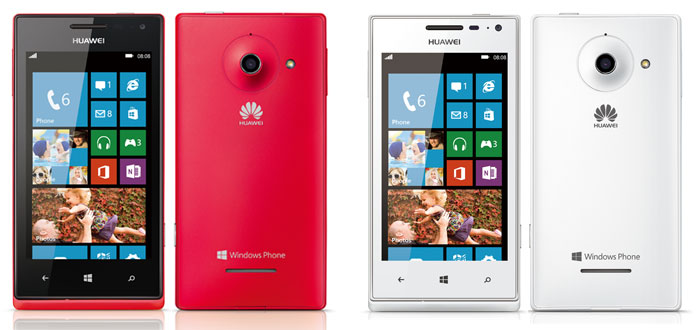
    All is not lost for Microsoft though as Chinese telecoms giant Hauwei launches a Windows Phone for the US markets which will be available through Walmart.

    Hauwei’s launch in the United States is not good news though for another failing incumbent – Nokia.

    Nokia’s relationship with Microsoft seems increasingly troubled and the Finnish company is struggling to retain leadership even in the emerging markets which until recently had been the only bright spot in the organisation’s global decline.

    Yesterday in India, Nokia launched a $99 smartphone to shore up its failing market position on the subcontinent.

    For the three months to March, Nokia had a 23 percent share of mobile phone sales in India, the world’s second-biggest cellular market by customers, Strategy Analytics estimates. Three years ago it controlled more than half the Indian market.

    India isn’t the only market where Nokia is threatened – in February Hauwei launched their 4Afrika Windows Phone aimed at phone users in Egypt, Nigeria, Kenya, Ivory Coast, Angola, Morocco and South Africa.

    The smartphone market is instructive on how many industries are changing, almost overnight the iPhone changed the cell phone sector and three years later Apple repeated the trick with the iPad, in both cases incumbents like Motorola, Nokia and Microsoft found themselves flat footed.

    As barriers are falling with cheaper manufacturing, faster prototyping and more accessible design tools, many other industries are facing the same disruption.

    The question for every incumbent should be where the next disruption is coming from.

    In fact, we all need to ask that question as those disruptions are changing our own jobs and communities.

    Similar posts: