Tag: Nokia

  • This is what happens when you rush things

    This is what happens when you rush things

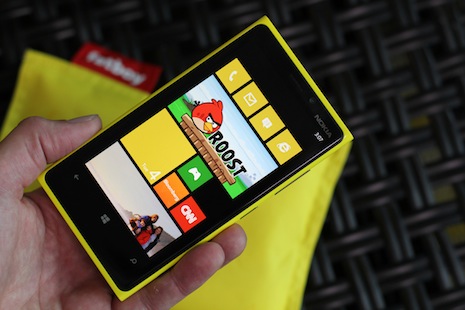
    Nokia are going to release a smartphone with the best camera seen so far on a mobile phone.

    Desperate for good news and positive coverage, Nokia decided to announce the Lumia 920 prematurely and their marketing people are forced to fake the videos and sample photos.

    Then they get caught.

    And instead of having the media fawning over the impressive features of the Lumia 920, Nokia are scorned. A particularly damaging thing in a fortnight where Amazon and Apple have major announcements.

    The problem is giving yourself artificial milestones that can’t be met. People take shortcuts to meet those deadlines and debacles like Nokia’s are the result.

    Artificial “drop dead dates” are the mark of panic by poor management. One wonders how long this can continue at Nokia.

    Similar posts:

  • Links of the day 15 May 2012

    Links of the day 15 May 2012

    Today’s links are another diverse bunch ranging from how Nokia can save itself, the compelling story of a US execution and how a Unicorn harpooned a whale.

    Russia Today’s Capital Account on JP Morgan’s “Unicorn Hedge” Fairytale Harpoons the London Whale.

    A powerful story from Al-Jazeera – An Anatomy of an American Execution.

    Giga Om looks at a cute way some online services are arbitraging how Facebook acts as a gatekeeper in displaying news. Only read this if you’re a serious search or social media geek.

    You know an online sensation is well past its peak when big business starts piling in – Amex sets up a Groupon competitor.

    Nokia’s Last Stand. Wired UK looks at how the former mobile phone giant can fight its way back to market leadership.

    Ad Age on why YouTube is deliberately reducing web page views.

    Canon Australia to stop publishing Recommended Retail Prices on their products. Is this an admission of an open market, or an effort to further muddy the retail waters?

    Twitter starts sending out summary emails of friends’ postings. Will this work to drive engagement and create much needed revenue for the sharing platform?

    Tomorrow, the blog will look at whether the London Olympics will really be a disaster and whether British business can capitalise on the event.

    Similar posts:

  • Locking in the mobile market

    Locking in the mobile market

    Mobile phone carrier Vodafone yesterday announced its purchase of Cable and Wireless, the company that rolled out the telegraph and phone networks that connected Britain’s empire.

    Vodafone’s purchase is one of the final phases of the telco industry’s long term restructure where customers – both home and business users – have switched from land lines to mobile devices.

    It’s long been acknowledged the profit in this market lies in devices and data usage which is why Cable and Wireless steadily declined over the past quarter century.

    While there’s good money to be made in running undersea cables, which is what C & W did, the big profit is in delivering the data over the “last mile” to the customer.

    For most customers, that last mile is the radius around a cellphone base station.

    In Australia, this is best illustrated by Telstra’s undisguised glee at being able to offload their legacy copper network and backbone services to the government owned National Broadband Network allowing the former land line monopoly to focus on the mobile, data customer.

    That data aspect is important too, one of the big changes in telecommunications over the last 25 years has been the rise of data.

    A quarter century ago, voice communications were the main traffic of these networks. For companies like Cable and Wireless, data was a profitable sideline with services like Telex and ISDN being lucrative business niches.

    Those rivers of gold distracted incumbent telcos in the early years of the public Internet as they tried to protect those expensive data plans and discouraged customers from using the net.

    Over time, a new breed of Internet Service Providers rose who could supply those data services customers wanted.

    Ironically, the same thing has happened with mobile phone manufacturers and the rise of the smartphone. Unlike the incumbent telcos, they haven’t adapted.

    The incumbents phone manufacturers like Nokia and Motorola missed the rise of data communications and the mobile web as the iPhone and Android devices delivered the portable utility that “dumb phones” couldn’t deliver.

    For Nokia, that miss appears fatal with the company rapidly running out of cash as their smartphone devices fail in the marketplace and margins collapse in the sectors they still dominate.

    Research In Motion – the manufacturers of the Blackberry phone – are in the same trap. While their devices were data orientated they were more akin to corporate “feature phones” where they did one or two things well but couldn’t deliver the full features mobile phone users increasingly wanted.

    The rise of the iPhone threatened Blackberry’s market and the arrival of the iPad with applications like Evernote killed most of the product’s demand.

    Blackberry and Nokia’s decline while companies like Telstra and Vodafone survive – not to mention massive profits of companies like Mexico’s Telefonica – illustrate the value of government licenses to telcos and the breathing space it gives the management of these licensees.

    We shouldn’t underestimate though the risks to all these businesses if they don’t adapt.

    Similar posts:

  • The high stakes of Lumia

    The high stakes of Lumia

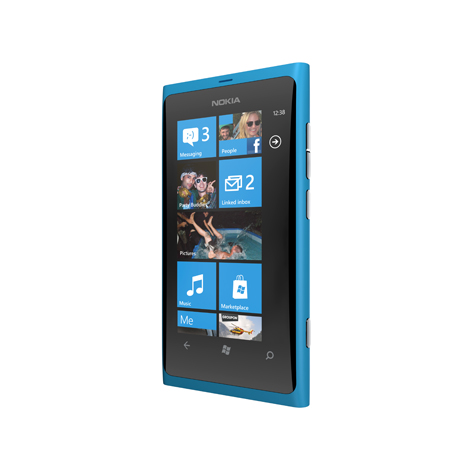
    Yesterday Nokia and Microsoft gave a preview of their upcoming Lumia 710 and 800 phones for the Australian market. It’s make or break time for both companies in the mobile space.

    The phone itself is quite nice – Windows Phone 7.5 runs quite fast with some nice features such as integrated messaging and coupled with good hardware it’s a nice experience. Those I know who use Windows Phones are quite happy with them (I’m an iPhone user myself).

    Whether its enough to displace the iPhone and the dozens of Android based handsets on a market where both Nokia and Microsoft have missed opportunities remains to be seen.

    The battle is going to be on a number of fronts – at the telco level, in the retail stores and, most importantly, with the perceptions of customers.

    Probably the biggest barrier with consumers is the perceived lack of apps, to overcome this Nokia have bundled in their Maps and Drive applications while Microsoft include their Mixed Radio streaming features along with Microsoft Office and XBox integration.

    As well the built in services, both parties are playing up their application partners with services like Pizza Hut, Fox Sports and cab service GoCatch. Although all of these are available on the other platforms.

    While application matter, the real battle for Nokia and Microsoft is going to be in the retail stores where the challenge shouldn’t be underestimated.

    Apple dominate the upper end of the smart phone market and Android is swamping the mid to low end. How Windows Phone devices fit remains to be seen.

    In Australia, if they going to find salvation it will be at the tender hands of the telco companies.

    The iPhone is constant source of irritation for the telcos as not only do Apple grab most of the profit, but they also “own” the customer.

    On the other hand, Android devices are irritating customers who are bewildered by the range of choices and frustrated by inconsistent updates that can leave them stranded with an outdated system.

    So the Windows Phone does have an opportunity in the marketplace although one suspects commissions and rebates will be the big driver in getting sales people at the retail coal face to recommend the Microsoft and Nokia alternatives.

    Overall though, it’s good to see a viable alternative on the market. For both Microsoft and Nokia the stakes are high with the Lumia range – it could be Nokia’s last shot – so they have plenty of incentives to get the product right.

    Microsoft has consistently missed the boat on mobile computing since Windows CE was launched in 1996 while Nokia were blind-sided by the launch of the iPhone in 2007 and have never really recovered.

    To make things worse for Nokia, the market for basic mobile phones where they still dominate is under threat from cheap Android based devices. So even the low margin, high volume market isn’t safe.

    For both, the Lumia range is critical. 2012 is going to be an interesting year in mobile.

    Similar posts: