Tag: PR

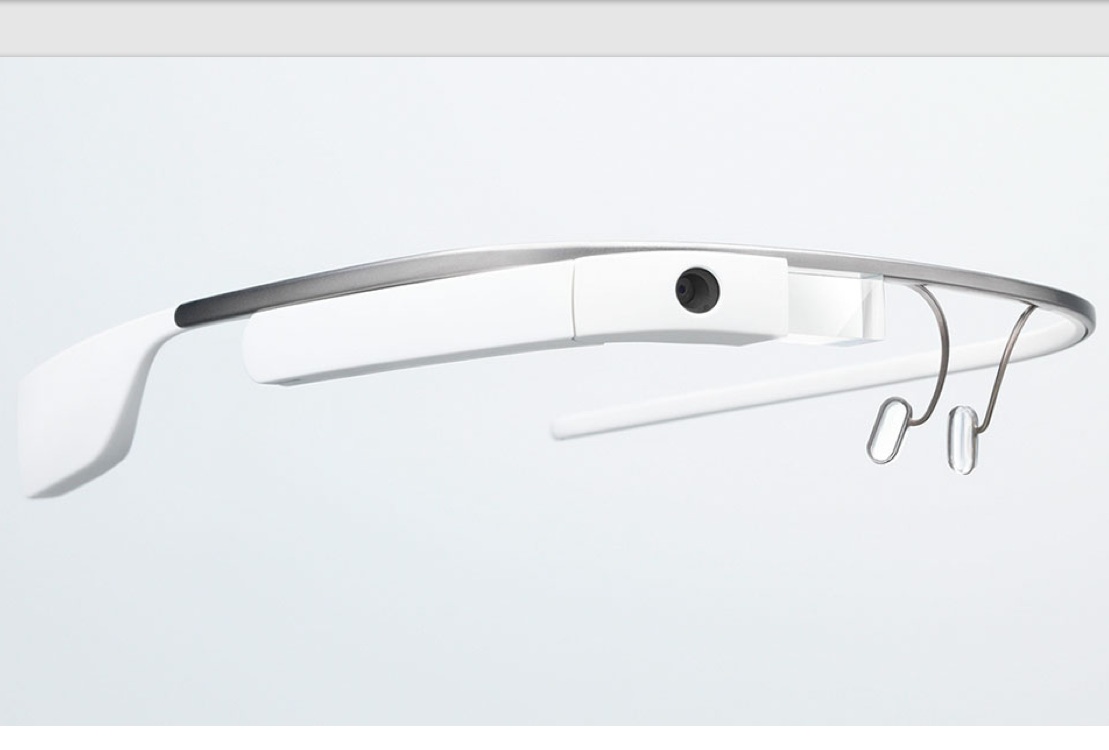
  • Falling out of love with Google Glass

    Falling out of love with Google Glass

    Media hype is normal in the tech industry, it’s common for a new product to receive swooning coverage in its early days but when the press falls out of love with a device, it can be a harsh breakup.

    Google Glass is suffering one of those harsh breakups with with writers and bloggers who were formerly gushing over the product now being publicly unimpressed with the product.

    First out the blocks was Wired’s Matt Honan who described his year as a ‘glasshole’.

    Honan is enthusiastic about the future of wearable devices but doesn’t see Google Glass as being ready for prime time.

    Which is to say, I’m really, really excited about where Glass is going. I’m less excited about where it is.

    Adding to the anti Google vibe was tech maven Robert Scoble who after his year of using the device decided it was too expensive and clumsy.

    Scoble’s point is the current generation of wearable tech is too clunky and user unfriendly to solve the problems it hopes to address.

    Daring Fireball’s John Gruber — who wasn’t one of those gushing over Google Glass — points out this is the exactly why Windows XP tablets were such a failure in the marketplace.

    Gruber also points out another similarity between Google Glass and Microsoft’s attempts at a tablet computer. Each company’s staff were reluctant to use them.

    When your own employees don’t use or support your product, the problem is with the product, not the employees.

    The eating your own dog food mantra cuts both ways; if your own staff find your products unattractive, then you can’t expect customers to warm to them.

    In some ways it’s ironic that Google are receiving press scorn as the company plays the tech media like a violin with privileged insiders getting early access to products create an aura of exclusivity.

    Glass was a classic example of this with a small group of tech journalists getting access to the product, unfortunately those insiders are turning out to be less than impressed.

    Even if it turns out the Google Glass is a failure, it will have been one of the company’s brave moon shots and no doubt what they’ve learned in usablity and mobile data will be very useful to other parts of the business.


    Similar posts:

    • No Related Posts
  • Chasing away the astroturfers

    Chasing away the astroturfers

    Yesterday we heard the collective gnashing of teeth as social media experts, lawyers and business owners complained about the Australian Advertising Standards Board’s ruling that companies are responsible for comments on their Facebook pages.

    The ASB ruling (PDF file) was a response to complaints that comments on Diageo’s Smirnoff Vodka page breached various industry codes of conducts and encouraged under age drinking.

    While the board found the complaints weren’t justified – something that most of the hysterical commentators overlooked – the ruling contained one paragraph that upset the social media experts and delighted the lawyers.

    The Board considered that the Facebook site of an advertiser is a marketing communication tool over which the advertiser has a reasonable degree of control and could be considered to draw the attention of a segment of the public to a product in a manner calculated to promote or oppose directly or indirectly that product. The Board determined that the provisions of the Code apply to an advertiser’s Facebook page. As a Facebook page can be used to engage with customers, the Board further considered that the Code applies to the content generated by the advertisers as well as material or comments posted by users or friends.

    The key phrase in that paragraph is “over which the advertiser has a reasonable degree of control”. Obviously someone posting on Twitter, their blog or someone else’s website is beyond the control of the advertiser.

    With Facebook comments, the onus is on businesses to make sure there is nothing illegal appearing on their streams and any misconceptions or false statements are answered.

    In many ways, this is common sense. Do you, as a manager or business owner, want your brands tarnished by idiots posting offensive or illegal content? Sensible businesses have already been dealing with this by deleting the really obnoxious stuff and politely replying to the more outrageous claims by Facebook friends.

    What’s more important with both the ASB ruling and the Allergy Pathways case the ruling relies upon make it clear that ‘astroturfing’ on social media sites won’t be tolerated.

    Astroturfing is the PR practice of creating fake groups that appear to support a cause or product. A group paid for by an interested party appears to grow naturally out of community interest or concern – a fake grassroots group so to speak and hence the word ‘Astroturf’ which is a brand of artificial grass.

    Organisations like property developers and mining companies have been setting up Facebook pages and websites that appear to be community groups supporting their projects and many smaller business have been inducing friends, relatives or contractors to post false testimonials. In the run up to major elections in 2012 and 13 we’re seeing many of these fake groups setup to push various political agendas.

    For a few consulting groups, astroturfing has become a nice line of business and those of us on the fringe of the social media community have been watching the development of ‘online advocacy services’ with interest.

    While no-one has claimed Allergy Pathways or Diageo were posting fake testimonials on their own Facebook pages, the rulings in both cases are a warning that the courts and regulators are prepared to deal with those getting clever with social media.

    For honest businesses this ruling is a non-issue, it’s timely reminder though that web and social media site are not ‘set and forget’ but need to be regularly checked, valid customer comments replied to and inappropriate content removed.

    The ASB ruling reaffirms what sensible social media experts have been advising all along, and that’s good news for them and their clients.

    Similar posts:

  • The Internet Kool-Aide Machine

    The Internet Kool-Aide Machine

    Every few months, the web lights up with hype about the latest technology or website. For a few weeks, every tech conversation mentions this hot new product.

    Almost always this hype is driven by the company in question duchessing a few key “opinion leaders” in the tech, social media or other circles. These folk start writing up this product and, if they are lucky, the stories get picked up by the broader media and the product becomes “hot.”

    The aim is to find the greater fools, for the investors and founders of these business they want to cash out by selling the operation to a bigger entity.

    When you read the hype about the latest user generated, online sharing social media service that’s growing at a remarkable rate be aware you’re actually seeing a pitch to a big company being framed along the lines that “you can’t afford to miss out.”

    By all means sign up to the service to have a look but don’t buy the hype and remember you’re not the customer – the gullible big business manager looking for the next big thing is.

    Image courtesy of Blary54 through sxh.hu

    Similar posts:

  • Why the Microsoft Faithful are wrong about Windows Phone

    Why the Microsoft Faithful are wrong about Windows Phone

    Late last year an event organiser recounted how she’d been told to only approaching Microsoft for event sponsorship if the occasion was related to mobile telephony as “all of our marketing budgets are focused on Windows Phone.”

    So it wasn’t a surprise to read at the beginning of this year that Microsoft were allocating $200 million for marketing Windows Phone in the US alone.*

    The Consumer Electronics Show is the high temple of tech journalism with thousands flying in from around the world to breathlessly report on the latest wide screen gizmo or mobile device

    At the 2010 show, 3D television was going to be the big consumer item while at the 2011 event it was going to be Android based tablets that were going to crush the Apple iPad.

    Despite the millions of words written and spoken about these products, both flopped. So it was no surprise we were going to see plenty of coverage of Microsoft given the budgets available and it being the last time Microsoft’s CEO, Steve Ballmer, would give the CES keynote.

    Microsoft’s CES publicity blitz kicked off with a rather strange profile of Microsoft’s CEO in BusinessWeek which if anything illustrated the isolation and other worldliness of the company’s senior management.

    The PR blitz worked though with Microsoft tying for first place in online mentions during the show according to the analytics company Simply Measured.

    After the show the PR love for Microsoft continues with Business Insider having a gorgeous piece about why Windows Phone will succeed and criticising tech blogger Robert Scoble’s view that the mobile market is all about the number of apps available.

    Scoble replied on his Google+ page explaining why apps do matter and adding that most of the people he meets hate Windows Phones, the latter point not being the most compelling argument.

    The most telling point of Scoble’s though is his quoting Skype’s CEO that they aren’t developing an app for Windows Phone as “the other platforms are more important, so he put his developers on those”.

    Microsoft spent 8.5 billion dollars buying Skype and intends to lay out over $200 million promoting Windows Phone. Surely there’s a few bucks somewhere in those numbers to pay for a few developers to get Skype functionality on the new platform.

    Since writing this, Robert Scoble has issued a correction from the Skype CEO stating a version is being built for the next version of Windows Phone

    The fact Microsoft can’t organise this seems to indicate not all senior executives share the vision for Windows Phone. It’s difficult to image Google or Apple having this sort of public dissent on a key product.

    Management issues aside, Microsoft’s real problem are they are late to the mobile party and don’t have anything to gain attention.

    There’s nothing wrong about being late to the party – Apple were late to enter the MP3 player, smart phone and tablet markets – but in each case they bought something new that changed the sector and eventually gave them leadership of each sector.

    With Windows Phone, there’s so far little evidence Microsoft are going to deliver anything radically new to the sector. With Apple’s iOS and Android dominating, it’s going to be a tough slog for Microsoft and they are going to have to have to carefully spend every cent of that big marketing budget.

    At least Microsoft’s PR team is doing a great job, the challenge is for the rest of the organisation to sell it as well.

    *As an aside, it’s interesting the author of that article about Microsoft’s marketing budgets boasts how he “been sitting on this information for weeks so that Microsoft can make its big announcement at CES this coming week”. It’s good to know where Paul Thurrott thinks his responsibilities lie – certainly not with his readers.

    Similar posts:

  • Spotting a security charlatan

    Spotting a security charlatan

    Google’s Open Source Programs Manager, Chris DiBona recently pointed out how IT security industry charlatans keep making false claims to push the sales of their software products and consulting services.

    “If you read an analyst report about ‘viruses’ infecting ios, android or rim,” says Chris,  “you now know that analyst firm is not honest and is staffed with charlatans. There is probably an exception, but extraordinary claims need extraordinary evidence.”

    Sadly, the computer press tends to accept these extraordinary claims at face value and allows the charlatans to repeat their snake oil pitches without subjecting them to critical analysis.

    Fortunately for those who care about the security of their home and business IT systems, there are ways to spot the charlatans and their dodgy wares.

    The Big Target theory

    When you read a claim that the Windows malware epidemic of the early 2000s was due to Microsoft being a big target as opposed to the tiny market shares of Apple and Linux, you can be sure they are the words of someone who is at best clueless selling a dubious product.

    This theory is nonsense, as I’ve explained previously, and anyone who genuinely believes this has no experience in dealing with the poorly secured operating systems that were Window98, Me and the early versions of XP.

    If you are confronted by somebody making this claim ask them why, now smartphones are outselling desktop computers, where is the widespread malware promised for mobile systems? It doesn’t exist for exactly the reasons Chris gives in his Google+ post.

    Real Soon Now

    The other key indicator is the “real soon now” claims – that a virus is about to burst onto the scene that will rub the smile off the face of smug Mac and Linux users.

    Invariably the hysterical headlines are backed up with claims, almost always taken from a vendor’s press release, that a security company’s researchers have identified a threat that is about exploit wilfully clueless users.

    Daring Fireball’s John Gruber has done an excellent job of dismantling this rubbish in his classic post “Wolf”.

    His post was provoked by the ‘news’ that a wave of Apple malware was on its way. That was six months ago and we’re waiting. John tracked similar stories back to 2004, none of which came to fruition.

    The modern snake oil men have an advantage in that tech journalists are desperate for page views and in many media organisations they no longer have the resources to critically analyse PR claims.

    Sadly there are real security issues that home and business users need to be aware of. Of course, much of the solution for this doesn’t sell dubious antivirus or expensive consulting services.

    In some respects, the proliferation of these stories is a reflection of the decline of the mainstream media business model.

    As more ‘news’ stories become lightly rewritten PR spin, the less readers take those outlets seriously and once trusted journals of record become little better than online gossip rags.

    Important issues, like information security, deserve more than repeating the lies of those who profit from fear, uncertainty and doubt.

    Similar posts: