Tag: retail

  • Politicians cannot save you

    Politicians cannot save you

    Around the world threatened incumbents are turning to their political cronies to protect them from competition with businesses using technologies their cosy managers and shareholders never envisaged would exist.

    In Australia, one of the laziest industries has been the retail sector. Long coddled by cosy duopolies and favourable regulatory arrangements, retailers ignored the changes to their markets since the web arrived in 1995.

    Of the Australian retail industry probably the most cosseted of all was the department store duopoly. Protected by their market share and product licensing agreements, Myer and David Jones neglected investments in their internal systems and largely ignored the online world, with DJs even shutting down their website in the early 2000s.

    Insular Australia

    Eventually it became obvious to even the most insular Australian retailer that the internet was here to stay however in the meantime canny Australian shoppers had discovered buying overseas online was substantially cheaper, and much easier, than local stores.

    Faced with offshore competitors that beat them on price, range and service, the Australian retailers started lobbying the Federal government to lower the threashold, currently $1000, that customs would take an interest in and add the ten percent Goods and Services Tax (GST) and various fees and duties. In the hope the bureaucracy would discourage local shoppers looking overseas.

    Mistaken lobbying

    The campaign to lower the GST threashold was a mistake says Ian Moir, the current Chairman of now South African owned David Jones. “It set Australian retailers back because they spent more time trying to persuade governments to do this than they did thinking about what the long term future for the business is.”

    Moir was speaking yesterday in Sydney at an Australian Israel Chamber of Commerce lunch panel titled ‘Reframing retail for the digital age: The importance of an integrated approach’. Joining the DJs executve on the board were Craig Dower, the CEO of Salmat and David Mustow, Head of Retail & Consumer at Macquarie Bank.

    The message from the lunch was clear – technology savvy customers were demanding more from retailers now smartphones are driving purchase decisions. “Everyone talks about Big Data and how you use it as an organisation,” observed Scottish born Moir. “Not enough people talk about the big data the customer has on their mobile phones.”

    Mobile first

    Moir’s view on mobile was endorsed by Macquarie’s Mustow who stated “if you’re investing in this space it’s mobile first.” Salmat’s Downer added to this with Salmat’s research that found 55% of online retail sales are coming through mobile devices.

    That Australian consumers have one the world’s highest smartphone penetration rates and are also among the planet’s most avid web user only shows how poorly local retailers have responded to the web and mobile devices over the past two decades.

    When Moir took the reigns at David Jones last August after Woolworths South Africa – unrelated to the local supermarket giant – the company was making a piddling one percent of its sales online. The new management has grown this three fold but it’s still trivial compared to Australians’ appetite for online shopping.

    Dampening overseas demand

    The appetite of overseas online sales will dampened should the proposed GST changes reducing the taxable threshold on imports to $20 be introduced as consumers deal with the bureaucracy, delays and costs of Australia’s dysfunctional customs system however Moir warns this will only be a temporary respite, “these changes only affect you in the short term, it tends to sort itself out over time.”

    Indeed for retailers, the GST changes will probably only benefit customs agents and bloated ticket clippers like Australia Post along with introducing a whole range of unexpected consequences as foreign retailers and local entrepreneurs find opportunities in the new tax regime.

    While the champagne may taste sweet for Australia’s retail lobbyists as they celebrate their likely win over brunch at Sydney’s exclusive Balmoral Beach Club this Sunday, their employers are going to find that swaying the politicians is the easy part – it’s ultimately the market that guarantees your success.

    Similar posts:

  • Dashing to the shops with the internet of things

    Dashing to the shops with the internet of things

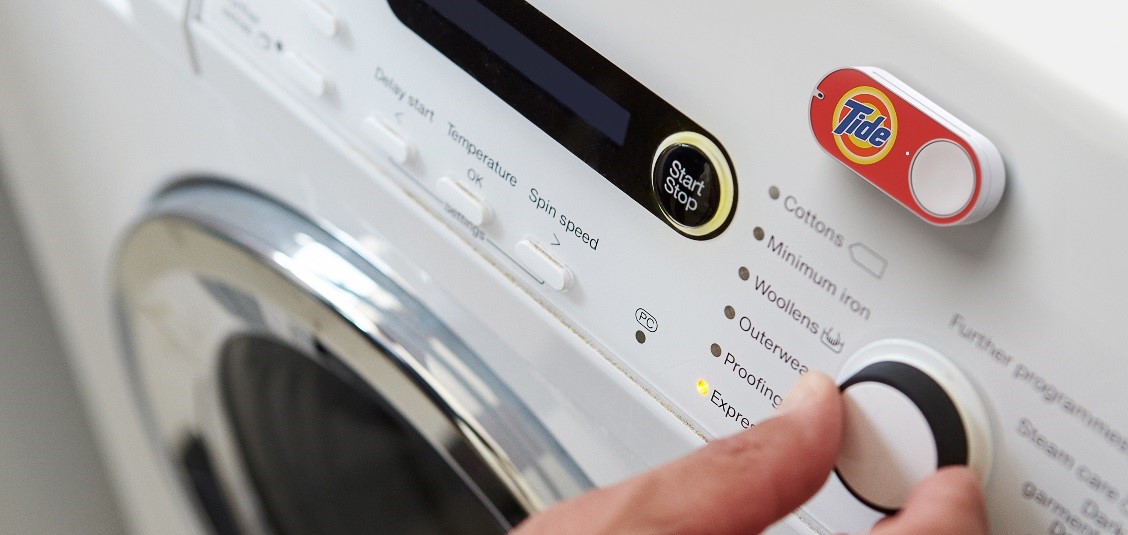
    Amazon this week showed off their Dash Button, a device that lets brands set up a one press ordering system for customers.

    The idea is that a brand, say a laundry detergent, gives out buttons that when pressed will automatically deliver washing powder or whatever product is preprogrammed into the device.

    While its safe to say Amazon’s Dash button is a gimmick, it’s not hard to see washing machines, coffee makers or industrial equipment that comes preprogrammed to automatically order supplies when it detects reserves are running low.

    So the Dash Button could be showing us how the Internet of Things will help us shop with smart devices automatically organising deliveries for us.

    On it’s own the Amazon Dash Button won’t be changing the way we shop but the future of retail is going to be very different as the IoT rolls out.

    Similar posts:

    • No Related Posts
  • A year of competing beacons

    A year of competing beacons

    It’s early in 2015 but year shaping up as being one where beacon technologies start rolling out in meaningful numbers as Facebook joins the rush.

    Beacons are, as name suggests, small radio devices that signal their location to smartphones and wearable computers. If someone has the right software on their system, the beacon can alert them about anything from shopping offers to the presence of hazardous material.

    The biggest potential market for beacons currently is the retail sector along with stadiums and concert venues although the industrial aspects shouldn’t be underestimated. Along with sports stadiums some of the more enthusiastic early adopters have been mall owners and local shopping strips as they see the opportunity of delivering more value to customers.

    A question facing retailers and shopping centre owners is whether we’ll see competing networks of beacons being deployed as Facebook, PayPal, Apple and dozens of other companies rollout their own technologies. We may end up with a situation where businesses get sick of being nagged to install multiple devices for their shops or workplaces.

    There’s also the problem of crosstalk as the different beacons interfere with each other. In places like shopping malls multiple transmitters could prove confusing for even the smartest smartphone.

    Again we’re seeing how silos are developing across the Internet of Things sector as vendors release products tied up in their own proprietary standards.

    As the cost of beacons has come down – many are available for under a dollar – the ability of vendors to offer networks has increased dramatically, over this year we can expect all the big players to release their own systems in attempt to control a slice of the market.

    For beacons to really succeed in the marketplace it’s going to be necessary for vendors to agree on common standards. If we end up with a rag-tag collection of competing networks, then the promise of the technology will surely be lost.

    Similar posts:

    • No Related Posts
  • Links of the day – Mind games, wine growers and the Naples mafia

    Links of the day – Mind games, wine growers and the Naples mafia

    Mind games, wine growers and the Naples mafia are among today’s links along with last person in Britain who lived under Queen Victoria passing away and a touching series of portraits showing the end of the film photography industry.

    Cutting out the middle man

    Reka Haros is a wine maker in Italy’s Venuto region. Like many small producers her winery struggles with distribution and sales in a crowded market. Reba’s solution of going direct to the customer is one that many businesses should be considering in a noisy world.

    Life in protection

    I don’t fear death, I fear being discredited. The story of Italian journalist Roberto Saviano and his eight years in protection after writing about the Naples mafia.

    Picturing the decline of film photography

    Canadian photographer Robert Burley travelled the world with his 4×5 field camera to document the end of analogue photography. It’s a poignant portrayal of how an entire industry comes to and with one technological change.

    Last of the Victorians

    Ethel Lang, the last surviving Briton to live under the reign of Queen Victoria, died last week at the age 114.

    Manufacturing false memories

    A frightening physiological experiment shows a cunning interviewer can convince most of us  we committed crimes which we are totally innocent of. This truly is a disturbing story.

    Similar posts:

    • No Related Posts
  • Links of the day – redesigning the car and South China Mall.

    Links of the day – redesigning the car and South China Mall.

    The CES extravaganza continues in Las Vegas with a wave of announcement, most of which I’m ignoring, however the motor industry continues to show off new developments with Mercedes displaying their vision of how a driverless car will look.

    Other interesting links today include an analysis of the ill fated South China Mall’s flaws and how Amazon is reorganising its R&D efforts after the failure of the Amazon Fire.

    Mercedes redesigns the car

    A little while back I suggested that we could do better in redesigning the driverless carMercedes have gone ahead and done it.

    Mercedes’ redesign of the driverless car indicates just what can be done when we rethink what passengers will need in the vehicles of the future.

    Ford recalls a vehicle for a UI upgrade

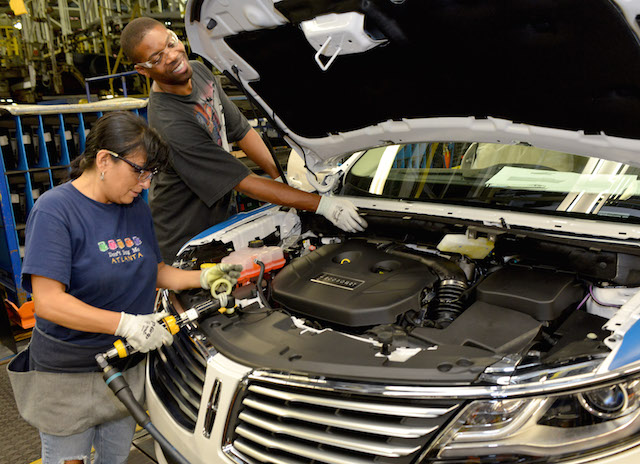
    Ford has recalled its Lincoln MKC SUV models for a software upgrade after discovering drivers were shutting down the cars by accident.

    What’s notable with this story is how software changes are now one of the main reasons for recalling vehicles and how design flaws in an automobile’s computer programs are relatively quickly discovered and resolved.

    We will probably find in the near future car manufacturers will carry out the upgrades remotely rather than ask owners to bring their vehicles into dealerships.

    A long running security flaw is exposed

    In August 2013 a security researcher warned UK online greeting card vendor Moonpig that its system exposed up to six million users’ account and financial details. Until Monday the company had ignored him. This is a tale of classic management disregard for customer security and one area where business culture needs to dramatically change.

    Rumours of an AOL – Verizon merger

    It’s a speculative story but if a merger between US telco Verizon and former internet giant AOL goes ahead it may mark another wave of telcos moving into content services, although it’s hard not to think that Verizon could spend its money more wisely.

    After a flop, Amazon restructures its R&D

    The Amazon Fire was by all measures a miserable flop as a smartphone however it seems the company learned some important lessons from the device’s market failures. Instead of abandoning its research efforts, the online behemoth is increasing it’s R&D budget and reorganising its development division.

    Design fails of the South China Mall

    South China Mall just south of Guangzhou has been the poster child of Chinese malinvestment during the nation’s current boom. In a blog post from 2011, a shopping mall expert visits the development and points out the major design faults in the complex which may well have doomed the project from the beginning.

    Similar posts:

    • No Related Posts