Tag: retail

  • Activating main street

    Activating main street

    The future of retail is being fought out on three fronts believes eBay’s Michael Camplin  — global, local, mobile and data.

    At eBay’s Commerce Innovation Showcase at its San Jose head office Champlin shows visiting partners, media and government officials part of the payments giant’s vision for that future.

    “It’s about connecting buyers and sellers across the globe,” says Champlin. “Local is important for us because even with the growth of the online ecommerce revolution that we’re in the middle of right now we still see 75% of commerce happens within fifty miles of the customer and 90% of that happens in bricks-and-mortar stores.”

    “So to be able to connect buyers and sellers in those local stores is a major push we have at eBay.”

    paypal-innovation-tour-003

    The first presentation in the tour demonstrates a day in the life of an eBay customer from the bedroom of a fictional customer, Reese McLaren, a funky young guy shopping for new equipment ahead of a camping trip. Champlin illustrates how Reese can order, pay and collect through a store’s integrated online service from his home.

    On the other side of the transactions, store employees use the PayPal apps like Red Lazer and Braintree to complete the order. A key part of that is using beacon technologies to log a customer into the store to alert staff that a customer has arrived to collect an order.

    paypal-innovation-tour-015

    At the next stage of the tour, we visit some demonstration stores; first we start with the Burger Bistro where eBay’s Eric Armstrong shows how restaurant’s point of sale system is integrated with PayPal services, showing waitstaff who is logged in through the company’s app.

    Integrating PayPal’s services into the establishment’s point of sale system means customers can order through the PayPal Wallet service and waitstaff know if a customer has paid through the app.

    paypal-innovation-tour-012

    The app also speeds up settling customers’ bills as diners can pay the check through their phone and not bother with using cash or swiping credit cards.

    One key point with PayPal Wallet is that users can enter any payment form that suits them and choose whichever option suits them at the time including direct bank transfers and credit cards.

    paypal-innovation-tour-006

    Another area that PayPal are pushing out are coupon offers. At present the company is subsidising them as they test how the services work. The objective is to offer a digital equivalent of everything people currently have in their wallets.

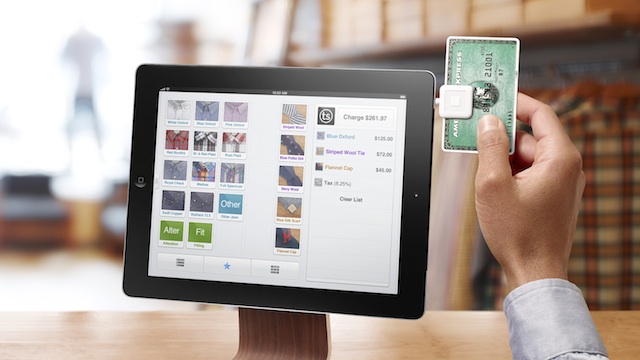
    For staff, eBay are offering the ability to bring your own device for point of sale systems with cloud base apps turning staffs’ tablets and smartphones into POS terminals.

    paypal-innovation-tour-028


    Tying into the Point of Sale capability is the PayPal Now service that allows establishments to swipe credit cards directly into the app through a dongle that reads the chip or stripe. Despite the rise of online payment services, swiping credit cards is still the main way US customers pay their bills.

    paypal-innovation-tour-031

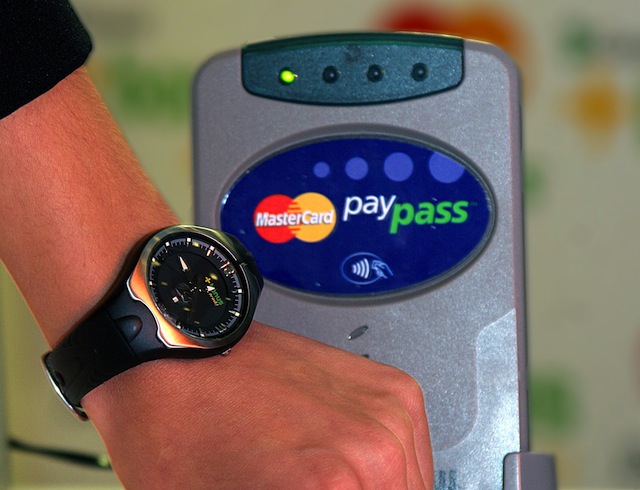
    Despite the continued popularity of credit cards, eBay are hoping to move customers over to the online services through ease of service; the one stop authentication service means customers are logged into the payment platform as soon as they check into a location.

    One area PayPal sees great opportunity in stadiums and major events where attendees automatically check in and can then access food and souvenir stands without having to re-authenticate or authorise each purchase they make.

    paypal-innovation-tour-039

    A key part of eBay’s retail strategy is the use of beacons to monitor customers entering establishments. The one illustrated is the PayPal beacon that was a limited release earlier this year. The device doesn’t have its own battery, instead relying on a USB socket for power.

    Two weeks after this tour Apple launched its Pay service with its range of integrated APIs to offer many of things shown in this showcase. eBay and its Braintree subsidiary was conspicuously missing from the listed partners.

    For PayPal and eBay the field has suddenly become more competitive, this is a sector that is now at the forefront of the battle between today’s internet empires.
    Similar posts:

    • No Related Posts
  • Changing the payments industry

    Changing the payments industry

    It didn’t take long for the effects of Apple’s payment service to be felt by the industry, within a day of the announcement Bloomberg reported Apple is negotiating with US banks to shift transaction fees from merchants.

    At the same time Bank Innovation reports the major credit card companies are considering changing the definition of ‘cardholder present’ rules which would make app based purchases cheaper.

    The changes Apple Pay is bringing in is part of a wider move to easier, frictionless commerce as Stripe co-founder John Collison discussed on this site last week.

    For the banks and credit card companies this means a very different operating environment. What was once a very profitable business is now changing rapidly and profits may not be so easy to come by.

    Similar posts:

  • Tipping and mobile payments

    Tipping and mobile payments

    This post is the second in a series of four sponsored stories brought to you by Nuffnang.

    During the recent switch over to chip and pin payments, many in the restaurant industry feared that tips would fall and waitstaff would lose jobs, the reality is somewhat different claims PayPal.

    Last week I had the opportunity to tour the PayPal Innovation Centre in San Jose where they showed off the work they are doing in the retail and hospitality industries to change payment systems.

    One of the products they showed was their Pay At Table app that integrates into a café or restaurant’s point of sale system and allows customers to pay their bills immediately.

    The immediate reaction to this has been resistance from restaurant managers who were worried customers to skip without paying. For waitstaff, the worry was they could be replaced by an app.

    It turns out the technology has had a different effect, the productivity of floor staff in the establishments where the app has been trialled has improved substantially.

    “In a typical café it takes around ten minutes to get the check,” says the lead demonstrator of the Innovation Center, Michael Chaplin. “We find that freeing waitstaff up to help customers and letting them pay their bills faster means everybody is happier.”

    With that ten minute per table improvement, management have found customers’ satisfaction has improved and the waitstaff have seen tips improve – partly because diners are happy and also because the tipping is integrated into the payment, calculating an appropriate gratuity is always a hassle in the United States.

    That ease of payment from mobile phone and table apps is rolling across industries, it’s not just limited to the hospitality sector. Increasingly these technologies are being used by tradespeople, retailers and across the service industries

    Increased productivity is more than just saving money and reducing staff numbers, it’s about giving the customer a more seamless and easy experience.

    All business need to think carefully about how they can use technology to improve their service and increase revenues.

    Similar posts:

    • No Related Posts
  • Rise and fall

    Rise and fall

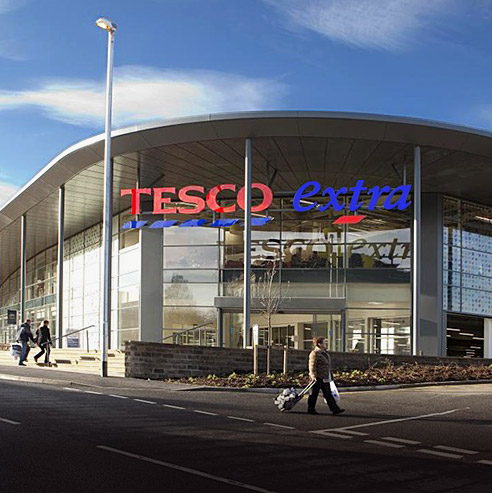
    Twenty years ago UK supermarket chain Tesco was an also ran.

    A decade ago it was the market leader.

    Today Tesco is in trouble again as low cost European competitors like Aldi and Lidl have chipped away the British majors’ market share.

    A few weeks later, Tesco shares plummeted on revelations the company’s profit guidance had been overtstated by 250 million pounds with the company’s chief executive Dave Lewis announcing several executives have been stood down as auditors investigate the descrepencies.

    Tesco is a very good example of how quickly how competitors can come from behind in today’s marketplaces; first Tesco itself during its 1990s rise and then its crash in recent years.

    We live in rapidly changing times. Incumbents and market leaders shouldn’t assume their positions are safe.

    Similar posts:

    • No Related Posts
  • Regent Street fights back

    Regent Street fights back

    Main street shopping strips have had a hard time over the past forty years as supermarkets and big box stores have steadily drained customers away, however the new wave of retail, manufacturing and logistics technologies may be an opportunity to revitalise them.

    A good example of shopping strips using new technologies is London’s Regent Street with its smart shopping app that integrates with iBeacon location devices,  the website Contactless Intelligence reports how shopkeepers, landlords and the local authorites are rolling out an initiative as part of a £1 billion regeneration project.

    London’s Regent Street is a fairly unique mainstreet in that it’s extremely upmarket which gives it a lot of advantages over most neighbourhoods, but it does point the way for how other shopping strips can use new technologies to reinvent themselves.

    Similar posts:

    • No Related Posts