Tag: robotics

  • The rise of the robots

    The rise of the robots

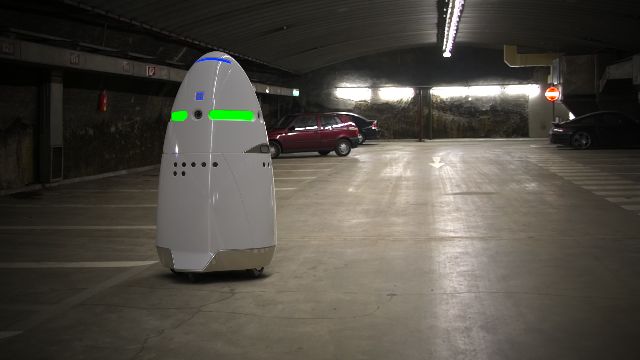
    One of the key themes of this site is how  industries and workplaces are changing, one good example of this is Knightscope’s K-5 robot, a refrigerator sized device that does many of the tasks currently done by human security guards.

    The K-5 comes with an impressive list of security features; live video,  facial recognition, behavioral analysis and a range of other tools to help organisations protect their premises.

    With an advertised running cost of $6.25 an hour, half the US mean average wage for security guards, the robots appear an attractive proposition although one suspects the limitations of the devices, not to mention the networking infrastructure involved, won’t make them feasible for most places in the near future.

    Despite its limitations, the K-5 shows the direction of robot technologies in replacing jobs that until recently were thought to be immune to automation. As the technologies inside the K-5 become smaller and lighter, future devices will become even more flexible and adaptable.

    Adding to the strengths of these autonomous devices is their constant connectivity, as the promotional video shows the robot uses cloud services to run its recognition and alarm services. Coupled with various sensors and beacons within a building, and these robot security guards become formidable devices.

    The applications for devices like the K-5 goes beyond patrolling shopping centres, car parks or industrial complexes; it’s not hard to see how similar devices can be deployed in applications like agriculture, mining or manufacturing for tasks where it would be expensive or dangerous to employ humans.

    What the K-5 illustrates Andrew McAfee’s warning of exponential technological change being about to engulf businesses, the employment implications of that should have community leaders thinking as well.

    For entrepreneurs, on the other hand, advances in robotics are another great opportunity.
    Similar posts:

  • Rethinking the middle class

    Rethinking the middle class

    Technologist Jaron Lanier says the internet has destroyed the middle classes.

    He’s probably right, a similar process that put a class of mill workers out of a job in the Eighteenth Century is at work across many industries today.

    Those loom workers in 18th Century Nottingham were the middle class of the day – wages were good and work was plentiful. Then technology took their jobs.

    Modern technology has taken the global economy through three waves of structural change over the past thirty years, the first wave was manufacturing moving from the first world to emerging economies as global logistic chains became more efficient.

    The second wave, which we’re midway through at the moment, is moving service industry jobs and middleman roles onto the net which destroys the basis of many local businesses.

    Many local service businesses thrived because they were the only print shop, secretarial service or lawyer in their town or suburb. The net has destroyed that model of scarcity.

    The creative classes – people like writers, photographers and musicians – are suffering from the samee changed economics of scarcity.

    Until now, occupations like manual trades such a builders, truckdrivers and plumbers were thought to be immune from the changes that are affecting many service industries.

    The third wave of change lead by robotics and automation will hurt many of those fields that were assumed to be immune to technological forces.

    One good example are Australia’s legendary $200,000 mining truck drivers. Almost all their jobs will be automated by the end of the decade. The days of of relatively unskilled workers making huge sums in the mines has almost certainly come to an end.

    So where will the jobs come from to replace those occupations we are losing? Finance writer John Mauldin believes the jobs will come, we just can’t see them right now.

    He’s almost certainly right – to the displaced loom worker or stagecoach driver it would have been difficult to see where the next wave of jobs would come from, but they did.

    But maybe we also have to change the definition of what is middle class and accept the late 20th Century idea of a plasma TV in every room of a six bedroom, dual car garage house in the suburbs was an historical aberration.

    Just like the loom weavers of the 18th Century, it could well be the middle class incomes of the post World War II west were a passing phase.

    If so, businesses and politicians who cater to the whims and the prejudices of the late Twentieth Century middle classes will find they have to change their message.

    Similar posts: