Tag: smartphones

  • Have the smartphone’s glory days come to an end?

    Have the smartphone’s glory days come to an end?

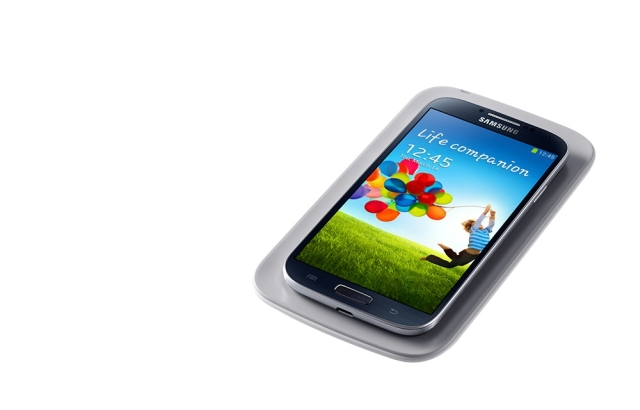
    Today smartphone manufacturers Samsung and HTC released their quarterly results with both reporting falling margins, does this mean the boom days of the smartphone have come to an end?

    As industry analyst Asymco reports, Apple are also suffering decline margins as component prices increase, ironically some of those parts come from Samsung.

    The question posed by Reuters in reporting Samsung’s decline  is ”has the smartphone business peaked?”

    It may well be that the glory days of the smartphone industry have come to an end as cheaper Chinese phones enter the market.

    Just as the PC industry is being disrupted after three decades of growth, could it be the smartphone sector is suffering a similar change after just seven years?

    Similar posts:

  • How form factors evolve as tech affects design

    How form factors evolve as tech affects design

    Technology often dictates design. As tech evolves, we can rethink the design of many things we take for granted.

    While out helping a friend shop for computers this morning, it occurred to me how the keyboards of laptop PCs have changed.

    For many years, notepad keyboards were restricted to roughly 80 characters as the 4 x 3 ratio of screens have dictated the dimensions of of the keys. Here’s an example.

     80-character-keybaord

    In recent times though the wider screen dimensions of laptops has seen the resurrection of an older layout — the 102 key layout with an added numerical pad.

     102-character-keyboard

    What’s interesting about this is how technology form factors evolve.

    Not so long ago mobile phone manufacturers were competing to create the smallest handset. Cellphones like the  Motorola Razr pushed the limit on how small phones could be.

    With the arrival of the smartphone, the size and shape of mobile phones changed. Now the limiting factor was a screen big enough to read the internet on and display a thirty key keyboard.

    Now reliable handwriting recognition software means that some phones can eliminate the use of keyboards at all, which means we may start to see the race to create smaller cellphones restarting.

    The layout of all of the items we use, from cars to computers, is largely determined by technology limitations. As the tech evolves, we can start to rethink how a device is designed, just as the laptop and iPhone designers did.

    With whole new display, input and sensing technologies being developed, there are many household items that may well look different in the near future.

    Similar posts:

  • Disrupting the incumbents

    Disrupting the incumbents

    One of the truisms of modern business is that no incumbent is safe, Microsoft, Nokia and Hauwei are good examples of just how businesses that five years ago dominated their industries are now struggling with changed marketplaces.

    In the last two days there’s been a number of stories on how the smartphone and computer markets are changing.

    According to the Wall Street Journal’s tech blog, PC manufacturers are hoping Microsoft’s changes to Windows 8 reinvigorates the computer market.

    Those hopes are desperate and somewhat touching in the face of a structural shift in the marketplace. These big vendors can wait for the Big White Hope to arrive but really they have only themselves to blame for their constant mis-steps in the tablet and smartphone markets.

    Now they are left behind as more nimble competitors like Apple, Samsung and the rising wave of Chinese manufacturers deliver the products consumers want.

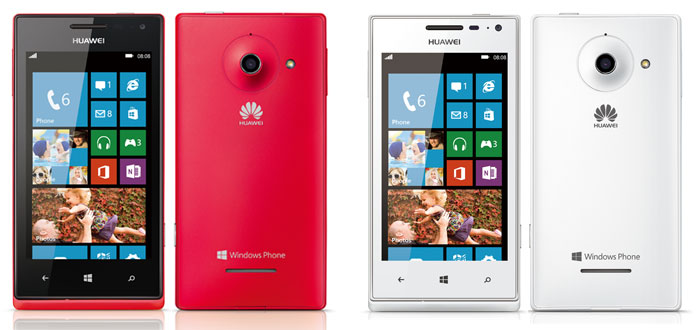
    All is not lost for Microsoft though as Chinese telecoms giant Hauwei launches a Windows Phone for the US markets which will be available through Walmart.

    Hauwei’s launch in the United States is not good news though for another failing incumbent – Nokia.

    Nokia’s relationship with Microsoft seems increasingly troubled and the Finnish company is struggling to retain leadership even in the emerging markets which until recently had been the only bright spot in the organisation’s global decline.

    Yesterday in India, Nokia launched a $99 smartphone to shore up its failing market position on the subcontinent.

    For the three months to March, Nokia had a 23 percent share of mobile phone sales in India, the world’s second-biggest cellular market by customers, Strategy Analytics estimates. Three years ago it controlled more than half the Indian market.

    India isn’t the only market where Nokia is threatened – in February Hauwei launched their 4Afrika Windows Phone aimed at phone users in Egypt, Nigeria, Kenya, Ivory Coast, Angola, Morocco and South Africa.

    The smartphone market is instructive on how many industries are changing, almost overnight the iPhone changed the cell phone sector and three years later Apple repeated the trick with the iPad, in both cases incumbents like Motorola, Nokia and Microsoft found themselves flat footed.

    As barriers are falling with cheaper manufacturing, faster prototyping and more accessible design tools, many other industries are facing the same disruption.

    The question for every incumbent should be where the next disruption is coming from.

    In fact, we all need to ask that question as those disruptions are changing our own jobs and communities.

    Similar posts:

  • Three screens, one screen

    Three screens, one screen

    One of the points that came out of Blackberry’s Z10 launch last week was CEO Thorsten Heins’ talking about the company’s ‘one screen’ strategy.

    Blackberry sees the smartphone as being the centre of people’s computer usage with them replacing personal computers and tablets as the main computing tool.

    This is at odds with the rest of the phone and computer industries who are struggling with managing the three or four devices that most people use.

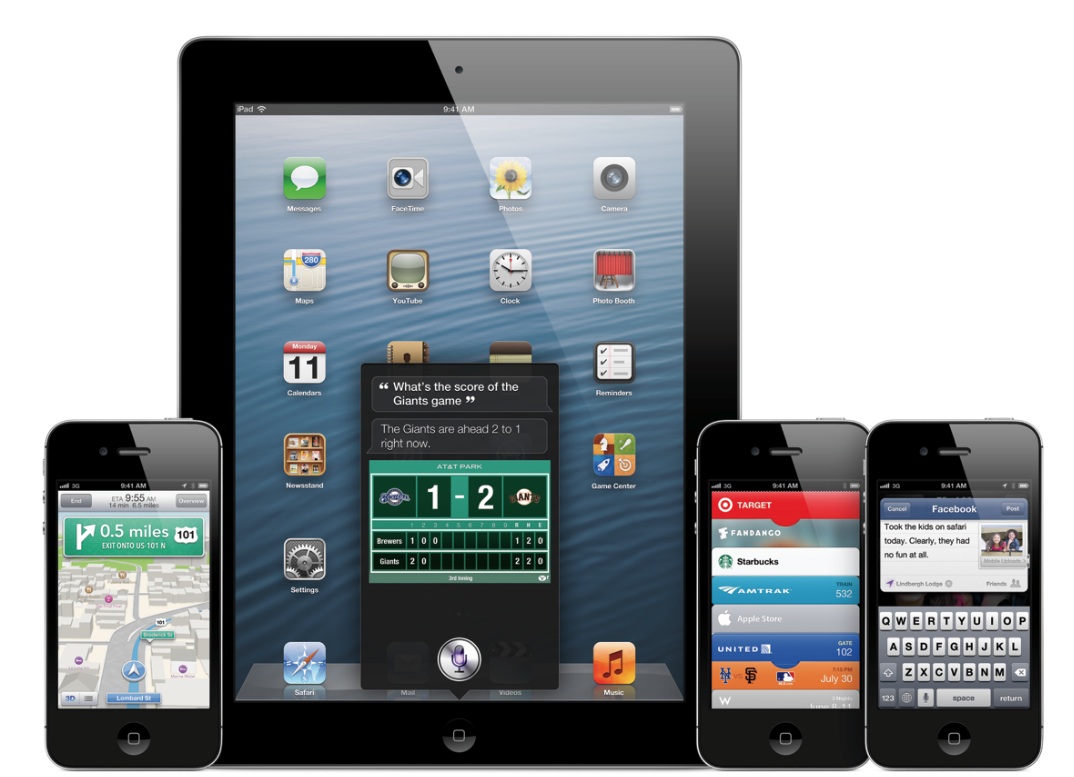
    Apple overcame this by having different operating systems – OS X and iOS – and even then the mobile iOS is subtly forked for the different ways people use tablets versus  smartphones.

    With Windows 8, Microsoft chose to go the opposite way with an operating system which works on all devices. Sadly it doesn’t seem to have worked.

    Blackberry’s strategy is to assume smartphones will be their main communications device. It’s a big bet which doesn’t align with what seems to be experience of most people.

    Over the last few years Blackberry’s smartphone market share has collapsed from 40% to 4%, so it’s the time for brave bets although its hard to see that customers will use smartphones instead of PCs or tablets is the right call.

    It’s an interesting question though – can you see your smartphone being your main computer?

    Similar posts:

  • The Five Stages of abandoning a product

    The Five Stages of abandoning a product

    Killing a technology product is never a clean process, as Google well know. Microsoft show the way to deal with a failed project and we’re seeing their five stages of abandoning a product as they prepare to retire Windows 8.

    The stages of Microsoft are abandoning a product are well known – the failure of Microsoft Vista is the best example, but not the only one.

    As Microsoft smooths Window 8’s pillow and prepares for its imminent demise we can see the process at work.

    Denial

    At first the company denies there is a problem, the flashy advertising campaigns are boosted and the various ‘in the camp’ commentators get informal briefings from company evangelists to fuel their snarky columns about people getting Microsoft’s latest product all wrong.

    This usually goes on for around six months until the market feedback that the product is dog becomes overwhelming – usually this happens at the same time the first reliable sales figures start appearing.

    Anger

    As the consensus in the broader community becomes settled that the new product isn’t good, the company’s tame commentators turn nasty and lash out at the critics for ‘misrepresenting’ the new product.

    This is usually a touchy period for Microsoft and other vendors as they can’t risk being too aggressive but they have to allow their allies to both let off steam and try to recover the credibility they lost in hyping what’s clearly been a market failure.

    Bargaining

    Once it’s clear the perceived wisdom that the product isn’t very good isn’t going to be shaken, the vendor comes out with special offers and pricing changes to try and coax users over to the new service.

    With Windows 8 Microsoft tried something unusual, rather than cutting prices, Microsoft announced they would increase the cost of Windows 8.

    The idea was probably to panic people into buying the product and giving Microsoft a revenue and market share bounce for the quarter.

    It didn’t work – the consensus that Windows 7 is a better product meant people stayed away.

    Depression

    As the realisation that pricing tweaks and promotional stunts won’t work sends the company, and its supporters, into a funk.

    For experienced industry watchers, the silence around a product that’s been heavily hyped and defended for the previous year or two is a good indication that the next version is being accelerated.

    Acceptance

    Eventually the vendor accepts the product has failed and starts working on its own exit strategy – hopefully one that doesn’t see too many executives sacked.

    With Microsoft’s this process starts with a quiet announcement that the replacement version of Windows is on the way, in this case Windows Blue.

    At the same time, the tame commentators start talking about ‘leaks’ of the wonderful new system that is in the pipeline. Early beta versions of the new product start popping up in developers’ forums and file sharing sites.

    Eventually you get stories like this one that appeared in The Verge yesterday – Windows Blue leaks online and we can be sure the Microsoft public relations machine has subtly moved onto the next version.

    Vale Windows 8

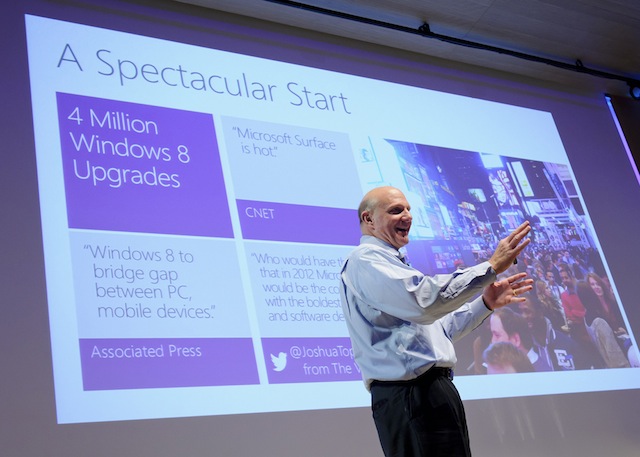
    So Windows 8 is coming to an early end. In one way this is a shame as it was a brave gamble by Steve Ballmer and his team to solve the ‘three screen’ problem.

    Computer users today are using three or more screens or devices – a desktop, a smartphone and a TV or tablet computer.

    Microsoft were hoping they could develop a system that unified all these platforms and gave users a common experience regardless of what they were using.

    It appears to have failed, probably because the different devices don’t have the same user experience so a keyboard based system doesn’t work on a touchscreen while a touch based system sucks really badly on a desktop or laptop computer – which is Windows 8’s real problem.

    Unrealistic expectations

    Another problem for Microsoft were the unrealistic expectations that Window 8 would halt the slide of personal computer sales.

    PC manufacturers have been baffled by the rise of smartphones and tablet computers – vendors like Dell, HP and Acer have miserably in moving into the new product lines and they hoped that Microsoft could help arrest their market declines.

    This was asking too much of Windows 8 and was never really likely.

    So the cycle begins again with Windows Blue, the question is whether it will be the last version of Windows as we move further in the post-PC era.

    Similar posts: