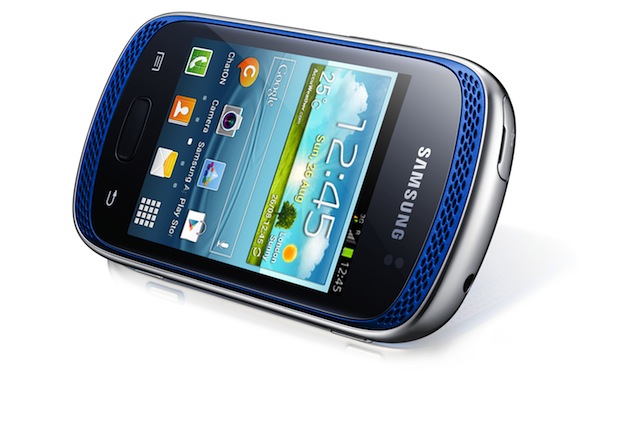
Tag: smartphones

  • Smartphones become a mature market

    Smartphones become a mature market

    As Apple celebrates shipping a billion iPhones, the smartphone industry has entered maturity reports IDC.

    The analyst firm’s latest survey of the global smartphone industry reports only 0.3% growth over the equivalent period of last year.

    While both Apple and Samsung have had successes over the past year with new models, IDC believes growth now lies in shifting ‘flagship products’ at lower price points with enhanced features.

    A more mature industry opens opportunities for the cheaper Chinese brands and IDC is finding those companies are unsurprisingly proving successful in emerging markets. For the established brands redefining their price points and models is going to be the challenge.

    That mature marketplace is going to focus the minds of product managers, marketers and executives at all the manufacturers as capturing profit and investors’ imaginations in a mature market is very different to that when selling a new, high growth product.
    Similar posts:

    • No Related Posts
  • Lenovo and the hunt for profitable smartphone markets

    Lenovo and the hunt for profitable smartphone markets

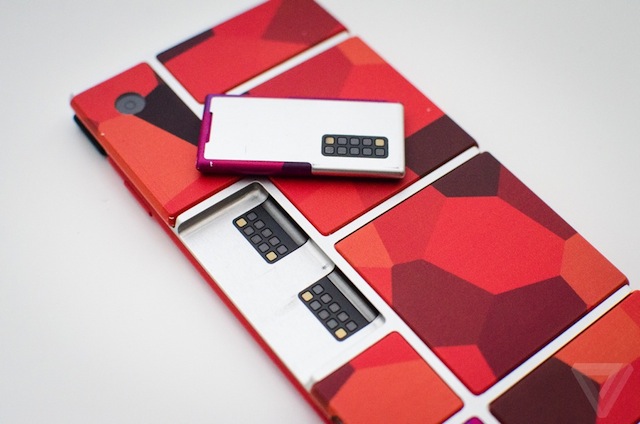
    With Google’s Project Ara seemingly stalled, it was interesting to see Lenovo announce the Moto Z modular phone this week.

    The question remains though whether this concept is a solution looking for a problem however if Lenovo open the device up to third party accessory makers, we could see a surge of innovation similar to the ‘plug compatible’ IBM days which may drive consumer interest.

    Lenovo is still struggling to find its feet in the mobile phone market, so finding a compelling product to drive sales and improve margins in a largely unprofitable industry is a priority.

    It may be the other smartphone announced by Lenovo in San Francisco, the clumsily named Phab 2 Pro, could be where the manufacturer finds its niche with Google’s Project Tango 3D sensing technologies.

    The Phab 2 Pro’s 3D capability may be the beginning of accessible virtual and augmented reality systems however hands on reviews of the device indicate it may be some way from being ready for public release.

    Lenovo’s announcements show how the smartphone markets is currently in a state of transition as vendors try to find the next new profit and growth centres. To complicate matters, all the Android manufacturers are waiting to see what Apple’s next move will be.


    Similar posts:

    • No Related Posts
  • Goodbye Moto

    Goodbye Moto

    It appears faded mobile phone brand Motorola has proved disappointing for Chinese computer giant Lenovo reports TechCrunch.

    For Lenovo, this is concern as the company explores ways to diversify away from the shrinking PC and tablet marketplaces although the smartphone market which itself suffers from poor  margins doesn’t seem to be the opportunity the company is looking for.

    It does however show that Google is often right in casting off companies it doesn’t see a future in.

    Similar posts:

    • No Related Posts
  • Building the internet of rice cookers

    Building the internet of rice cookers

    Are domestic appliances the next wave of connected devices? Chinese smartphone manufacturer Xiaomi hopes so.

    Xiaomi is best known for its cheap smartphones aimed at third world markets and the company’s move into connected kitchen devices marks an expansion into broader areas.

    Smartphones being the centre of Xiaomi’s product offerings seems to be the common factor in the expanded range of devices, with the company hoping their ecosystem will be a compelling point of difference in a crowded market.

    The idea the smartphone will be the centre of people’s connected lifestyles isn’t new but Xiaomi’s bet on low margin home appliances to drive smartphone sales and subscriptions to cloud services seems a brave move.

    It may work however, the business models of tomorrow look improbable today.


    Similar posts:

    • No Related Posts
  • The sensor in your pocket

    The sensor in your pocket

    Very soon your smartphone will be able to warn you if you’re driving too fast reports VentureBeat.

    Israeli founded and Google owned traffic application Wayze will soon give alerts to users in certain countries if they’re over the speed limit, the service announced yesterday.

    Wayze is unique in that it’s one of the first genuine crowdsourcing programs where users contributed information on traffic conditions and it’s doing the same thing in gathering speed limit information.

    The fascinating thing about Wayze is how it brings together crowdsourcing, cloud and smartphone GPS services to create a useful product.

    Wayze also shows how the smartphone is the ultimate personal Internet of Things sensor, that’s something which shouldn’t be overlooked.

    Similar posts:

    • No Related Posts