Tag: smartphones

  • The end of HTML 5?

    The end of HTML 5?

    One of the big debates in web design since the rise of smartphone apps has been the question of ‘going native’ or following web standards.

    In an ideal world, all apps would follow the HTML web standards so designers would only have to create one app that would run on any device — a smartphone, tablet or PC — regardless of what type of software it was running.

    However the HTML 5 standard has proved problematic as developers have found applications written in the language are slow with limited features, so the attraction of writing ‘native’ apps that are designed for each system remains strong as users get a faster, better experience.

    The problem with that approach is that it results in having to design for different operating systems and various devices which is costly and adds complexity.

    For the last two years at Dreamforce, Salesforce CEO Marc Benioff has trumpeted the advantages of the company’s HTML5 Touch product.

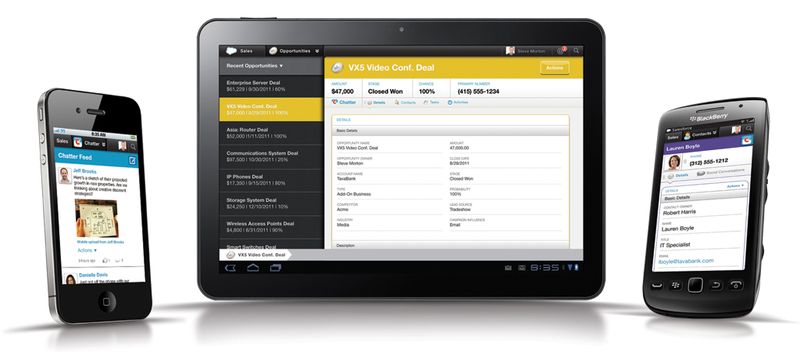
    This year Benioff unveiled the company’s Salesforce One product — a suite of Application Program Interfaces (APIs) that simplifies building smartphone and web apps. At the media conference after the launch, Benioff even went as far to describe the once lauded Touch product as a “mistake”.

    So Salesforce has abandoned HTML5, which is a blow for standard applications.

    If others follow Salesforce, and it appears that is the trend, then we’ll increasingly see the smartphone industry dominated by iOS and Android as most companies lack the resources or commitment to develop for more than two platforms and their form factors.

    Open standards have been one of the driving factors of the web’s success, it would be a shame if we saw the mobile market split into two warring camps reminiscent of the VHS and Beta video tape days.
    Similar posts:

    • No Related Posts
  • Building tomorrow’s markets

    Building tomorrow’s markets

    “If I’d asked my customers we’d have built a faster horse,” is a quotation often attributed, probably incorrectly, to Henry Ford.

    The point of the quote is that asking today’s customers about tomorrow’s market is pretty pointless when new products change consumer behaviour.

    Just as the farmer of 1906 had no inkling of how the motor car, truck and tractor would change their business, the cellphone user of 2006 had no idea of how the iPhone would change the way they used a phone and communicated with the world.

    Which brings us to Nokia.

    The Sami Consulting blog discusses how Nokia lost their lead in the cellphone business as the market migrated the Apple and later Android smartphones.

    Nokia’s problem was they spoke to their customers about their existing mobile phone use rather than considered how the technology might evolve.

    When the inventors of the touchscreen approached Nokia, the company carefully evaluated the technology, consulted their customers and decided it wouldn’t work for their products.

    What does this story tell about foresight?  First, it shows that innovation creates futures that are fundamentally unpredictable. We do not have facts or data about things that do not exist yet.  When a mobile phone becomes an internet device with sensors, touch screens, and broadband access, it becomes a new thing.  If you ask your existing customers what they like, the answer will always be about incremental improvements.  When you ask about the future, the answer will always be about history.

    In many ways Nokia were the beneficiaries of a transition effect, they took advantage of a brief period of technological change  and were caught flat footed when the technologies evolved further.

    To be fair, it’s hard to see that change when you’re focused on incremental improvements.

    The motor car turned out to define the Twentieth Century – even Henry Ford couldn’t have foreseen how the automobile would change society and the design of our communities.

    Both the motor industry and smartphone industries are going through major change, particularly as the internet of everything sees the two technologies coming together.

    One thing is for sure, how we use our phones and cars over the next fifty years will be very different to how we use them today.

    Similar posts:

    • No Related Posts
  • Today marks a moment of reinvention

    Today marks a moment of reinvention

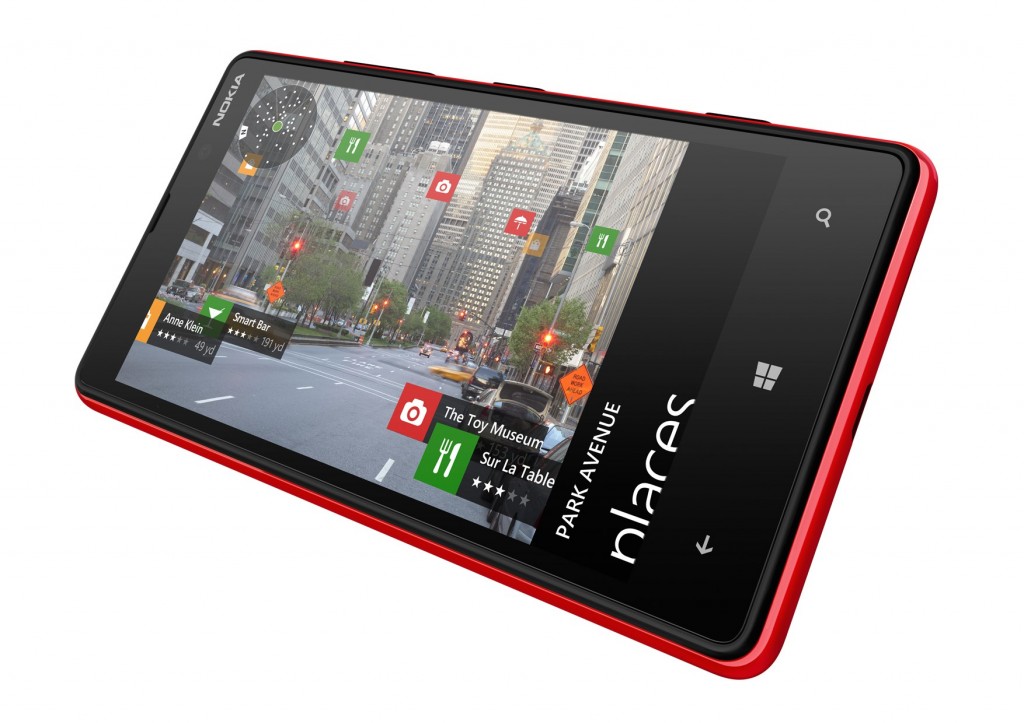
    In announcing the company will acquire Nokia’s mobile and devices business, Microsoft said “Today marks a moment of reinvention”.

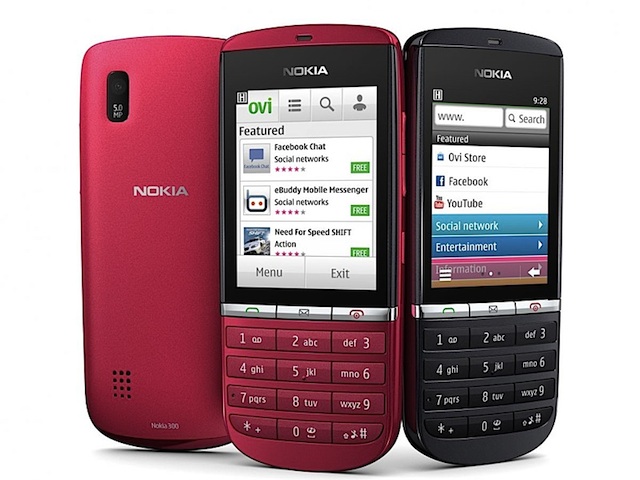
    This is certainly true, with the retirement of Steve Ballmer, Microsoft officially enters the post Bill Gates era and today’s announcement is an admission from Nokia that their moment as the world’s dominant mobile phone manufacturer is over.

    What’s notable about the deal is what Microsoft doesn’t get — particularly Nokia’s maps service. While Microsoft gets a license to use Nokia’s mapping services, it leaves the Finnish company with a valuable asset and possibly leaves it as the only company capable of competing with Google in that market.

    For Microsoft, acquiring the expertise of Nokia’s engineers shouldn’t be understated, although integrating 32,000 Nokia employees will test Microsoft’s management as this increases their workforce by a third.

    Possibly the most fascinating part of Microsoft’s announcement though is the comment in the second paragraph of their media release.

    Microsoft will draw upon its overseas cash resources to fund the transaction.

    US technology companies have been struggling to deal with the massive profits they have accumulated offshore as part of their tax minimalisation strategy. What we may now be seeing is a wave of foreign takeovers as American companies start to reduce their offshore cash stashes without incurring domestic tax bills.

    If that’s true, Microsoft’s agreement with Nokia may well indicate we’re about to see many more takeovers around the world .

    Regardless of what it means for the wider industry, both Microsoft and Nokia have entered fundamentally different phases of their businesses.

    Similar posts:

  • Could advertising have saved Blackberry?

    Could advertising have saved Blackberry?

    Could advertising have saved Blackberry wonders Joyce Yip on the Marketing Interactive site.

    Yip cites Samsung’s blanket advertising as one of the reason’s for the Korean brand’s success while Blackberry could only afford a token presence for the new Z10 phone.

    While there’s no doubt Samsung and Apple’s marketing muscle has helped them dominate the smartphone market, advertising alone doesn’t explain the dominant brands’ success.

    Blackberry was doomed from the moment a business friendly smartphone was released, no-one expected it at the time but it turned out to be the iPhone.

    Compared to the iPhone, the Blackberry was woefully underfeatured and once corporate users discovered email wasn’t the only use for a smartphone, the Canadian company’s fate was sealed.

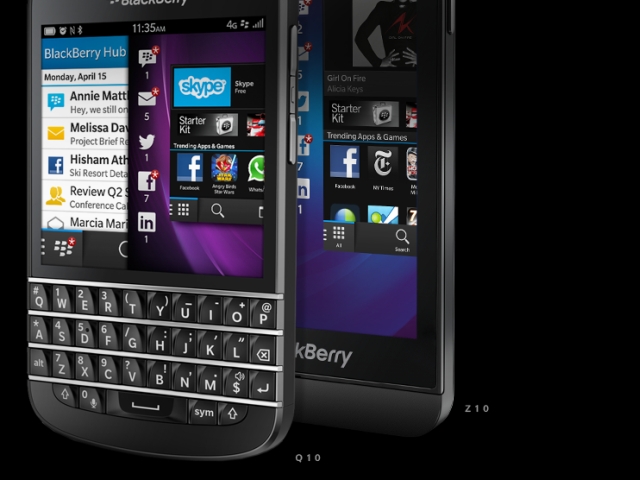
    While the Z10 and Q10 phones were well featured devices, they are way too late for a market where Apple and Samsung have most of the sales and take all the profit.

    It’s tempting to think advertising and marketing may have saved Blackberry, but the company was overtaken by a fundamental market change which left it stranded.

    For a while in the late 2000s Blackberry looked untouchable in the corporate market and no-one would have expected Samsung and Apple to disrupt their position. That’s the real lesson Blackberry teaches us.

    Similar posts:

  • Five years of the app store

    Five years of the app store

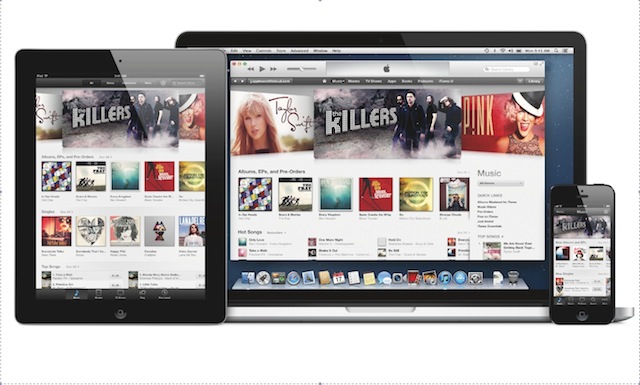
    It’s been five years that the Apple App Store has been open for business. in that time they’ve revolutionised the smartphone industry, reinvented the tablet computer and had fifty billion downloads.

    While the App Store wasn’t an original idea, plenty of telcos and handset manufacturers, had them, Apple were the first to get the formula right for the iPhone.

    Their success in changing the smartphone industry lead to their dominance of the tablet industry, another sector which had settled incumbents who were disrupted by Apple’s entry into the market.

    It’s notable how in both the smartphone and tablet markets, the established incumbents were struggling with the same business model that Apple got right. This is something other industries should pay attention to.

    Similar posts: