Author: Paul Wallbank

  • Security and convenience

    Security and convenience

    “Your security advice is too difficult, I don’t want to log in when I start my computer or have to mess around when I have to install new software,” a lady told me on the weekend.

    Security is always inconvenient. It would be far more convenient if car doors weren’t locked and starting them was a matter of flicking a switch.

    Of course we know if that was the case, most cars would be stolen within hours of buying them.

    We accept the inconvenience of car keys because we know the cost of having a vehicle stolen is way higher than the occasional frantic search for lost car keys.

    Right now we don’t value our data, computers or smartphones the same way.

    This is changing and as we start using our phones as electronic wallets we’ll start valuing our passwords and online security more than our car keys.


    Similar posts:

  • ABC Weekend computers: Vibrating tattoos and implantable computers

    ABC Weekend computers: Vibrating tattoos and implantable computers

    On ABC 702 Sydney Weekend computers this Sunday, May 19 from 10.15am Paul Wallbank and Angela Catterns will be looking at wearable tech.

    Nokia recently filed a patent for vibrating cloth patches or tattoos that will be able to communicate with your phone. Every time you receive a text message, your tramp stamp will wobble.

    The idea of vibrating tattoos is pretty simple compared to some of the advances we’re seeing in nanotechnology and miniaturising computers.

    We’re already used to the “bionic ears” such as those made by Cochlear and scientists are now developing computers that can be implanted in patients’ eyes to monitor conditions like glaucoma.

    Listeners questions

    As usual we had a range of listeners calling in about computer issues. Here’s some of those we said we’d get back to;

    Safari tool bars

    Margaret called about websites being listed across the top of her Safari browser.

    To get rid of these, click View in Safari and then take the tick off Hide Bookmarks Bar.

    As a later caller suggested, it’s worthwhile making sure websites aren’t starting with the browser, you can fix that in Safari by clicking Safari, Preferences, General and making sure a new window  is selected for what to do when the browser is opened.

    More Safari Blues

    Jarrod also reported problems with Safari, being unable to open pages from his telco. This is probably due to Javascript being disabled.

    To fix this, in the Safari preferences we describe above, click on security and tick the box saying enable javascript.

    Anti virus programs

    We always have a caller asking about antivirus, Steve asked about antivirus on Windows Vista.

    For most windows users, the free Microsoft Security Essentials is probably the best, and simplest, solution.

    We love to hear from listeners about how tech is changing their lives so feel free call in with your questions or comments on 1300 222 702 or text on 19922702.

    If you’re on Twitter you can tweet 702 Sydney on @702sydney and Paul at @paulwallbank.

    Should you not be in the Sydney area, you can stream the broadcast through the 702 Sydney website and call in anyway.

    Similar posts:

  • Now Facebook’s challenges really begin

    Now Facebook’s challenges really begin

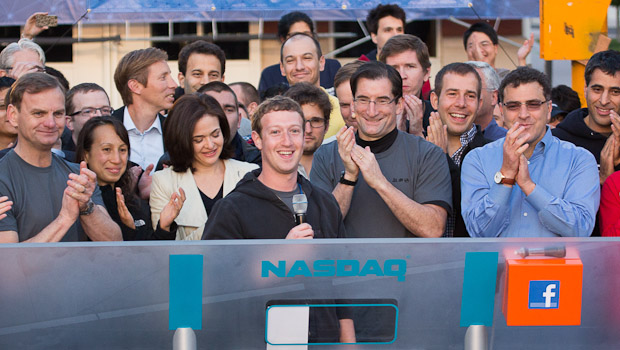
    The long awaited float yesterday of social media service Facebook was a triumph for the business’ founder Mark Zuckerberg, his management team and advisors.

    A market valuation of 100 billion dollars for a business started less than ten years ago is an impressive achievement and that sum now presents massive challenges for management who have to deliver on what investors believe the service is capable of.

    At US$38 a share, Facebook is valued at 76 times its projected 2012 earnings of 50 cents a share, and nearly twenty times its expected revenues of US$5 billion. This compares to Google which trades at less than 15 times its 2012 profit estimate and six times revenue.

    For Facebook to match Google’s value, the social media service is going to have to start making serious money beyond they can from charging egoists and corporations $2 a time for featured posts.

    Google’s success was in moving out of their walled garden, had Google focused on advertising just on their own search pages the company would be earning a fraction of the billions they now make every quarter.

    It’s difficult to see how Facebook can move off their platform into other sites and with users moving to mobile, the company will find itself even more constrained by Google and Apple who want to control access to their devices.

    A more obvious course for Facebook is to maximise income from the massive data base of likes, preferences, relationships and opinions they have amassed from their users. How they do this will probably be the biggest challenge to Facebook’s management.

    In monetizing their database, Facebook will push the limits of the law, tolerance of privacy advocates and possibly the patience of their user base. This is going to test a company that has in the past been slow to respond to public concerns.

    Another challenge is perception – with such a massive valuation, Facebook is going to attract critics regardless of what they do.

    A good example of this is the number of people criticising the float for not ‘popping’ on the stock market debut. At the end of the first day’s trading the stock had only gone up 0.6% and some in the media claimed this showed the IPO wasn’t the successful.

    The idea a successful IPO is one that soars on the first day of trading is a naive view from a 1980s mindset. The idea was born out of the privatisation of British and Australian utilities in the 1980s and 90s where taxpayers were seduced by the idea of “free money” in exchange for selling community assets cheaply.

    A ‘stag profit’ from a share that soars on its public float is theft from the existing shareholders and a transfer of wealth to insiders and their advisors.

    Silicon Valley venture capitalists and startup founders aren’t dumb and have never fallen for that trick – investors pay dearly for stock in their ventures.

    While no-one would call Mark Zuckerberg and his management team dumb they have a big job ahead of them finding revenue sources to justify the $100 billion market valuation. It’s going to be an interesting ride.

    Similar posts:

  • Eroding business silos

    Eroding business silos

    During our ABC radio discussion on politics and social media with Jeff Jarvis, we inevitably came around to the issue of sharing information.

    We’ve covered the risks of personal sharing extensively and Jeff’s view is that our perceptions of privacy are evolving as we explore what is acceptable or tolerable in an information rich world.

    Overlooked in this discussion is just how important sharing is for businesses – particularly in breaking down silos within an organisation.

    As organisations grow, silos develop as various groups or departments grow to address specific functions. It’s a natural process.

    However silos can damage businesses as valuable business knowledge is kept within the group rather than shared with the entire organisation.

    This is the opportunity we see now in the various cloud computing, social media and big data tools that have developed to help people, gather, curate and share information.

    Today there is no excuse for critical customer information sitting in the call centre logs not being available to marketing, sales or management teams. That is just one example of thousands.

    Over time we’ll see businesses owners and managers develop the skills and tools to use data more effectively. This is already happening as many IT people move from Information Technology to Knowledge Management.

    Business silos won’t ever be fully eliminated; in many ways they are necessary as you can’t expect the company accountant to know everything the customer service or sales staff do.

    Those businesses who are successful will be those who overcome internal politics and resist the managerial urge to build little empires, information is too important to be hoarded by middle management princelings.

    In the 19th Century power came in the form of steam engines, today it comes in knowledge. How well are you harnessing the power in your business?

    Similar posts: