Category: cloud computing

  • Mr Ballmer regrets

    Mr Ballmer regrets

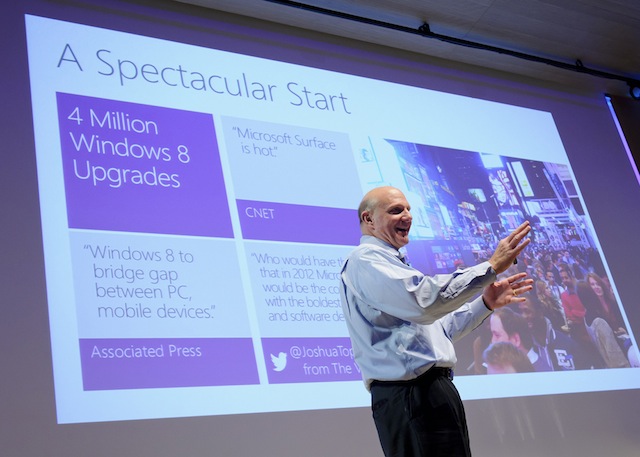
    Following the announcement of his pending retirement, Microsoft CEO Ballmer held his first interview for twenty years with ZD Net’s Mary-Jo Foley.

    During the ZD Net interview, Ballmer and Foley ranged over subjects ranging from his possible replacement, reasons for retirement and his greatest highlight during his thirteen year tenure as CEO.

    Foley’s asked Ballmer what was his greatest disappointment as Microsoft CEO and, not surprisingly, he nominated the development of Microsoft Vista.

    I would say probably the thing I regret most is the, what shall I call it, the loopedy-loo that we did that was sort of Longhorn to Vista. I would say that’s probably the thing I regret most. And, you know, there are side effects of that when you tie up a big team to do something that doesn’t prove out to be as valuable.

    Those side effects of Vista’s botched development were felt across the PC industry as the operating system’s overlong development and disappointing performance broke the three year upgrade cycle that underpinned the sector’s business model.

    Unlike the similar debacle eight years earlier with Windows ME where Microsoft’s market position was unchallenged, Vista came along at the time the computer industry itself was being disrupted by smartphones leaving the entire PC industry exposed to a major shift.

    Now Ballmer’s successor will have to deal with the industry’s broken upgrade model along with the post-PC era where desktop and server operating systems are no longer the key to controlling the market. Every option is a challenge to Microsoft’s existing businesses.

    As discussed in Ballmer’s interview with Mary-Jo Foley, Microsoft still sees its future in consumer IT, whether that includes continuing the company’s three screen strategy of supplying Windows on the desktop, tablet and smartphone will be one of the early and critical decisions the next CEO will have to make.

    While Microsoft Vista might have been Steve Ballmer’s biggest mistake as Microsoft CEO, the challenges ahead for the company’s board and management are great, it’s going to take strong leadership for the once dominant software giant to maintain its place in a radically changed market.

    Song of the day – Ms Otis regrets by Kirsty McColl and The Pogues.
    Similar posts:

  • How Google Glass can change business and industries

    How Google Glass can change business and industries

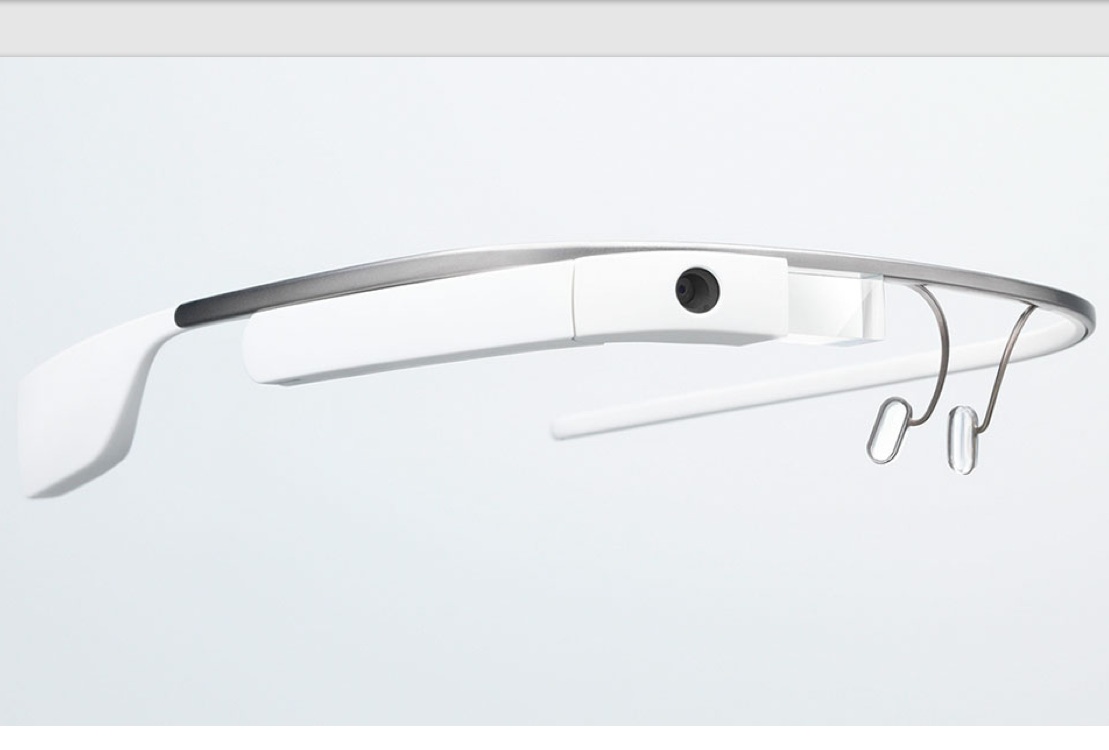
    When we talk about new technologies we often focus on the consumer aspects, in many ways the business and industrial applications are far more exciting with a potential to save lives and change workplaces.

    This week on my regular tech spot with Ed Cowlishaw on ABC Riverland we explained Google Glass and speculated on what some of the applications for listeners could be.

    During the discussion we ranged across the uses we might see for wearable technologies like glasses watches, jeans or even embeddable, vibrating tattoos. With electronics smaller and cheaper than ever, we’re at the stage where putting computers into almost anything is feasible.

    Most of the focus around these technologies has been on the consumer aspects, but wearable technologies like Google Glass probably have more immediate uses in industrial applications ranging from transport and medicine across to farming and emergency services.

    Emergency services

    For emergency services devices like Google glass can be the difference between life and death, first responders at a road accident can quickly evaluate damage and the best course of action for rescuing survivors.

    In firefighting, these technologies become incredibly valuable with protective suits being able to warn when conditions are becoming dangerous or the presence of hazardous materials and heads-up displays – which could be a Google Glass type device or a projection onto a firefighters visor –  can be monitoring weather conditions, the safety of buildings or the state of supplies.

    Police forces are already some way down the path of using these technologies with patrol cars and roadside detectors already monitoring number plates for unregistered and uninsured vehicles. Devices like Google Glass are going to help law enforcement use those technologies, particularly when coupled with facial and voice recognition.

    Medicine

    The use of wearable technologies in the medical industry is fascinating. We’re already seeing smart dressings that alert nurses and doctors to critical conditions and the increased network of devices is making it easier to monitor patients.

    With a Google Glass type device, surgeons and physicians can be receiving real time information on their patients while carrying out procedures and recognition software can help doctors identify the nature of a symptom such as a rash or swelling much earlier. At a hospital triage this can help nurses make quick, life saving decisions as people arrive.

    Farming

    One of the big frontiers of the internet of machines is the agriculture industry. With projects like Tasmania’s Sense-T monitoring natural resources and smart farm equipment reporting the state of soil and crops, a Google Glass type device gives farmers much more information about the paddock or cattle they are looking at.

    Farming is also a hazardous occupation and wearable technologies can also warn agricultural workers of hazards as well as alert family, colleagues or emergency services when a farm worker is in trouble. Occupational health and safety is going to be one of the driving forces for the adoption of these devices.

    Transport

    Safety is one of the key factors of technology adoption in the transport industry and it’s interesting how quickly transportation agencies and police forces have started discussing banning Google Glass.

    While checking your twitter feed or surfing for LOLCats while driving is undoubtedly dangerous, having a heads up display could actually improve the safety of truckers, taxi operators and other professional drivers as they aren’t being distracted from the road by dispatch messages, GPS directions and vehicle warnings.

    As monitoring devices, wearable technologies could also help warn drivers or their employer about looming fatigue or illness.

    In the logistics field, it’s not hard to see warehouse workers using wearable devices to warn them where robots are or to find stock items deep in the shelves.

    Like the tablet computer, it’s easy just to think of Google Glass and other wearable technologies as being solely consumer devices without considering how these devices will change the workplace.

    As the internet of everything and easily accessible broadband – both wireless and wired – becomes pervasive we’ll see most industries adopting these technologies making business more efficient and the workplace safer for the workers.


    Similar posts:

  • When cloud doesn’t count

    When cloud doesn’t count

    Wired Magazine tells how some businesses are switching away from cloud computing due to increased costs or security concerns.

    This makes sense, cloud computing is just a way of doing business and different methods work for different organisations.

    One of the driving factors is cost, outsourcing your IT requirements to a public cloud company can make sense for a fast growing or cash strapped small business but for a larger organisation it can quickly become expensive.

    Those costs though have to be examined carefully. The Wired article itself shows how major expenses can be overlooked in breaking down MemSQL’s expenses.

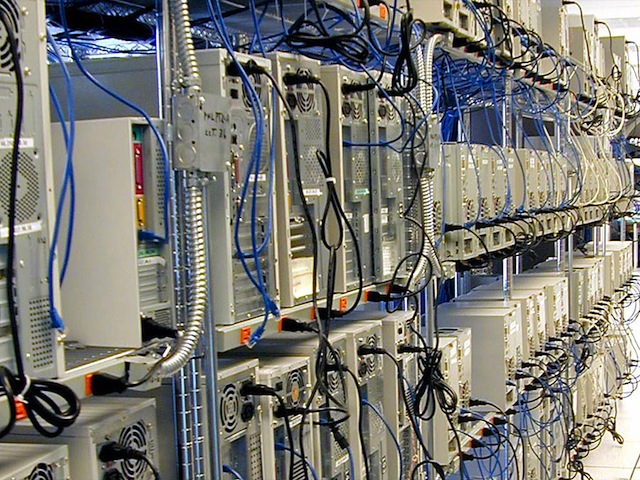
    This past April, MemSQL spent more than $27,000 on Amazon virtual servers. That’s $324,000 a year. But for just $120,000, the company could buy all the physical servers it needed for the job — and those servers would last for a good three years. The company will add more machines over that time, as testing needs continue to grow, but its server costs won’t come anywhere close to the fees it was paying Amazon.

    Missing from that calculation is the cost of employing sysadmins to maintain the servers. It’s quite easy to see how the staff expenses could easily eat up the 200,000 dollars a year in hosting costs.

    Added to the staff costs are the security and continuity risks — backups, disaster recovery and fallover systems are not cheap and a handful of system administrators won’t have the resources to deal with all the complexities of modern information security.

    There are many good reasons not to move a businesses’ IT systems onto the cloud, but it’s best to be careful when evaluating the costs and risks.

    Similar posts:

  • Fighting in the sandbox

    Fighting in the sandbox

    The current spat between Microsoft and Google over the Windows Phone YouTube app illustrates the value, and hindrance, of the internet’s walled gardens.

    Google’s locking Microsoft Phone users out of YouTube shows the strength of these online empires and when coupled with control of the mobile phone platforms, as Google has with Android, it makes it hard for outsiders to compete.

    In one respect, this is corporate karma coming back to bite Microsoft who ruthessly exploited their market position with Windows, MS-DOS and Office through the 1990s and early 2000s.

    That doesn’t change the problems facing Microsoft Windows Phone users who want the same access to internet services enjoyed by Android and iPhone owners.

    Being locked out of a service because of the product you choose to use is in many ways the antithesis of the internet and challenges the underpinnings of the online economy.

    All internet and mobile phone users need to watch how this spat between Microsoft and Google develops, captive markets aren’t good for anyone.

    Similar posts:

  • Reducing the road toll through the internet of everything

    Reducing the road toll through the internet of everything

    How can modern computer technology cut the road toll?

    Transport for NSW’s John Wall spoke last week at Cisco’s Internet of Everything presentation in Sydney about some of the ways the connected motor car can reduce accidents.

    John’s presentation comes from personal experience, having being a volunteer for nearly thirty years at his local State Emergency Service brigade where he was often among the first responders to local vehicle accidents.

    Some of the improvements in technology see the road toll falling as people travel less because of remote working, teleconference and business automation. Many of the applications though are built into the vehicles, street signs and the roads themselves.

    Finding the safest route

    John’s first suggestion for improving driver safety is having navigation systems sourcing traffic, weather and other information to suggest the best route for the driver. An intelligent system may also modify the recommended journey based on the experience of the driver and state of the vehicle, such as the tyre conditions.

    Watching the eyes

    Fatigue kills and all of us have driven when we were really too tired to be behind the wheel.

    The first in car technology John discussed is facial recognition technology that detects when drivers are fatigued. Tying this feature into the vehicle’s entertainment system with a stern aviation style “PULL OVER – YOU ARE TIRED” warning could well save hundreds of lives a year on his own.

    Connected road signs

    One of the underpinning factors of the internet of everything is cheap computers and transmitters embedded into almost anything. Road signs and sensors talking to cars could help reduce driver errors such as entering curves too fast.

    Those signs can also be plugged into weather conditions so if there’s ice, fog or rain then the car can be told of the hazards ahead.

    Going on the grid

    Signs are not the only devices that could be talking to each other, vehicles themselves could be talking to each other. Should one car hit a slippery or soft patch on the road, it could tell following vehicles that there’s a problem ahead and respond accordingly.

    That technology too could help traffic planners and road authorities, as data on traffic speeds and road conditions feed into their databases it becomes easier to identify black spots or road design problems before lives are lost.

    Helping the first responders

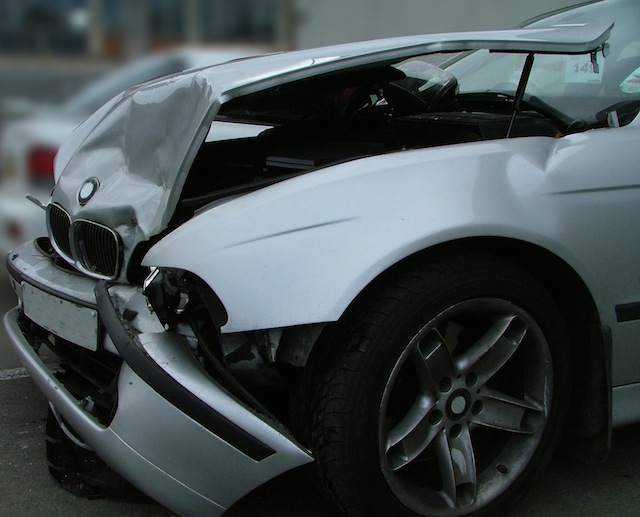
    A wrecked car or roadside sensor can also help those first responders attending an accident. The vehicle itself could transmit the damage and give rescuers valuable, time saving information, on the state of the occupants.

    Similarly, the system could also warn emergency services such as hospitals and ambulances of the injuries likely and what’s needed to treat the injuries on site, in transit and at the casualty ward.

    Importantly, a smart vehicle can also warn those first responders of potential risks such as live air bag gas cylinders, car body reinforcements or high voltage cables as they attempt to free trapped occupant from a wreck.

    The rescuers themselves may be wearing technologies like Google Glass that help them see this information in real time.

    Bringing together the technology

    As Kate Carruthers points out, the internet of everything is the bringing together of many different technologies – wireless internet, cloud computing, grid networks and embedded devices all come together to create a virtual safety net for drivers.

    By the end of this decade that we will all be relying on these technologies to help us drive. Which means we might find our licenses start to be endorsed for the level of technology in our vehicles, just as we used to have to get qualified to drive a car with a manual transmission.

    Concluding his presentation, John Wall told the story of Jason, a cyclist from his town who was killed in a road accident and left a young family. In his slide he showed Harry, Jason’s young son, playing with the flowers on his father’s memorial.

    “I hope for Harry is that when Harry learns to drive that things will be different on our roads and things will be different because we are all connected,” said John.

    It’s a strong reminder of the real human opportunities and costs when we adopt new technologies.

    Car crash image courtesy of jazz111 through SXC.HU

    Similar posts: