What does a startup do when it’s faced with a PR crisis? Recently Australia witnessed a spectacular example of what not to do when Sociabl, a startup that promised to connect users with celebrities, flamed out spectacularly.
Sociabl promised to connect punters over video with celebrities for a fee ranging from $500 up to $100,000 for individuals like Richard Branson with half the money going to a charity of the celebrities choice.
The app and its two young founders had plenty of coverage and all looked good until one of them, Brandon Reynolds, appeared on prime time evening show A Current Affair to spruik the service.
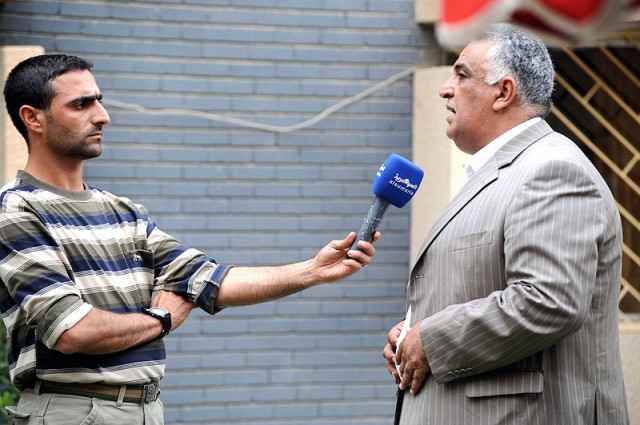
Unfortunately for Brandon he was interviewed by one of the celebrities listed by his app and the host, singer and presenter David Campbell, had never heard of the service.
A true PR disaster
Needless to say the interview didn’t go well with poor Brandon meekly declaring at one point “we’re not a major fraud!” You can watch the train wreck on the show’s website.
To compound the problem Brandon then wrote a defiant Medium post – later removed – accusing the program of slandering him and posting a pile of correspondence with the various celebrities’ agents.
Earlier this week I was invited to join a panel consisting of a journalist, a startup founder and a lawyer who also runs a startup along with myself we looked at how a startup can avoid a Sociabl like disaster. The lessons from it were clear.
Stop digging
Rule one in crisis management is when you find yourself in a hole, the first thing to do is stop making it deeper.
Brandon clearly missed that memo and his defiant post that accused the journalists and the network of defaming him only antagonised them. What’s worse, the attempt to throw the celebrities’ agents under the bus was only going to take him and his business partners into a new world of pain.
So when things are looking bad, stopping and taking a deep breath is the first thing to do. The absolute wrong action is lashing out publicly at media, advisors or business partners.
It’s probably not a crisis
There is no doubt Sociabl’s debacle was a crisis, but it’s an outlier and a situation that few startups or any businesses will find themselves. In most cases what appears to be a crisis is just a minor hiccup that looks like a big problem because you’re too close to it.
Most startup founders and small business owners are working hard, under stress and deeply emotionally engaged in their business. It’s understandable to over-react to what is often a minor, or even imagined, crisis.
By stopping digging, or panicking, and taking that deep breath you have the opportunity to get things into perspective. It’s also the opportunity to take advice.
Talk to your friends
One of the first things any new business should set up is an advisory board or panel. Helping with a crisis is exactly what those advisors are for. Talk to them and get their wisdom, usually they’ll bring some perspective and more experienced friends will know how to manage a crisis (if it exists).
An important aspect of asking for advice is actually taking what’s offered. One way of burning bridges with friends and trusted advisors is to ignore their advice after asking for it.
If you have investors then talk to them, particularly if they have seats on your board. They’ll want to know about the crisis anyway and if they’re experienced may well be the best people to help.
Get professional help
For early stage startups this tip isn’t much use as good PR and crisis communications professionals quite rightly charge a lot of money for their services.
If you do have raised substantial money however, then a good PR agency should be one of the first professional services engaged with the funds. Sociabl claimed to have raised $210,000 which probably wasn’t enough to get a good one.
Had Sociable engaged a competent and professional PR firm, it’s likely they would have avoided the disaster on A Current Affair.
Rally the fans
If you have loyal customers, user or supporters then a crisis is the time to get them onside by engaging honestly on the web, through email and on social media. Be honest, be open and be quick to reply.
If you have made a genuine mistake then it’s likely your fans will support you as long as you come clean. All bets are off however if you’re ripping those loyal supporter off.
Have a plan
Early in your business do a risk analysis to identify where things could go wrong and have a plan to deal with known risks. Hopefully you’ll never use it but it’s handy to have when something foreseeable happens.
Don’t be a fraud (of any size)
“We’re not a major fraud” will go down as one of the greatest lines of the current startup mania and one that Brandon Reynolds will struggle to live down for many decades.
At this stage I should point out I don’t believe Reynolds and Sociabl were a fraud of any size – he and his team simply didn’t understand how the world of celebrity engagement and the media work.
The key lesson is don’t be dishonest. Only make claims you can justify and promises you can deliver. Hell hath no fury like customers, investors or journalists who believe they have been misled.
For those raising money through crowd sourcing this is an important point as overstated claims and missed delivery dates will not only cause a crisis but see loyal supporters desert you.
More importantly, a crisis brought on by dishonesty may get the attention of the authorities if you’ve breached consumer law with your customers or securities regulations with your investors. Don’t be evil is a good philosophy for a young business.
In summary, the best advice for a startup in avoiding a crisis is not to put get in the position where you might find yourself in one however sometimes things are outside your control, when they do take a deep breath and talk to your friends.
Similar posts: