Category: mobile

  • Three screens, one screen

    Three screens, one screen

    One of the points that came out of Blackberry’s Z10 launch last week was CEO Thorsten Heins’ talking about the company’s ‘one screen’ strategy.

    Blackberry sees the smartphone as being the centre of people’s computer usage with them replacing personal computers and tablets as the main computing tool.

    This is at odds with the rest of the phone and computer industries who are struggling with managing the three or four devices that most people use.

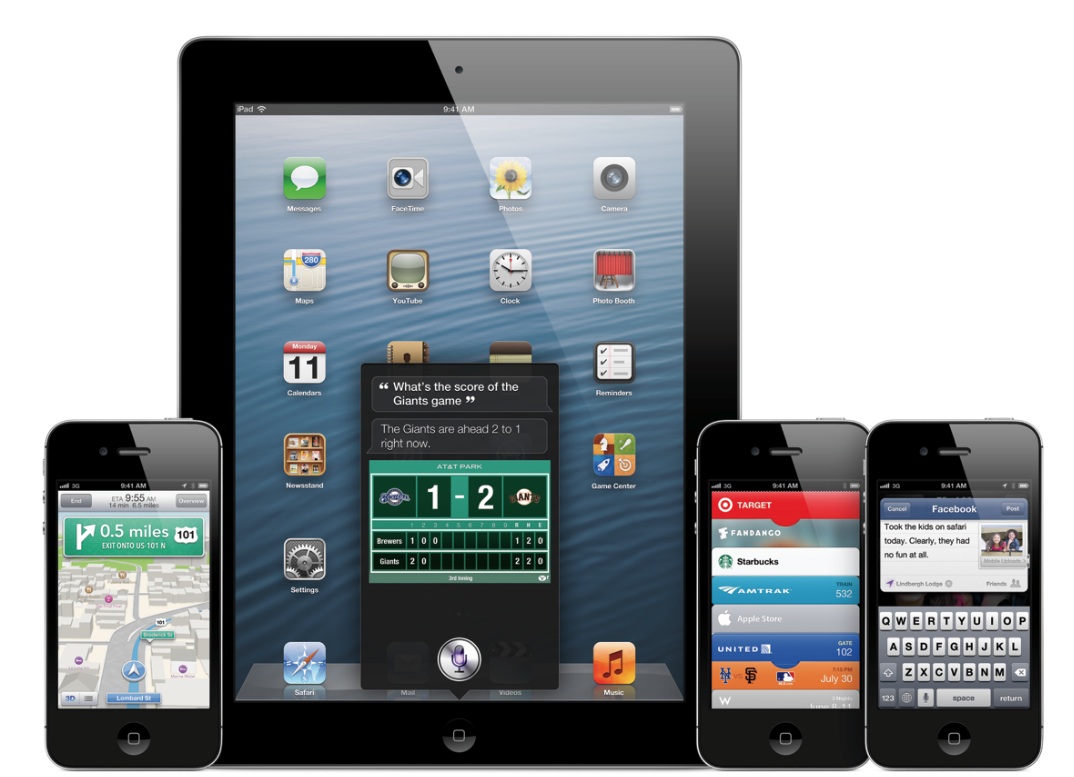
    Apple overcame this by having different operating systems – OS X and iOS – and even then the mobile iOS is subtly forked for the different ways people use tablets versus  smartphones.

    With Windows 8, Microsoft chose to go the opposite way with an operating system which works on all devices. Sadly it doesn’t seem to have worked.

    Blackberry’s strategy is to assume smartphones will be their main communications device. It’s a big bet which doesn’t align with what seems to be experience of most people.

    Over the last few years Blackberry’s smartphone market share has collapsed from 40% to 4%, so it’s the time for brave bets although its hard to see that customers will use smartphones instead of PCs or tablets is the right call.

    It’s an interesting question though – can you see your smartphone being your main computer?
    Similar posts:

  • Retail and the internet of machines

    Retail and the internet of machines

    Online retail and payment giants Ebay and PayPal hosted a media lunch in Sydney yesterday to publicise their Australian Business Update.

    While eBay dominates the online selling market, PayPal’s position in the payment market place is extremely powerful with Internet monitoring company Comscore reporting in their Digital Wallet Roadmap how PayPal dominates the US market and does likewise in other markets like Australia.

    PayPal's US market lead

    Their update confirms the trends which have been obvious for some time, particularly in how mobile devices are now driving retail. eBay’s research indicates properly implemented multichannel strategies drives six times more sales than just having an online presence.

    What was particularly notable with eBay’s presentation was how the Internet of Machines is changing the retail and logistics industries as smartphones and connected point of sales systems are cutting out jobs and middle men.

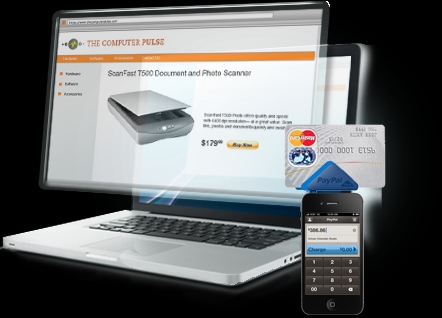
    Paypal are particularly proud of their US partnership with cash register manufacturer NCR that integrates smartphone payments with the point of sales systems in restaurants, convenience stores and gas stations.

    eBay illustrated this with their examples of coupon offers being tied to smartphone payment systems so people paying for gas with their smartphone get a voucher offer for various up sells.

    Studies in the US have found a $10 offer can result in sales of up to $100. A pretty compelling deal for most merchants.

    With these technologies, we’re seeing how connected machines are changing even the most mundane business tasks.

    It may well be that the days of the service station cashier are numbered; it’s quite possible that in one generation we’ll have gone from full staffed gas stations to totally automated facilities.

    The example of gas station attendants and cashiers is just one example of how automation is changing many retail and sales tasks. It would be a brave person to say their job isn’t safe.

    Similar posts:

  • ABC Nightlife February 2013

    ABC Nightlife February 2013

    Paul Wallbank joins Tony Delroy on ABC Nightife across Australia to discuss how technology affects your business and life. For February 2013 we’ll be looking at the software rip-off, smartphones for seniors and Telstra’s roadmap for the mobile economy.

    The show will be available on all ABC Local stations and streamed online through the Nightlife website.

    Some of the topics we’ll discuss include the following;

    We’d love to hear your views so join the conversation with your on-air questions, ideas or comments; phone in on the night on 1300 800 222 within Australia or +61 2 8333 1000 from outside Australia.

    Tune in on your local ABC radio station or listen online at www.abc.net.au/nightlife.

    You can SMS Nightlife’s talkback on 19922702, or through twitter to @paulwallbank using the #abcnightlife hashtag or visit the Nightlife Facebook page.

    Similar posts:

  • Seniors and smartphones

    Seniors and smartphones

    One of the opportunities with Android based smartphones is the ability for companies to offer modified phones aimed at certain industries and markets.

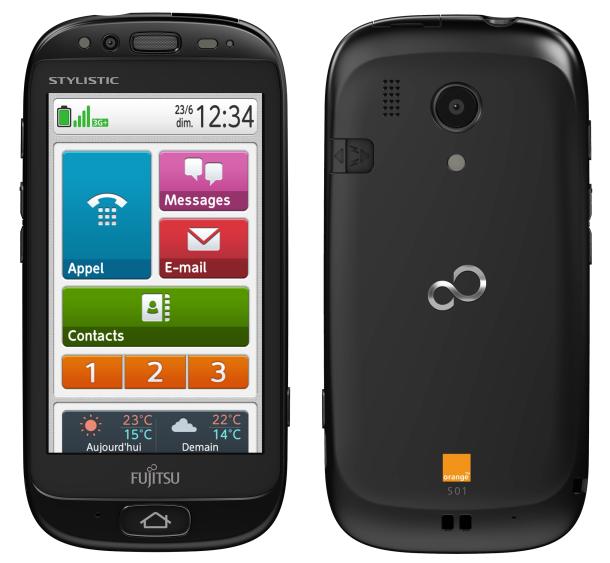
    Ahead of next week’s Mobile World Congress, Fujitsu has announced a phone designed for seniors with larger icons and a less sensitive touchscreen.

    The senior market is one that’s been ripe for savvy manufacturers as older people move onto smartphones and demand devices that meet their needs.

    Over the years there had been attempts at mobile phones designed for seniors but most of them had been pretty lame and none had sold well.

    The difference with smartphones is that most of the design changes are involved in the software and with open source platforms like Android and Ubuntu it makes it easier for companies to build easy to use devices.

    Now it’s fairly easy to make these devices, we can expect to see more of them and as smartphones are becoming cheaper – a quick look at the Alibaba website shows wholesale prices for Android based phones as low as $10 (although you have to buy a container load of the things.)

    There’s some opportunities for some smart entrepreneurs with these devices and we’ll see some interesting smartphones aimed at certain groups.

    Similar posts:

  • What happens when software is wrong

    What happens when software is wrong

    The Las Vegas Review Journal yesterday told the story of Wayne Dobson, a retiree living to the north of the city whose home is being fingered as harbouring lost cellphones thanks to a software bug at US telco Sprint which is giving out the wrong location of customer’s mobile devices.

    While it appears funny at first the situation is quite serious for Mr Dobson as angry phone owners are showing up at his home to claim their lost mobiles back.

    Making the situation even more serious is that 911 calls are being flagged at coming from his home and already he has had to deal with one police raid.

    While the local cops have flagged this problem, it’s likely other agencies won’t know about this bug which exposes the home owner to some serious nastiness.

    That a simple software bug can cause such risk to an innocent man illustrates why we need to be careful with what technology tells us – the computer is not always right.

    Another aspect is our rush to judgement,  we assume because a smartphone app indicates a lost mobile is in a house that everyone inside is a thief. That the app could be wrong, or we don’t understand the data to properly interpret it, doesn’t enter our minds. This is more a function of our tabloid way of thinking rather than any flaws in technology.

    The whole Find My Phone phenomenon is an interesting experiment in our lack of understanding risk; not only is there a possibility of going to the wrong place but there’s also a strong chance that an angry middle class boy is going to find himself quickly out of his depth when confronted by a genuine armed thief.

    For Wayne Dobson, we should pray that Sprint fixes this problem before he encounters a stupid, violent person. For the rest of us we should remember that the computer is not always right.

    Similar posts: