Category: Smartphones

  • A gigabit milestone for mobile networks

    A gigabit milestone for mobile networks

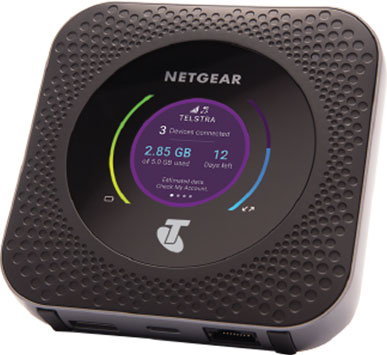
    Yesterday communications vendors Qualcomm, Netgear, Ericsson and Telstra, unveiled their Australian gigabit LTE service that gives users high speed internet connections over the 4G mobile network.

    Billed as a world’s first, Telstra will offer customers the Netgear supplied hotspots that can connect up to twenty devices over WiFi.

    Listening to the Telstra spiel yesterday, it wasn’t hard to conclude the company is making a pitch for the market frustrated by the National Broadband Network’s tardy rollout and patchy service.

    The service doesn’t come cheap though, as Finder’s Alex Kidman points out, an hour’s movie streaming on one device could easily cost $4500 dollars on Telstra’s current plans with one of the company’s executives emphasising the product is “aimed at the premium end of the market.”

    Being aimed at the premium end of the market is shame for Qualcomm as their spokespeople were keen to show off the gaming, AR and VR potential of the Snapdragon CPUs driving these devices. It would be a brave or very affluent family that bought one of these devices for their kids given the data costs.

    While the Telstra Gigabit LTE service might be an NBN replacement for deep pocketed customers, telco veteran John Lindsay points out the mobile network can’t support too many people doing so unless many more cells are deployed.

    For the moment the Telstra service is going to be attractive for companies needing high speed. low volume connections in the central business district and as the gigabit LTE upgrades roll out across the country, it will be useful for travellers as well as frustrated NBN customers.

    Ultimately the gigabit LTE product is another step toward the 5G networks that we’ll be seeing appear at the end of the decade, something that both the Ericsson and Telstra PR folk were keen to highlight.

    The key message for consumers and businesses is the rate of innovation in the mobile communications market is not slowing and another generation of connected devices is coming that will change things as dramatically as the smartphone did.
    Similar posts:

    • No Related Posts
  • Inside Samsung’s exploding batteries

    Inside Samsung’s exploding batteries

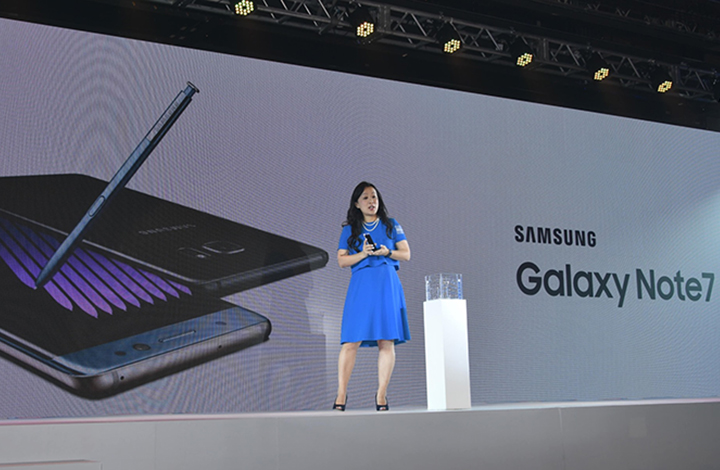
    One of the most humiliating corporate crises of recent history has to be last year’s recall of the Galaxy Note.

    Airlines around the world started telling passengers that the devices were banned during their pre flight briefings, causing untold damage for the Samsung brand.

    Now Samsung have completed a review into what happened including an infographic illustrating the exact problem with the batteries.

    That review shows the design and manufacturing errors that resulted in the batteries bursting into flames. How Samsung are fixing it or putting in systems to prevent that happening again isn’t discussed.

    What the infographic does show is how complex the design, engineering and manufacturing is in modern technology – something that is often overlooked by many technologists.

    Battery technologies are particularly fraught as a lot of energy is compressed into a small space and the chemistry of Lithium Ion batteries makes them particularly dangerous should they be damaged or incorrectly used, as Boeing found with the early models of the 787 Dreamliner.

    Modern life and the devices that we take for granted are complex and that complexity though can easily come back to bite us. As Samsungs’ exploding batteries show, sometimes that complexity is difficult to manage.


    Similar posts:

    • No Related Posts
  • Google’s grab for the smartphone market

    Google’s grab for the smartphone market

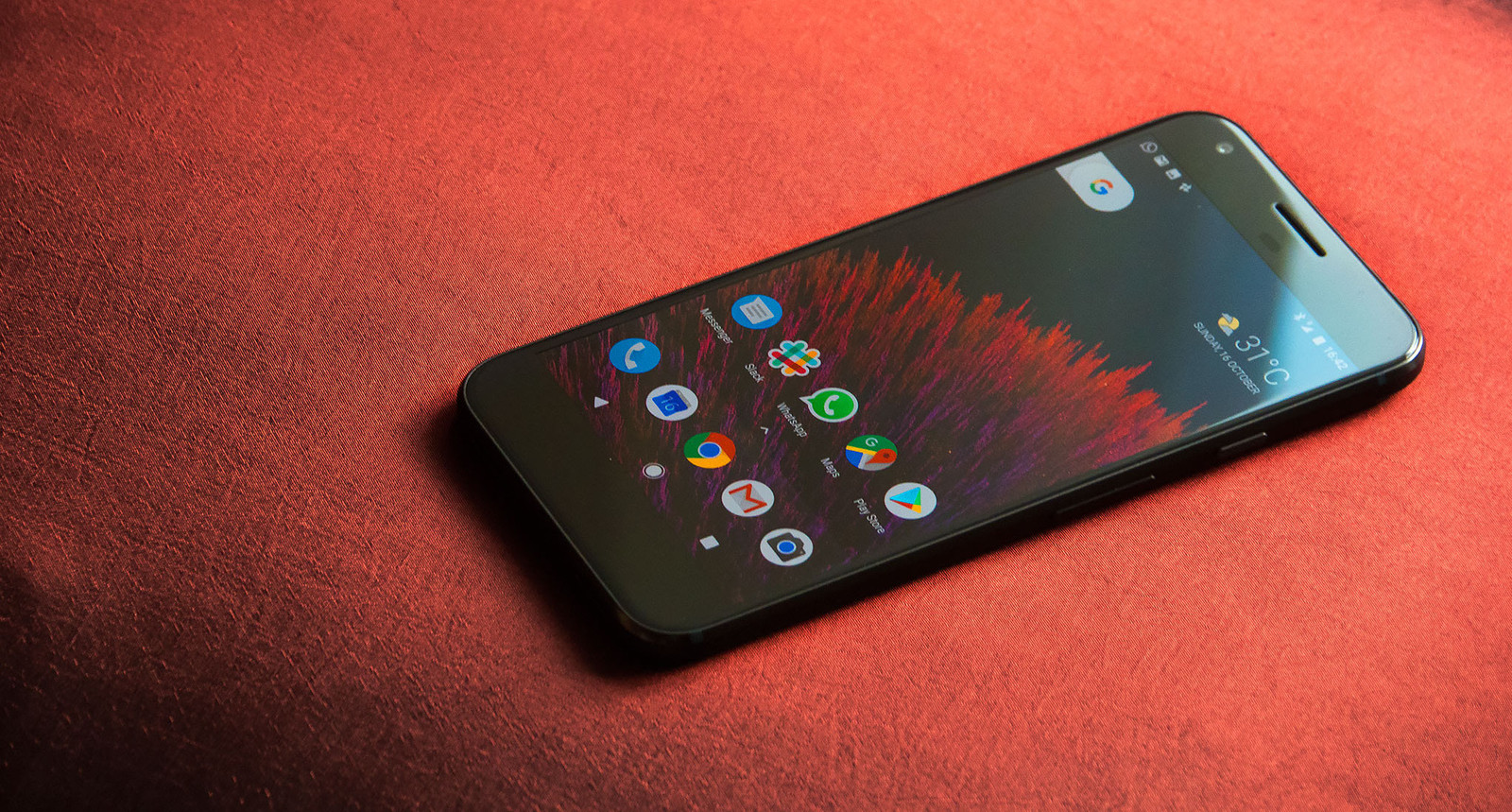
    This week Google released its latest smartphone, the Pixel, to mixed reviews. Controlling the most popular mobile operating system, Android, isn’t enough for the company.

    As Microsoft found, just supplying the operating systems for smartphones isn’t enough to influence the market. Apple, along with Nokia and Blackberry before them, showed that the path to both controlling the segment and being profitable relies on having devices designed for their software.

    Given the Pixel’s price point, it’s unclear how well it will do against the iPhone, Samsung’s models or the plethora of Chinese devices but for all the Android ecosystem’s players, having its controlling owner running in opposition to them can’t be comforting.

    Again though Microsoft’s experience is instructive, and encouraging, for the broader Android community as Microsoft’s attempts to push out Windows CE devices failed dismally. For Google to be successful where Microsoft failed would require a degree of corporate discipline the search engine giant is not renown for.

    In the Windows ecosystem, Microsoft strength was licensing and controlling access to the operating system. Android’s strength in the smartphone world is that Google doesn’t have the same veto power. To be able to exercise control over the market, Google needs a big device share.

    Ultimately though the success of the Google Pixel smartphone will depend on how many users will adopt it. It may be time for another round of smartphone subsidy wars.


    Similar posts:

    • No Related Posts
  • Google scraps Project Ara

    Google scraps Project Ara

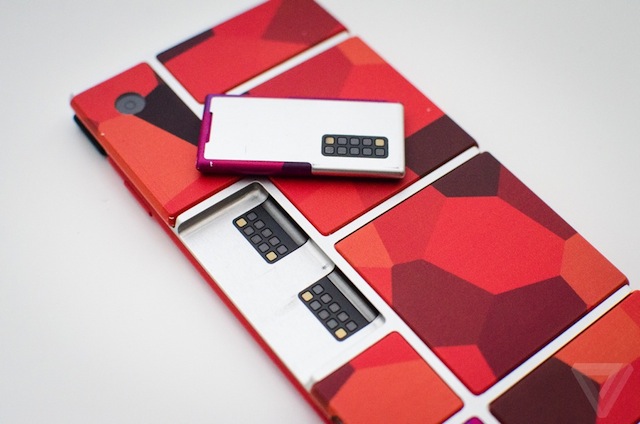
    Project Ara, Google’s experimental modular phone, seems to be doomed reports Reuters.

    Sadly this isn’t surprising as the indications of Ara’s demise have been around for a year.

    In some ways this isn’t surprising as Google retreated from the smartphone market at the beginning of 2014 with its sale of the Motorola handset business, the company’s notorious attention deficit disorder wouldn’t have helped the project’s survival chances either.

    Should Reuter’s report be true, then Google’s management will have shown again that the company isn’t prepared to stick with long term research projects and that journalists, not to mention researchers and developers, need to treat the company’s programs with some scepticism.

    For the Ara team, they’ve no doubt learned a lot in developing this project and it will be interesting to see how that knowledge is applied to other products, few of which will belong to Google.

    Similar posts:

    • No Related Posts
  • Smartphones become a mature market

    Smartphones become a mature market

    As Apple celebrates shipping a billion iPhones, the smartphone industry has entered maturity reports IDC.

    The analyst firm’s latest survey of the global smartphone industry reports only 0.3% growth over the equivalent period of last year.

    While both Apple and Samsung have had successes over the past year with new models, IDC believes growth now lies in shifting ‘flagship products’ at lower price points with enhanced features.

    A more mature industry opens opportunities for the cheaper Chinese brands and IDC is finding those companies are unsurprisingly proving successful in emerging markets. For the established brands redefining their price points and models is going to be the challenge.

    That mature marketplace is going to focus the minds of product managers, marketers and executives at all the manufacturers as capturing profit and investors’ imaginations in a mature market is very different to that when selling a new, high growth product.

    Similar posts:

    • No Related Posts