Tag: computers

  • The Five Stages of abandoning a product

    The Five Stages of abandoning a product

    Killing a technology product is never a clean process, as Google well know. Microsoft show the way to deal with a failed project and we’re seeing their five stages of abandoning a product as they prepare to retire Windows 8.

    The stages of Microsoft are abandoning a product are well known – the failure of Microsoft Vista is the best example, but not the only one.

    As Microsoft smooths Window 8’s pillow and prepares for its imminent demise we can see the process at work.

    Denial

    At first the company denies there is a problem, the flashy advertising campaigns are boosted and the various ‘in the camp’ commentators get informal briefings from company evangelists to fuel their snarky columns about people getting Microsoft’s latest product all wrong.

    This usually goes on for around six months until the market feedback that the product is dog becomes overwhelming – usually this happens at the same time the first reliable sales figures start appearing.

    Anger

    As the consensus in the broader community becomes settled that the new product isn’t good, the company’s tame commentators turn nasty and lash out at the critics for ‘misrepresenting’ the new product.

    This is usually a touchy period for Microsoft and other vendors as they can’t risk being too aggressive but they have to allow their allies to both let off steam and try to recover the credibility they lost in hyping what’s clearly been a market failure.

    Bargaining

    Once it’s clear the perceived wisdom that the product isn’t very good isn’t going to be shaken, the vendor comes out with special offers and pricing changes to try and coax users over to the new service.

    With Windows 8 Microsoft tried something unusual, rather than cutting prices, Microsoft announced they would increase the cost of Windows 8.

    The idea was probably to panic people into buying the product and giving Microsoft a revenue and market share bounce for the quarter.

    It didn’t work – the consensus that Windows 7 is a better product meant people stayed away.

    Depression

    As the realisation that pricing tweaks and promotional stunts won’t work sends the company, and its supporters, into a funk.

    For experienced industry watchers, the silence around a product that’s been heavily hyped and defended for the previous year or two is a good indication that the next version is being accelerated.

    Acceptance

    Eventually the vendor accepts the product has failed and starts working on its own exit strategy – hopefully one that doesn’t see too many executives sacked.

    With Microsoft’s this process starts with a quiet announcement that the replacement version of Windows is on the way, in this case Windows Blue.

    At the same time, the tame commentators start talking about ‘leaks’ of the wonderful new system that is in the pipeline. Early beta versions of the new product start popping up in developers’ forums and file sharing sites.

    Eventually you get stories like this one that appeared in The Verge yesterday – Windows Blue leaks online and we can be sure the Microsoft public relations machine has subtly moved onto the next version.

    Vale Windows 8

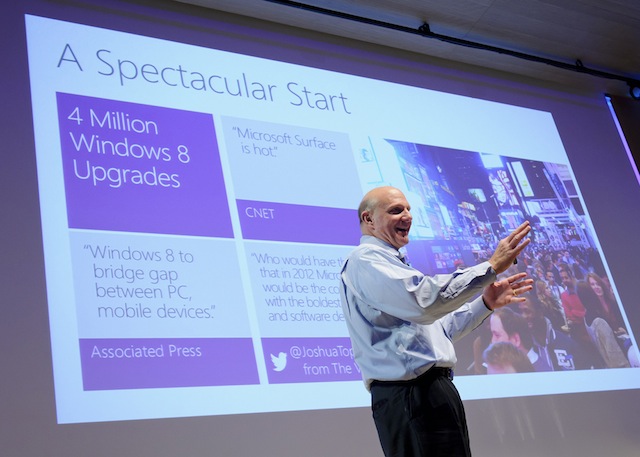
    So Windows 8 is coming to an early end. In one way this is a shame as it was a brave gamble by Steve Ballmer and his team to solve the ‘three screen’ problem.

    Computer users today are using three or more screens or devices – a desktop, a smartphone and a TV or tablet computer.

    Microsoft were hoping they could develop a system that unified all these platforms and gave users a common experience regardless of what they were using.

    It appears to have failed, probably because the different devices don’t have the same user experience so a keyboard based system doesn’t work on a touchscreen while a touch based system sucks really badly on a desktop or laptop computer – which is Windows 8’s real problem.

    Unrealistic expectations

    Another problem for Microsoft were the unrealistic expectations that Window 8 would halt the slide of personal computer sales.

    PC manufacturers have been baffled by the rise of smartphones and tablet computers – vendors like Dell, HP and Acer have miserably in moving into the new product lines and they hoped that Microsoft could help arrest their market declines.

    This was asking too much of Windows 8 and was never really likely.

    So the cycle begins again with Windows Blue, the question is whether it will be the last version of Windows as we move further in the post-PC era.

    Similar posts:

  • Would you know if you’ve been hacked?

    Would you know if you’ve been hacked?

    “I report to head office in Moscow” is a line which either means you’re in a James Bond movie or at a lunch briefing with the Russian security company Kaspersky.

    While the James Bond movie would be fun, the Kaspersky lunch was an interesting briefing on their new security product.

    A notable aspect of the discussion was the explosion in malware – there are over a hundred million malicious programs circulating on the internet with over 200,000 new threats every day.

    “We struggle to keep up,” says Kaspersky Lab ANZ Managing Director, Andrew Mamonitis.

    That a security company with 2,700 specialists struggles to keep up with the evolving threats emphasises the scale of the task facing a network administrators and IT managers.

    It’s a task beyond all but the biggest companies.

    Sometime ago I suggested every computer user should assume their computers are compromised and managers should work work on limiting what intruders can do to system.

    With staff bringing their own devices to work, those risks are multiplied as some devices will almost certainly be infected with malware.

    There are some basic things that computer users should do to make their systems harder to break however it’s almost impossible to protect against a zero-day exploit or the efforts of a sophisticated and determined hacker.

    With our homes and motor cars, we realise it’s almost impossible to keep determined thieves out, so we take precautions like alarms, immobilisers and basic security such as keeping valuables out of plain view.

    That attitude is what we now need with our computer technology, any hope of keeping your office server impregnable from outside attack is long gone.

    Similar posts:

  • Blind faith in the algorithm

    Blind faith in the algorithm

    It’s fairly safe to say Apple’s ditching of Google Maps for their own navigation system has proved not to be company’s smartest move.

    The humiliation of Apple was complete when the Victoria Police issued a warning against using the iPhone map application after people became lost in the desert when following faulty directions to the town of Mildura.

    Mapping is a complex task and it’s not surpising these mistakes happen, particular given the dynamic nature of road conditions and closures. It’s why GPS and mapping systems incorporate millions of hours of input into the databases underlying these services.

    Glitches with GPS navigations and mapping applications aren’t new. Some of the most notorious glitches have been in the UK where huge trucks have been directed down small country lanes only to find themselves stuck in medieval villages far from their intended location.

    While those mishaps make for good reading, there are real risks in these misdirections. One of the best publicised tragedies of mis-reading maps was the death of James Kim in 2007.

    Kim, a well known US tech journalist, was driving with his family from Portland, Oregan to a hotel on the Pacific Coast in November 2006 when they tried to take a short cut across the mountains.

    After several hours driving the family became lost and stuck in snowdrifts and James died while hiking out to find help. His wife and two children were rescued after a week in the wilderness.

    Remarkably, despite warnings of the risks, people still get stuck on that road. The local newspaper describes it the annual ritual as find a tourist in the snow season.

    Partly this irresponsibility is due to our modern inability to assess risk, but a more deeper problem is blind faith in technology and the algorithms that decide was is good and bad.

    A blind faith in algorithms is a risk to businesses as well – Facebook shuts down accounts that might be showing nipples, Google locks people out of their Places accounts while PayPal freeze tens of thousands of dollars of merchants’ funds. All of these because their computers say there is a problem.

    Far more sinister is the use of computer algorithms to determine who is a potential terrorist, as many people who’ve inadvertently found themselves on the US government’s No Fly List have discovered.

    As massive volumes of information is being gathered on individuals and businesses it’s tempting for all of us to rely on computer programs to tell us what is relevant and to join the dots between various data points.

    While the computers often right, it is sometimes wrong as well and that’s why proper supervision and understanding of what the system is telling people is essential.

    If we blindly accept what the computer tells us, we risk being stuck in our own deserts or a snowdrift as a result.

    Similar posts:

  • Unprotected computing practices

    Unprotected computing practices

    A US study finding malware is rampant on medical equipment shouldn’t come as a surprise to those running industrial computer systems in their businesses.

    It’s notoriously difficult to update medical equipment or other sensitive systems as a security patch could have unintended consequences. Unlike a home or business computer, these patches have to be thoroughly tested beyond the precautions vendors take.

    So it isn’t surprising that these systems aren’t kept up to date although some equipment suppliers are more tardy than they should be in updating the servers they supply.

    A few years ago I came across CCTV systems running on the original version of Windows 2000 which were hopelessly compromised. This is an unacceptable situation for the customer and was more the result of vendor carelessness than any concern that customers could be affected by these unsecured machines.

    Not having the latest software patches creates a weakness in any computer device as most common way viruses find their way onto networks is through systems not being updated – Australia’s Defense Signals Directorate rates unpatched systems as being the number one cause of corporate security breaches.

    This is what caught out the Iranian nuclear program with the Stuxnet worm as the Siemens SCADA devices used by the Iranians were running older, unpatched versions of Windows. The designers of Stuxnet took advantage of a number of known weaknesses in the software and were able to damage the equipment being controlled by the systems.

    Obviously systems should be patched wherever they can be and there’s no excuse for not patching most office and home computers. It’s also worthwhile carrying out a number of other security steps to ensure an infected computer can’t damage your network or catch a virus through your Internet connection.

    The survey looking at these medical systems is a good wake up call to all of us that we need to take computer security seriously in our businesses.

    Similar posts:

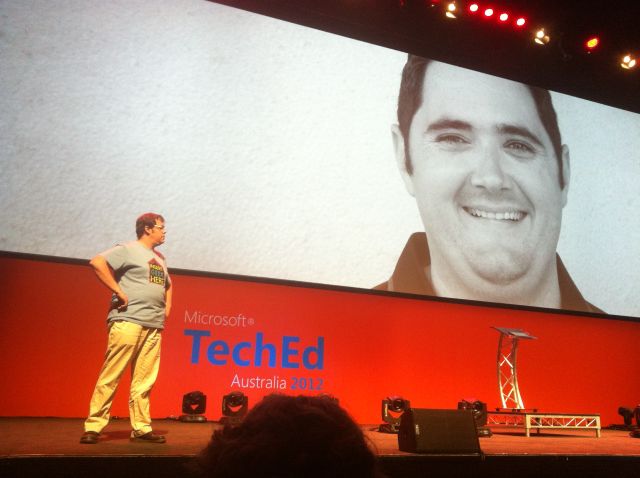
  • Microsoft TechEd Australia 2012

    Microsoft TechEd Australia 2012

    2012 is the year that will define Microsoft as the market place they have dominated moves to tablet computers and smart phones.

    The challenge for Microsoft is how they migrate their desktop and server products to the platforms dominated by Amazon, Google and Apple.

    At this year’s TechEd Australian conference the pressure is on Microsoft to present how they will deal with this challenge from tablet computers, mobile phones and cloud computing.

    The big ticket item is the Windows phone. After the disastrous launch of the Nokia Lumia 920, Microsoft has to convince the market place they have a viable competitor to the iPhone and the plethora of Google Android devices.

    Microsoft have taken the opposite strategy to Apple in trying to offer the same operating system on all their devices. If Windows 8 can run on all systems then they have a chance of locking high margin corporate users onto their platforms.

    Windows 8 itself has to have a compelling story to tell. Much of Microsoft’s future relies upon a successful rollout of the new operating system that meets the demands of both consumers and businesses. Users increasingly expect social media and cloud computing services to be integrating into their systems.

    Cloud computing is an important part of Microsoft’s corporate strategy and how the new version of Windows Server delivers on the business requirements of using cloud services will be an important factor in the product’s success.

    One of Microsoft’s most profitable product lines has been their Office suite of applications. Margins on Office have been under pressure since the release of the free Google Docs suite and the corporate Google Apps product.

    The advantage Microsoft have in the office productivity market is their products have the full range of feature business users need and Google, and Apple, have struggled to include these tools in their products.

    With new versions of Office, Server, Phone and Windows all being released Microsoft have a lot of stories to tell and the stakes for the software giant are huge. It’s going to be an interesting few days at the Gold Coast Convention Centre.

    Similar posts: