Tag: internet of everything

  • Building tomorrow’s markets

    Building tomorrow’s markets

    “If I’d asked my customers we’d have built a faster horse,” is a quotation often attributed, probably incorrectly, to Henry Ford.

    The point of the quote is that asking today’s customers about tomorrow’s market is pretty pointless when new products change consumer behaviour.

    Just as the farmer of 1906 had no inkling of how the motor car, truck and tractor would change their business, the cellphone user of 2006 had no idea of how the iPhone would change the way they used a phone and communicated with the world.

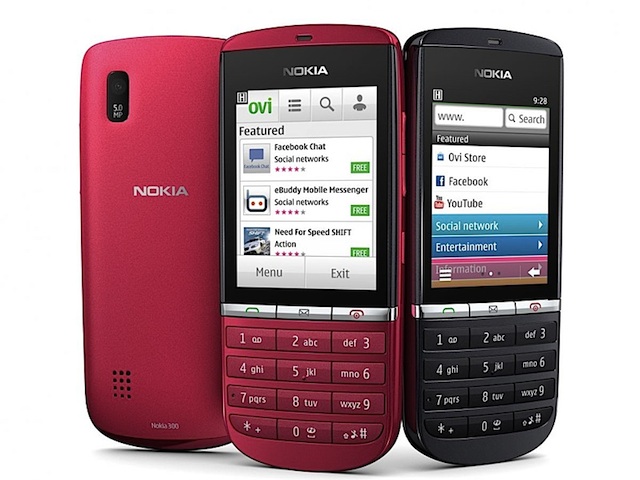
    Which brings us to Nokia.

    The Sami Consulting blog discusses how Nokia lost their lead in the cellphone business as the market migrated the Apple and later Android smartphones.

    Nokia’s problem was they spoke to their customers about their existing mobile phone use rather than considered how the technology might evolve.

    When the inventors of the touchscreen approached Nokia, the company carefully evaluated the technology, consulted their customers and decided it wouldn’t work for their products.

    What does this story tell about foresight?  First, it shows that innovation creates futures that are fundamentally unpredictable. We do not have facts or data about things that do not exist yet.  When a mobile phone becomes an internet device with sensors, touch screens, and broadband access, it becomes a new thing.  If you ask your existing customers what they like, the answer will always be about incremental improvements.  When you ask about the future, the answer will always be about history.

    In many ways Nokia were the beneficiaries of a transition effect, they took advantage of a brief period of technological change  and were caught flat footed when the technologies evolved further.

    To be fair, it’s hard to see that change when you’re focused on incremental improvements.

    The motor car turned out to define the Twentieth Century – even Henry Ford couldn’t have foreseen how the automobile would change society and the design of our communities.

    Both the motor industry and smartphone industries are going through major change, particularly as the internet of everything sees the two technologies coming together.

    One thing is for sure, how we use our phones and cars over the next fifty years will be very different to how we use them today.
    Similar posts:

    • No Related Posts
  • Exploring the internet of everything

    Exploring the internet of everything

    As part of the Decoding the New Economy video series, I had the opportunity of interviewing Ken Boal, the head of Cisco Australia and New Zealand, about the Internet of Everything and how it will change business.

    “The internet of everything is about things, it’s about people, process and it’s about data,” says Ken. “Compounding together to create new capabilities and drive opportunities for nations, enterprises, government and right down to consumers.”

    “It’s a huge transition in the internet’s evolution.”

    Reducing the road toll

    A previous Cisco presentation looked at some of the ways the internet of everything can reduce road deaths, Ken sees this both private and public sector benefits of the connected economy flowing to consumers and the community.

    “When you think about things like traffic congestion, health care and how education is delivered we know there’s huge opportunities for greater efficiency,” says Ken.

    “Just on road safety, when we’ve got all the vehicles and trucks connected, when the traffic lights and traffic control systems are all connected,” suggests Ken, “then consumers are going be better informed about what is the most efficient route to work.”

    “Cars will be communicating with each other to reduce fatalities and collisions in the future as well.”

    Bringing together industrial, consumer  and public safety technologies creates a grid of connected devices, including cars, that improve public safety while making industries more efficient.

    Of course these connected services come with risks to privacy, particularly when multiple points of data can triangulated despite each individual item being anonymous on their own.

    What Ken finds is particularly important is the current value of these technologies with Cisco predicting $1.4 billion in productivity gains through the internet of everything this year, half of which are available for businesses.

    A warning for Australia

    For Australia, the concern is that business and the economy in general is falling behind, Cisco’s recent Internet of Everything Value Index rated Australia among the BRIC countries in adopting the new technologies.

    “We’ve always counted Aussies as fairly innovative and leading edge,” says Ken. “Australia is ranked tenth out of the twelve largest economies in the adoption of internet of everything capablities.”

    The countries leading – such as Japan, Germany and the United States – have had a solid record of investing in technology, “in Australia, we’ve had that in the past but we’ve lost our mojo.” Ken says, “IT has been viewed more as a problem – a cost to business – rather than a provider of productivity for the long term.”

    How business can adapt

    For businesses, the question is how can they take advantage of the internet of everything? “You don’t have to start from scratch,” says Ken. “There are a whole heap of use cases for every vertical.”

    “Start to drive some innovation. Think about your business processes at the front end where you touch your customers, look at your supply chains and your back office arrangements driving workforce productivity and how fast can you deliver new innovations to the market.”

    “Internet of everything themes can address a whole host of these different processes in different parts of your business.”

    Similar posts:

    • No Related Posts
  • Bringing social networking to life

    Bringing social networking to life

    One of the highlights of the 2013 Australian Microsoft TechEd was a startup panel featuring local startups CoOpRating, Project Tripod and Nubis.

    All three startups are interesting projects and Nubis in particular illustrated how various internet and smartphone technologies which are coming together.

    Nubis is an Augmented Reality platform that projects social media onto the viewer of a smartphone’s camera. By pointing the camera at someone, the idea is a user can bring up details about a person.

    “We’re bringing social networking to life,” says founder Uzi Bar-On.

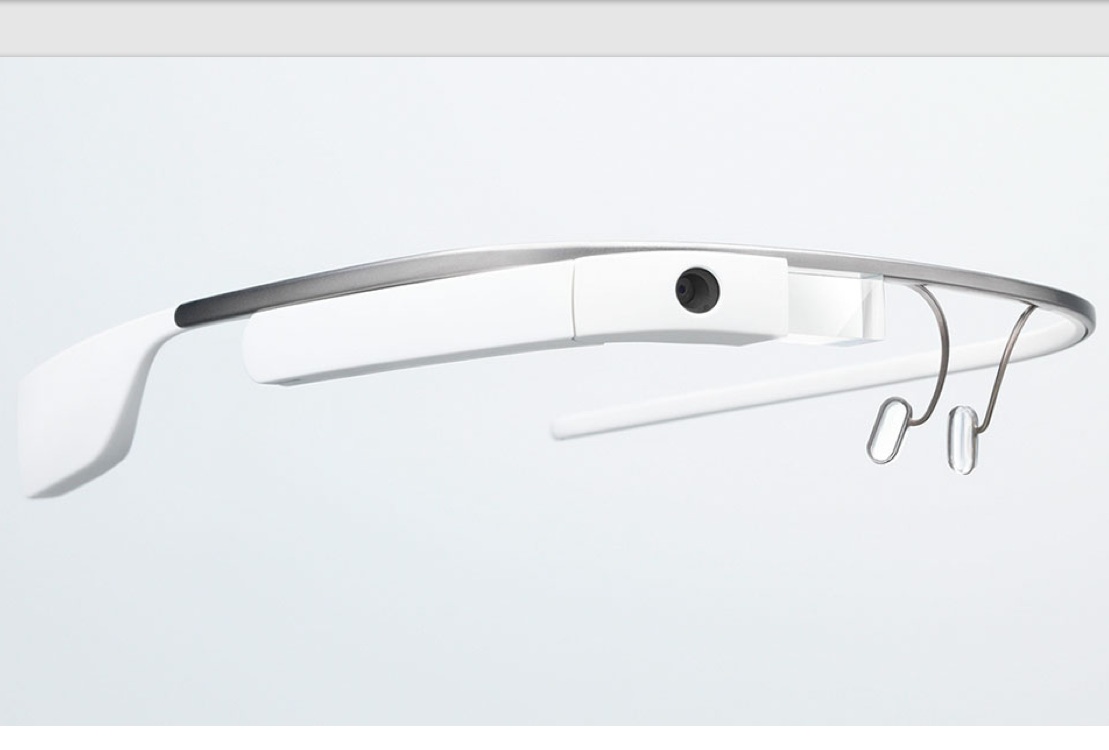
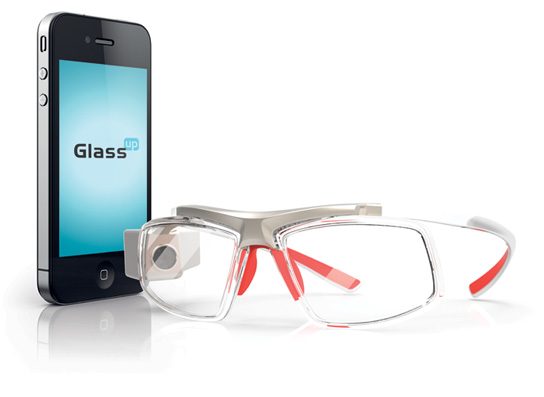
    As part of their Alphega project, Nubis has teamed with Glass Up, an Italian startup attempting to create a Google Glass competitor, the aim is to create a wearable computer that feeds social media information to the wearer.

    While it’s not clear what the benefits will be of that – or whether Glass Up, Nubis or Alphega will be successful – the project is interesting as it brings together Augmented Reality, geolocation, wearable technologies and social media.

    Over the next few years we’ll be seeing more products like Alphega tying together different technologies and using the Internet of Everything to talk to each other.

    It’s these sort of projects that will show us how our businesses and lives are going to change over the next decade as smart people figure out the ways to mash together these technologies.

    Paul travelled to Microsoft TechEd 2013 courtesy of Microsoft Australia

    Similar posts:

  • How Google Glass can change business and industries

    How Google Glass can change business and industries

    When we talk about new technologies we often focus on the consumer aspects, in many ways the business and industrial applications are far more exciting with a potential to save lives and change workplaces.

    This week on my regular tech spot with Ed Cowlishaw on ABC Riverland we explained Google Glass and speculated on what some of the applications for listeners could be.

    During the discussion we ranged across the uses we might see for wearable technologies like glasses watches, jeans or even embeddable, vibrating tattoos. With electronics smaller and cheaper than ever, we’re at the stage where putting computers into almost anything is feasible.

    Most of the focus around these technologies has been on the consumer aspects, but wearable technologies like Google Glass probably have more immediate uses in industrial applications ranging from transport and medicine across to farming and emergency services.

    Emergency services

    For emergency services devices like Google glass can be the difference between life and death, first responders at a road accident can quickly evaluate damage and the best course of action for rescuing survivors.

    In firefighting, these technologies become incredibly valuable with protective suits being able to warn when conditions are becoming dangerous or the presence of hazardous materials and heads-up displays – which could be a Google Glass type device or a projection onto a firefighters visor –  can be monitoring weather conditions, the safety of buildings or the state of supplies.

    Police forces are already some way down the path of using these technologies with patrol cars and roadside detectors already monitoring number plates for unregistered and uninsured vehicles. Devices like Google Glass are going to help law enforcement use those technologies, particularly when coupled with facial and voice recognition.

    Medicine

    The use of wearable technologies in the medical industry is fascinating. We’re already seeing smart dressings that alert nurses and doctors to critical conditions and the increased network of devices is making it easier to monitor patients.

    With a Google Glass type device, surgeons and physicians can be receiving real time information on their patients while carrying out procedures and recognition software can help doctors identify the nature of a symptom such as a rash or swelling much earlier. At a hospital triage this can help nurses make quick, life saving decisions as people arrive.

    Farming

    One of the big frontiers of the internet of machines is the agriculture industry. With projects like Tasmania’s Sense-T monitoring natural resources and smart farm equipment reporting the state of soil and crops, a Google Glass type device gives farmers much more information about the paddock or cattle they are looking at.

    Farming is also a hazardous occupation and wearable technologies can also warn agricultural workers of hazards as well as alert family, colleagues or emergency services when a farm worker is in trouble. Occupational health and safety is going to be one of the driving forces for the adoption of these devices.

    Transport

    Safety is one of the key factors of technology adoption in the transport industry and it’s interesting how quickly transportation agencies and police forces have started discussing banning Google Glass.

    While checking your twitter feed or surfing for LOLCats while driving is undoubtedly dangerous, having a heads up display could actually improve the safety of truckers, taxi operators and other professional drivers as they aren’t being distracted from the road by dispatch messages, GPS directions and vehicle warnings.

    As monitoring devices, wearable technologies could also help warn drivers or their employer about looming fatigue or illness.

    In the logistics field, it’s not hard to see warehouse workers using wearable devices to warn them where robots are or to find stock items deep in the shelves.

    Like the tablet computer, it’s easy just to think of Google Glass and other wearable technologies as being solely consumer devices without considering how these devices will change the workplace.

    As the internet of everything and easily accessible broadband – both wireless and wired – becomes pervasive we’ll see most industries adopting these technologies making business more efficient and the workplace safer for the workers.


    Similar posts:

  • Reducing the road toll through the internet of everything

    Reducing the road toll through the internet of everything

    How can modern computer technology cut the road toll?

    Transport for NSW’s John Wall spoke last week at Cisco’s Internet of Everything presentation in Sydney about some of the ways the connected motor car can reduce accidents.

    John’s presentation comes from personal experience, having being a volunteer for nearly thirty years at his local State Emergency Service brigade where he was often among the first responders to local vehicle accidents.

    Some of the improvements in technology see the road toll falling as people travel less because of remote working, teleconference and business automation. Many of the applications though are built into the vehicles, street signs and the roads themselves.

    Finding the safest route

    John’s first suggestion for improving driver safety is having navigation systems sourcing traffic, weather and other information to suggest the best route for the driver. An intelligent system may also modify the recommended journey based on the experience of the driver and state of the vehicle, such as the tyre conditions.

    Watching the eyes

    Fatigue kills and all of us have driven when we were really too tired to be behind the wheel.

    The first in car technology John discussed is facial recognition technology that detects when drivers are fatigued. Tying this feature into the vehicle’s entertainment system with a stern aviation style “PULL OVER – YOU ARE TIRED” warning could well save hundreds of lives a year on his own.

    Connected road signs

    One of the underpinning factors of the internet of everything is cheap computers and transmitters embedded into almost anything. Road signs and sensors talking to cars could help reduce driver errors such as entering curves too fast.

    Those signs can also be plugged into weather conditions so if there’s ice, fog or rain then the car can be told of the hazards ahead.

    Going on the grid

    Signs are not the only devices that could be talking to each other, vehicles themselves could be talking to each other. Should one car hit a slippery or soft patch on the road, it could tell following vehicles that there’s a problem ahead and respond accordingly.

    That technology too could help traffic planners and road authorities, as data on traffic speeds and road conditions feed into their databases it becomes easier to identify black spots or road design problems before lives are lost.

    Helping the first responders

    A wrecked car or roadside sensor can also help those first responders attending an accident. The vehicle itself could transmit the damage and give rescuers valuable, time saving information, on the state of the occupants.

    Similarly, the system could also warn emergency services such as hospitals and ambulances of the injuries likely and what’s needed to treat the injuries on site, in transit and at the casualty ward.

    Importantly, a smart vehicle can also warn those first responders of potential risks such as live air bag gas cylinders, car body reinforcements or high voltage cables as they attempt to free trapped occupant from a wreck.

    The rescuers themselves may be wearing technologies like Google Glass that help them see this information in real time.

    Bringing together the technology

    As Kate Carruthers points out, the internet of everything is the bringing together of many different technologies – wireless internet, cloud computing, grid networks and embedded devices all come together to create a virtual safety net for drivers.

    By the end of this decade that we will all be relying on these technologies to help us drive. Which means we might find our licenses start to be endorsed for the level of technology in our vehicles, just as we used to have to get qualified to drive a car with a manual transmission.

    Concluding his presentation, John Wall told the story of Jason, a cyclist from his town who was killed in a road accident and left a young family. In his slide he showed Harry, Jason’s young son, playing with the flowers on his father’s memorial.

    “I hope for Harry is that when Harry learns to drive that things will be different on our roads and things will be different because we are all connected,” said John.

    It’s a strong reminder of the real human opportunities and costs when we adopt new technologies.

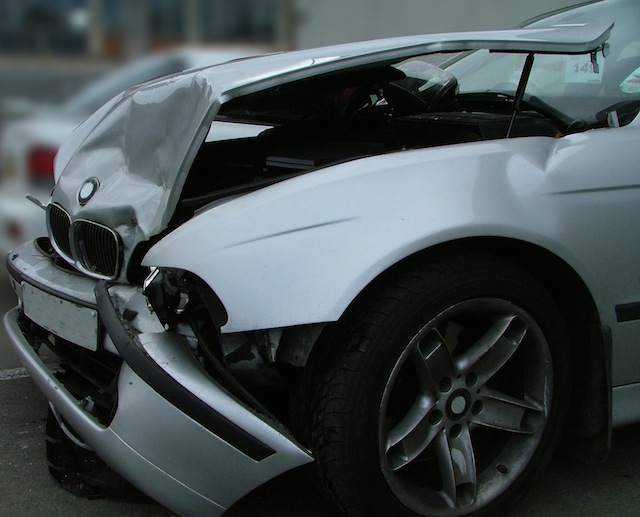
    Car crash image courtesy of jazz111 through SXC.HU

    Similar posts: