Tag: mobile

  • It’s all in the timing

    It’s all in the timing

    This morning I sat in on a corporate breakfast and heard a well known presenter talk about social media for business owners and managers.

    The advice was terrible and what was valid could have come from a 2008 book on business social media marketing.

    But the room loved it and obviously the client – a major bank – thinks the speaker’s work is worthwhile. He has a market while many of us who’ve been covering this field for a decade don’t.

    Timing is everything in business. Earlier this week stories went around the Internet about how Microsoft could have invented the first smart phone.

    Microsoft could well have done it, they tried hard enough with Windows CE devices through the late 1990s and there was also the Apple Newton and the Palm Pilot.

    While all these companies could have developed the smartphone in the 1990s it wouldn’t have mattered as neither the infrastructure or the market were ready for it.

    Had Microsoft released the smartphone in the mid 199os it would have been useless on the analogue and first generation GSM cellphone networks of the time.

    Customers were barely using the web on their personal computers, let alone on their mobile phones, so the smartphone would have been useless and unwanted.

    Ten years later things had changed with 3G networks and real consumer demand so Apple seized the gap in the marketplace left by Motorola, Nokia and the other phone manufacturers with the iPhone and now own the market.

    Apple weren’t the first to market with a smartphone, just as Microsoft weren’t the first with a Windows-style operating system and Facebook weren’t the first social media platform.

    Those who were first to the market stood by while upstarts stole the market they built.

    Plenty of people have gone broke when their perfectly correct investment strategies have been mistimed – “the market can stay irrational longer than you can stay solvent” is often proved true.

    That’s the same with the speaker this morning; he’s not the first to discover social media’s business benefits but his timing is impeccable.

    Being first is no guarantee of success if your timing is wrong.

    Similar posts:

  • Towards heterogeneous networks

    Towards heterogeneous networks

    A new idea might cut the size of many phone bills, as usual though the devil is in the detail.

    One of the hallmarks of the technology industry is the use of jargon; every few months a new buzzword or phrase comes along that captivates the industry and dominates the tech media.

    A phrase that’s going to become common in the next few months is Heterogeneous Networks, the concept that mobile phones will be able to switch between phone systems and wireless networks without the user noticing.

    Overnight the two major standards organisations agreed to work towards a common framework for phones to run these networks which also go by the name of HetNets.

    For consumers the benefit with heterogeneous networks is they can reduce costs as phones automatically switch to cheaper, and usually faster, Wi-Fi hotspots.

    The benefit for mobile phone network operators is that data demands are swamping their networks that were originally designed for voice communications. By offloading some of the load to private Wi-Fi systems they hope to manage their systems better.

    Of course one should never underestimate a telco’s desire to make a buck and most telecommunications companies see the opportunity to make a few dollars out of offering the feature.

    A major concern in putting together these systems is going to be security, using anybody’s Wi-Fi network requires a degree of trust and if a smart phone or tablet computer is accessing these without the owner knowing the risks are substantially higher.

    These risks are even higher still if the banking and telco industries manage to convince people to use their mobile phones as an electronic wallet.

    Seamlessly connecting to networks is one of the holy grails for mobile device manufacturers and software designers and it’s something that consumers will probably welcome when it becomes reliable.

    For the moment we can expect to hear breathless articles about developments in the area and the promises from suppliers about the technology.

    As usual the early adopters will leap in and suffer the usual disappointments and heartbreak that is life on the bleeding edge of technology.

    Eventually though, long after the hype has settled down, these systems will become commonplace and expected by consumers.

    Whether it makes more money for telcos though is another matter.

    Similar posts:

  • Reinventing point of sale

    Reinventing point of sale

    One of the banes of running a business computer support organisation were cash registers.

    Retail Point Of Sale (POS) systems were almost always arcane, clunky and difficult to maintain, at PC Rescue we dreaded a call from a shop, pub or hairdresser having problems with their registers.

    Frequently this was by design, the POS system supplier would try to lock in their business customers into expensive support contracts.

    By making it difficult for anybody without intimate knowledge of the product to actually do anything with it, the retailer was stuck having to hire overpriced custom support.

    To make things worse, many of the POS systems ran on outdated hardware which offered the suppliers another opportunity to hit their customers (victims?) with high support costs.

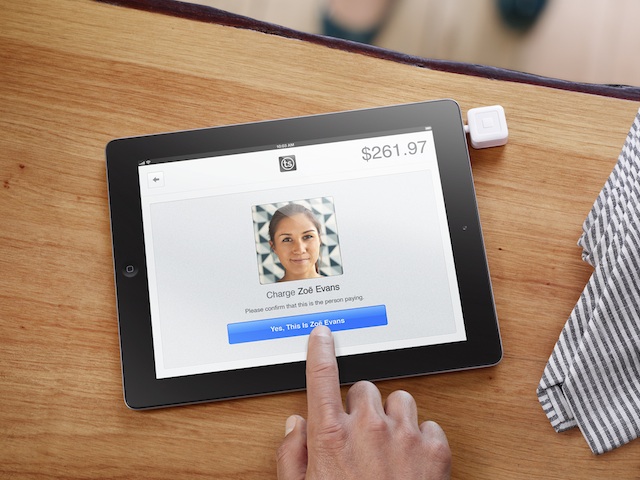
    Since the iPad was released, I’ve been waiting for an application using cloud services for a back end that challenges the existing Point of Sale systems and today US online payments system Square has announced their Square Register app.

    While only available in the US, Square has been setting the pace for physical payment systems like taxi fares and coffees using online technologies so it’s hardly surprising they are leading this push.

    The iPad as a cash register is a logical step for the device and tied in with a robust Point Of Sales platform behind a simple to use app, it will probably make a huge dent in the point of sale market.

    It may be the Square service won’t be the point of sale leader – Square is more a payments service than retail platform – which means this field is way open for some savvy operators.

    One of the concerns with the Square service, and any iPad based application, is the spectre of vendor lock-in. Being fixed on the iOS platform means there is a risk of being held hostage to Apple’s business plans, also being locked into Square’s payment systems may not be the best choice for many merchants.

    The payments and point of sale industry is another that’s being radically changed by mobile devices coupled with cloud computing. It’s not a time for incumbents to rest on their laurels.

    Similar posts:

  • The high stakes of Lumia

    The high stakes of Lumia

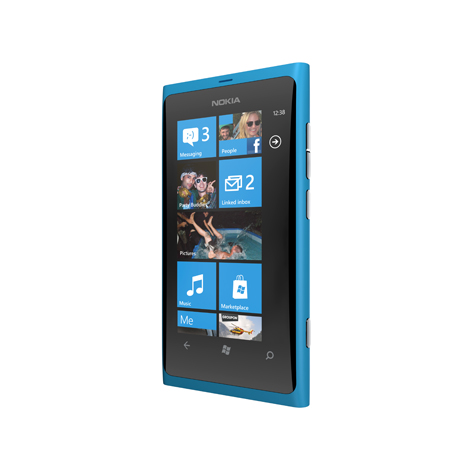
    Yesterday Nokia and Microsoft gave a preview of their upcoming Lumia 710 and 800 phones for the Australian market. It’s make or break time for both companies in the mobile space.

    The phone itself is quite nice – Windows Phone 7.5 runs quite fast with some nice features such as integrated messaging and coupled with good hardware it’s a nice experience. Those I know who use Windows Phones are quite happy with them (I’m an iPhone user myself).

    Whether its enough to displace the iPhone and the dozens of Android based handsets on a market where both Nokia and Microsoft have missed opportunities remains to be seen.

    The battle is going to be on a number of fronts – at the telco level, in the retail stores and, most importantly, with the perceptions of customers.

    Probably the biggest barrier with consumers is the perceived lack of apps, to overcome this Nokia have bundled in their Maps and Drive applications while Microsoft include their Mixed Radio streaming features along with Microsoft Office and XBox integration.

    As well the built in services, both parties are playing up their application partners with services like Pizza Hut, Fox Sports and cab service GoCatch. Although all of these are available on the other platforms.

    While application matter, the real battle for Nokia and Microsoft is going to be in the retail stores where the challenge shouldn’t be underestimated.

    Apple dominate the upper end of the smart phone market and Android is swamping the mid to low end. How Windows Phone devices fit remains to be seen.

    In Australia, if they going to find salvation it will be at the tender hands of the telco companies.

    The iPhone is constant source of irritation for the telcos as not only do Apple grab most of the profit, but they also “own” the customer.

    On the other hand, Android devices are irritating customers who are bewildered by the range of choices and frustrated by inconsistent updates that can leave them stranded with an outdated system.

    So the Windows Phone does have an opportunity in the marketplace although one suspects commissions and rebates will be the big driver in getting sales people at the retail coal face to recommend the Microsoft and Nokia alternatives.

    Overall though, it’s good to see a viable alternative on the market. For both Microsoft and Nokia the stakes are high with the Lumia range – it could be Nokia’s last shot – so they have plenty of incentives to get the product right.

    Microsoft has consistently missed the boat on mobile computing since Windows CE was launched in 1996 while Nokia were blind-sided by the launch of the iPhone in 2007 and have never really recovered.

    To make things worse for Nokia, the market for basic mobile phones where they still dominate is under threat from cheap Android based devices. So even the low margin, high volume market isn’t safe.

    For both, the Lumia range is critical. 2012 is going to be an interesting year in mobile.

    Similar posts:

  • Why the Microsoft Faithful are wrong about Windows Phone

    Why the Microsoft Faithful are wrong about Windows Phone

    Late last year an event organiser recounted how she’d been told to only approaching Microsoft for event sponsorship if the occasion was related to mobile telephony as “all of our marketing budgets are focused on Windows Phone.”

    So it wasn’t a surprise to read at the beginning of this year that Microsoft were allocating $200 million for marketing Windows Phone in the US alone.*

    The Consumer Electronics Show is the high temple of tech journalism with thousands flying in from around the world to breathlessly report on the latest wide screen gizmo or mobile device

    At the 2010 show, 3D television was going to be the big consumer item while at the 2011 event it was going to be Android based tablets that were going to crush the Apple iPad.

    Despite the millions of words written and spoken about these products, both flopped. So it was no surprise we were going to see plenty of coverage of Microsoft given the budgets available and it being the last time Microsoft’s CEO, Steve Ballmer, would give the CES keynote.

    Microsoft’s CES publicity blitz kicked off with a rather strange profile of Microsoft’s CEO in BusinessWeek which if anything illustrated the isolation and other worldliness of the company’s senior management.

    The PR blitz worked though with Microsoft tying for first place in online mentions during the show according to the analytics company Simply Measured.

    After the show the PR love for Microsoft continues with Business Insider having a gorgeous piece about why Windows Phone will succeed and criticising tech blogger Robert Scoble’s view that the mobile market is all about the number of apps available.

    Scoble replied on his Google+ page explaining why apps do matter and adding that most of the people he meets hate Windows Phones, the latter point not being the most compelling argument.

    The most telling point of Scoble’s though is his quoting Skype’s CEO that they aren’t developing an app for Windows Phone as “the other platforms are more important, so he put his developers on those”.

    Microsoft spent 8.5 billion dollars buying Skype and intends to lay out over $200 million promoting Windows Phone. Surely there’s a few bucks somewhere in those numbers to pay for a few developers to get Skype functionality on the new platform.

    Since writing this, Robert Scoble has issued a correction from the Skype CEO stating a version is being built for the next version of Windows Phone

    The fact Microsoft can’t organise this seems to indicate not all senior executives share the vision for Windows Phone. It’s difficult to image Google or Apple having this sort of public dissent on a key product.

    Management issues aside, Microsoft’s real problem are they are late to the mobile party and don’t have anything to gain attention.

    There’s nothing wrong about being late to the party – Apple were late to enter the MP3 player, smart phone and tablet markets – but in each case they bought something new that changed the sector and eventually gave them leadership of each sector.

    With Windows Phone, there’s so far little evidence Microsoft are going to deliver anything radically new to the sector. With Apple’s iOS and Android dominating, it’s going to be a tough slog for Microsoft and they are going to have to have to carefully spend every cent of that big marketing budget.

    At least Microsoft’s PR team is doing a great job, the challenge is for the rest of the organisation to sell it as well.

    *As an aside, it’s interesting the author of that article about Microsoft’s marketing budgets boasts how he “been sitting on this information for weeks so that Microsoft can make its big announcement at CES this coming week”. It’s good to know where Paul Thurrott thinks his responsibilities lie – certainly not with his readers.

    Similar posts: