Technology has transformed workplaces over the last century, drove huge income growth and moved many into the middle classes. Are we now seeing computers and robots displacing those middle class jobs?
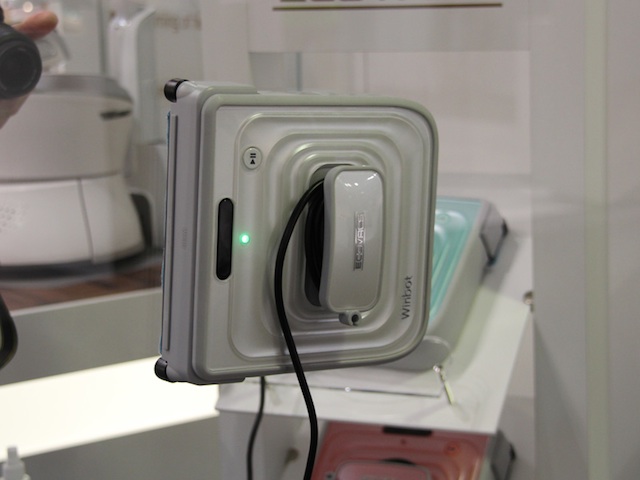
At Tech Crunch Jon Evans warns Get Ready To Lose Your Job as “this time it’s different” – unlike earlier periods of industrialisation where jobs shifted to the new technologies such coach builders became car makers – robots and computers are making humans redundant.
So I see no mystical Singularity on the horizon. Instead I see decades of drastic nonlinear changes, upheaval, transformation, and mass unemployment. Which, remember, is ultimately a good thing. But not in the short term.
In The Observer John Naughton, professor of the public understanding of technology at the Open University, says Digital Capitalism Produces Few Winners.
Professor Naughton’s view is that high volume, low margin businesses like Amazon mean there’s fewer well paid jobs available and many of the lower positions will be soon replaced by robots.
At the other end of the digital marketplace, the high margin businesses like Apple, Google and Salesforce don’t need many staff to generate their profits, so wealth is concentrated among a small group of managers and owners.
While the low paid and manufacturing workers have been squeezed for decades in the West, it’s now the turn of the middle classes to feel the pain of automation, outsourcing and restructuring.
There’s two ways we can look at these changes, the optimistic is that our economy is going through a transition to a different structure; those out of work coachbuilders a hundred years ago didn’t immediately get jobs building cars and the same adjustments are happening again.
A more pessimistic view is that the Twentieth Century was an aberration.
It may be that Western world’s steady climb into middle class prosperity was itself a transition effect and we’re returning to the economic structures of the pre-industrialised age where the vast majority of people have a precarious income and only the fortunate few can afford middle class luxuries.
The next decade will give us some clues, but the portents aren’t good for the optimistic case, the Pew Research Centre shows America’s middle classes has been shrinking for forty years.

For those Americans still in the middle class, the Pew research shows their incomes have been falling for a decade.

Regardless of which scenario is true, the dislocation is with us. As individuals we have to be prepared for changes to our jobs, however safe they look today. As a society we have to accept we are going through a period of economic and social upheaval with uncertain long term consequences.
What’s particularly notable is how today’s political and business leaders seem oblivious to these changes and are locked in the ‘old normal’ of thirty or fifty years ago.
One wonders what it will take to wake them up to the changes happening around them and what will happen when reality does bite them.
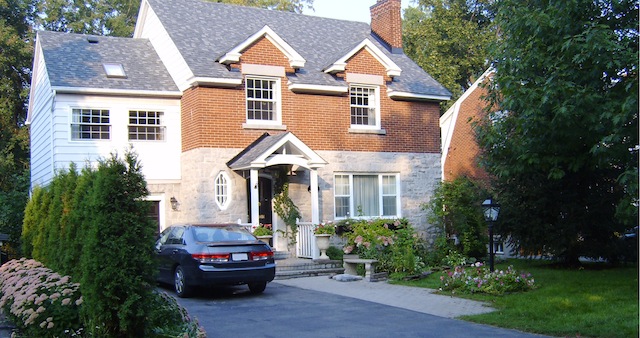
Picture of a nice, middle class house by Strev via sxc.hu