Tag: smartphones

  • Guarding your words

    Guarding your words

    US presidential candidate Mitt Romney and Australian radio commentator Alan Jones have in one thing in common – not understanding that almost every person they know is carrying a listening device.

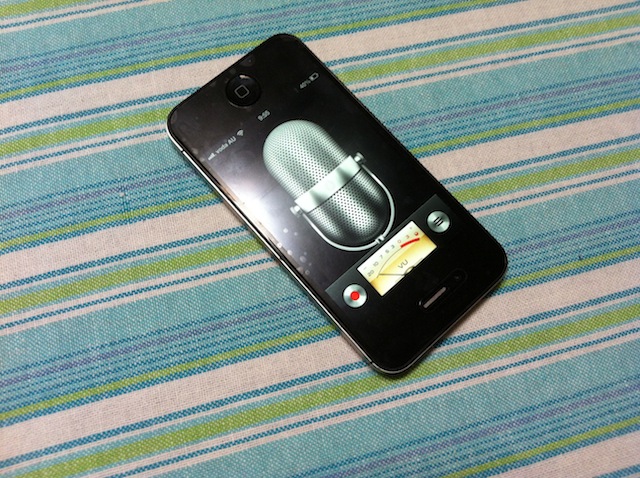
    The smartphone is a powerful tool and one of its great features is how it makes a great dictation device, you can use the built in recording applications to jot down ideas or make a record of important conversations.

    Political events are a great opportunity to record the candidates’ or speakers’ talks and this is what has caught both Jones and Romney.

    The 47% dependent on welfare slur has probably sunk Romney’s presidential campaign. At the very least it’s exposed the contradictions at the heart of the Republican agenda as they try to demonise those receiving government entitlements while trying to win the votes of older Americans who rely on state subsidies to survive.

    In many ways the US Republicans are facing the problem of electorates that believe their entitlements are sacred that all Western politicians will be grappling with over the next quarter century.

    This contradiction isn’t something either the media or the Western political classes have the intellectual capacity to deal with, so there is little chance of a rational debate on the economic sustainability of the entitlement culture.

    For Romney, this contradiction now threatens to sink his campaign.

    The Jones problem is somewhat different, this nasty little man was speaking to the next generation of Australian Liberal Party apparatchiks and the controversy about his tasteless comments will probably improve his standing in the sewer in which he floats. In the wider community outside Jones’ increasingly narrow circle of influence his comments only confirm the low opinion decent people have of this man.

    Jones though is not naive when using the media, the real naivety is among his guests. It’s been reported that before the event the audience were asked “if there were any journalists present”.

    That question being asked betrays any claim that the organisers didn’t know Jones’ comments would be offensive. It also shows how the modern political fixer misunderstands the nature of today’s media. It’s likely a recording of proceedings would have leaked out through an enthusiastic supporter showing off.

    What’s really instructive is how the kindergarten apparatchiks of the Young Liberals believe that shutting down recording devices will remove the risk of being held accountable. That mentality is pervasive through government and politics – shut down discussion and lie about what happened.

    All of these politicians have to understand something Alan Jones has known all along; that a microphone should be treated like a loaded weapon and never assumed to be turned off and safe.

    The days of what was said to the Poughkeepsie Chamber of Commerce or the Cootamundra Country Womens Association not being reported outside the local community are long gone. If you don’t want something broadcast nationally, then don’t say it.

    On balance, this is good for democracy and leadership as it makes all politicians – and business leaders – far more accountable and transparent.

    Accountability and transparency are anathema to the apparatchiks who run the political parties of the Western world. These people, despite their access to power, are ultimately going to be found wanting in a world where there is a recording device in almost every person’s pocket.

    There are genuine privacy concerns with smartphones but for business and political leaders the days of “speaking with a forked tongue” are over. This is not a bad thing.

    Similar posts:

  • I’m not paid to have doubts

    I’m not paid to have doubts

    The Seattle Times has an interesting interview with Microsoft CEO Steve Ballmer this weekend where he discusses what has been one of the biggest years ever for his company.

    Midway through the Seattle Times story there’s a telling exchange.

    Q: What is Microsoft’s plan if Windows 8 doesn’t take off?

    A: You know, Windows 8 is going to do great.

    Q: No doubt at all?

    A: I’m not paid to have doubts. (Laughs.) I don’t have any. It’s a fantastic product. …

    There is no plan B – Windows Phone is running late and their hardware partner Nokia is looking more foolish every day. Last week not only did they flub the launch of their latest phone, but they also managed to alienate the world’s tech media at the event.

    It’s nice not to have doubts, but from outside the comfortable corporate headquarters Microsoft looks like they are struggling in this space.

    Steve Ballmer might be more credible if he did admit to doubts and at least hint there is a plan B in their smartphone strategy.

    Companies need leaders with doubts – doubts about their strategy, about their managers, about the economy and – most importantly – about their own infallibility.

    One of the worst aspects of 1980s management ideology was the myth of the CEO superstar. Too many good businesses have been destroyed, and too much damage done to the global economy, by senior executives who have believed in their own infallibility.

    Some doubts might help a business, particularly when that company is struggling with some serious threats.

    Similar posts:

  • Driving Windows 8

    Driving Windows 8

    Microsoft today released their preview edition of Office 2013, the product that underpins the company’s dominance of the business IT sector.

    Users sticking with an older version of Windows hurt Microsoft’s bottom line and one of the key parts of the company strategy with Office is to drive adoption of the latest operating systems which usually means buying new computers.

    The problem for Microsoft is that there has been no real compelling reason for users to upgrade for a decade since the release of Office 2003.

    Coupled with the failure of Microsoft Vista, this had damaged the PC industry’s model of users upgrading computers every three to five years.

    Microsoft would be hoping the cloud integration features, the same versions on desktops, tablets and smartphones coupled with keen prices will be enough to make contented XP users make the jump to Windows 8 and buy a new computer as well.

    Whether it does will depend on the market caring – if users simply don’t care about Office 2013, let alone Windows 8 on either desktops or smartphones, then Microsoft will struggle.

    Unfortunately for Microsoft, the era where they could dictate what people used on their computers is over and that could be their biggest management challenge of all.

    Similar posts:

  • It’s all in the timing

    It’s all in the timing

    This morning I sat in on a corporate breakfast and heard a well known presenter talk about social media for business owners and managers.

    The advice was terrible and what was valid could have come from a 2008 book on business social media marketing.

    But the room loved it and obviously the client – a major bank – thinks the speaker’s work is worthwhile. He has a market while many of us who’ve been covering this field for a decade don’t.

    Timing is everything in business. Earlier this week stories went around the Internet about how Microsoft could have invented the first smart phone.

    Microsoft could well have done it, they tried hard enough with Windows CE devices through the late 1990s and there was also the Apple Newton and the Palm Pilot.

    While all these companies could have developed the smartphone in the 1990s it wouldn’t have mattered as neither the infrastructure or the market were ready for it.

    Had Microsoft released the smartphone in the mid 199os it would have been useless on the analogue and first generation GSM cellphone networks of the time.

    Customers were barely using the web on their personal computers, let alone on their mobile phones, so the smartphone would have been useless and unwanted.

    Ten years later things had changed with 3G networks and real consumer demand so Apple seized the gap in the marketplace left by Motorola, Nokia and the other phone manufacturers with the iPhone and now own the market.

    Apple weren’t the first to market with a smartphone, just as Microsoft weren’t the first with a Windows-style operating system and Facebook weren’t the first social media platform.

    Those who were first to the market stood by while upstarts stole the market they built.

    Plenty of people have gone broke when their perfectly correct investment strategies have been mistimed – “the market can stay irrational longer than you can stay solvent” is often proved true.

    That’s the same with the speaker this morning; he’s not the first to discover social media’s business benefits but his timing is impeccable.

    Being first is no guarantee of success if your timing is wrong.

    Similar posts:

  • The tough world of smartphones

    The tough world of smartphones

    Dell’s announcement they are going to exit the Smartphone business – for the second or possibly even third time – comes on the same day Nielsen release a survey showing smartphones are now the bulk of US mobile phone purchases.

    For Dell this shows the problem they have in being locked into the commodity PC business, what was once a lucrative business is now suffering softening margins and slowing sales. In desperation they are looking to other product lines but struggle to differentiate themselves in other markets.

    The difficulties of doing this in the smartphone sector is shown in Nielsen’s analysis of what phones are selling.

    Of those sold in the last three months, a whopping 43% were Apple products while 48% were Google Android devices.

    Even more frightening in those Nielsen figures is Blackberry’s collapse where the Canadian product has 12% of the market but only 5% of sales in recent months. It’s little wonder Blackberry’s owner RIM is laying off senior managers.

    For Microsoft, that only 4% of phones were “other” than Android, Apple or RIM show just how tough the task of selling Windows Phone is going to be, something that won’t be helped with dumb marketing stunts.

    Google’s apparent success in mobile isn’t all that it seems either; while the Android platform has nearly half the smartphone market it doesn’t appear to be particularly profitable.

    The Guardian’s Charles Arthur looked at a number of legal cases involving Google’s mobile patents and extrapolated the claimed damages to get an estimate of how much Google earns from Android.

    Arthur estimates Android has earned Google $543 million dollars between 2008 and 2011 which, given Google’s mobile revenues last year were claimed to be $2.5 billion last year, indicates Google makes more money from Apple devices than it does from its own products.

    While Arthur’s estimates are debatable, they show how Apple’s profits dominate the smartphone market. Google, like Dell in computers, are locked into the commodity, low margin end of the market.

    Just as Dell have learned that entering new markets doesn’t guarantee success, Google may have to learn the same lesson.

    To be fair to Google, at least management are aware of being too dependent upon one major source of revenue.

    Whether mobile services built around the Android platform can provide an alternative cashflow of similar size to their web advertising services remains to be seen.

    Similar posts: