
Tag: windows

  • Microsoft TechEd Australia 2012

    Microsoft TechEd Australia 2012

    2012 is the year that will define Microsoft as the market place they have dominated moves to tablet computers and smart phones.

    The challenge for Microsoft is how they migrate their desktop and server products to the platforms dominated by Amazon, Google and Apple.

    At this year’s TechEd Australian conference the pressure is on Microsoft to present how they will deal with this challenge from tablet computers, mobile phones and cloud computing.

    The big ticket item is the Windows phone. After the disastrous launch of the Nokia Lumia 920, Microsoft has to convince the market place they have a viable competitor to the iPhone and the plethora of Google Android devices.

    Microsoft have taken the opposite strategy to Apple in trying to offer the same operating system on all their devices. If Windows 8 can run on all systems then they have a chance of locking high margin corporate users onto their platforms.

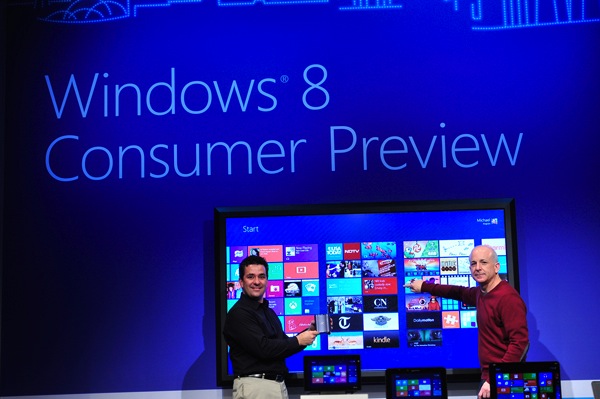
    Windows 8 itself has to have a compelling story to tell. Much of Microsoft’s future relies upon a successful rollout of the new operating system that meets the demands of both consumers and businesses. Users increasingly expect social media and cloud computing services to be integrating into their systems.

    Cloud computing is an important part of Microsoft’s corporate strategy and how the new version of Windows Server delivers on the business requirements of using cloud services will be an important factor in the product’s success.

    One of Microsoft’s most profitable product lines has been their Office suite of applications. Margins on Office have been under pressure since the release of the free Google Docs suite and the corporate Google Apps product.

    The advantage Microsoft have in the office productivity market is their products have the full range of feature business users need and Google, and Apple, have struggled to include these tools in their products.

    With new versions of Office, Server, Phone and Windows all being released Microsoft have a lot of stories to tell and the stakes for the software giant are huge. It’s going to be an interesting few days at the Gold Coast Convention Centre.
    Similar posts:

  • Windows 8 to launch on October 26

    Windows 8 to launch on October 26

    It’s official, Windows 8 has an October 6, 2012 release date.

    For Microsoft, the pressure is now on. Not only does the desktop version have to be shipped but also the smartphone and tablet versions. Their cloud services are going to have to be flawless on the day Windows 8 goes live.

    The tablet version is doubly important as Microsoft has to convince cynics like me that the Microsoft Surface is not vapourware. With the Surface RT scheduled for release with Windows 8, Microsoft are going to have to announcing pricing and final specifications very soon. Reports are that the Surface is beginning to appear on Amazon sites so release may not be far away.

    Nokia too will now be under a lot of pressure as releasing credible Windows 8 are the only hope for the company’s future. As it is, the current range of Lumia phones are now dead in the water despite massive discounts.

    As we’ve previously discussed, Windows 8 is essential to Microsoft’s market position and will define their future – a failure will almost certainly lock the once dominant software giant to a another lost decade.

    We’ll see a lot advertising and PR hype around Windows over the next few months, the real test will come at the end of October and with the Christmas buying season.

    By the middle of next year we’ll have a good idea of just how successful Windows 8 will be. Steve Ballmer’s future depends upon it.

    Similar posts:

  • Driving Windows 8

    Driving Windows 8

    Microsoft today released their preview edition of Office 2013, the product that underpins the company’s dominance of the business IT sector.

    Users sticking with an older version of Windows hurt Microsoft’s bottom line and one of the key parts of the company strategy with Office is to drive adoption of the latest operating systems which usually means buying new computers.

    The problem for Microsoft is that there has been no real compelling reason for users to upgrade for a decade since the release of Office 2003.

    Coupled with the failure of Microsoft Vista, this had damaged the PC industry’s model of users upgrading computers every three to five years.

    Microsoft would be hoping the cloud integration features, the same versions on desktops, tablets and smartphones coupled with keen prices will be enough to make contented XP users make the jump to Windows 8 and buy a new computer as well.

    Whether it does will depend on the market caring – if users simply don’t care about Office 2013, let alone Windows 8 on either desktops or smartphones, then Microsoft will struggle.

    Unfortunately for Microsoft, the era where they could dictate what people used on their computers is over and that could be their biggest management challenge of all.

    Similar posts:

  • ABC Nightlife Computers: The state of tech

    ABC Nightlife Computers: The state of tech

    Join Paul and Tony Delroy to look at some of the trends and events that are affecting how you use phones, computers and internet in your home or business.

    A lot’s happened in the tech world over the last few weeks – Facebook has gone from the web’s golden business to being shunned, new tablet computers have been launched and we’ve had a virus threaten to knock people off the Internet.

    If you missed the show, you can listen to it online through the Nightlife website. Some of the topics we looked at included;

    • So what was the DNS Changer Trojan? Did the FBI really take over a criminal computer network?
    • Could a virus really damage computers and bring the Internet to a halt?
    • Is it true the US, Israel and North Korea are using viruses to attack other countries’ computers?
    • Should we worry about viruses on smartphones and tablet computers?
    • What about virus hoaxes? There’s a good one going around about Facebook at the moment?
    • Both Microsoft and Google have launched new tablet computers, will they knock off the iPad?
    • Microsoft’s tablet is going to run the new Windows 8 operating system, how does that look?
    • Facebook seems to have gone from hero to zero since they launched on the stock market. What happened?
    • There’s been some pretty serious Facebook privacy changes recently, what should people watch out for?
    • Microsoft have had some big security updates this week, what are they.

    For the Microsoft updates we mentioned, the major security updates can be downloaded from the Windows Update page or the Automatic Updates in Windows Vista and 7.

    Windows 7 and Vista users should also disable the desktop widget feature, Microsoft have two fix it tools available for download and users should run both.

    Listeners questions included the following problems;

    Alternatives to Outlook Express

    George was looking at upgrading to a new version of Windows that doesn’t have Outlook Express included but still wants a computer based email client rather than trusting a cloud service.

    Some of the alternatives include;

    Antivirus programs

    Margaret asked about antivirus options for Macs, there’s a couple of free antivirus programs designed for the Apple Mac

    For Windows users, the easiest free anti-virus to use is Microsoft Security Essentials.

    Microsoft Silverlight on Android

    Accessing Microsoft Silverlight based services like NineMSN on Google Android devices can be a problem as Jason found.

    Unfortunately at this stage there’s no clear solution for playing Silverlight sites on Android devices as Moonlight, the open source Silverlight player has been abandoned.

    Next Nightlife spot

    Our next Nightlife tech spot will be on August 6 and we’ll decide the topics closer to the dates. Watch the website for details over the next few weeks.

    Similar posts:

  • Dealing with the DNS Changer Trojan

    Dealing with the DNS Changer Trojan

    On Monday, thousands of computers around the world will be cut off the web as the servers behind the DNS Changer Trojan Horse are shut down.

    The DNS Changer did exactly what the name says – it changed a computer’s Domain Name Service (DNS) settings so that all web traffic went through servers belonging to the virus writers.

    Eventually the writers were caught and the computers were seized, in order to avoid disruption the servers were left running but they will be shut down on Monday.

    On Monday, those computers still infected won’t be able to surf the net until the problem is fixed.

    How Do I Know I’m infected?

    As part of the Shutdown, the DNS Changer working group was set up. On their site they have a  detection tool website that will tell you if your computer is infected.

    How can I fix the problem?

    The easiest fix is with the Microsoft Malware Scanner which will check your computer for the DNS Changer virus along with other malware. If the scanner detects a problem it will remove the virus. IT Queries also have instructions on Removing A Trojan.

    To prevent further infections, it’s necessary to install an up to date anti virus. A good free one is the Microsoft Security essentials tool.

    The DNS Changer Trojan was very effective malware and it illustrates why computer users need to be careful of where they go on the mean streets of the Internet.

    Similar posts: