Author: Paul Wallbank

  • Dodging an internet apocalypse

    Dodging an internet apocalypse

    There’s nothing a like a little hiccup to the internet to bring the tech charlatans and other coackroaches out of the woodwork, although wiser heads are now starting to prevail.

    Sam Biddle’s article in Gizmodo, the last link in the above paragraph, is a good overview of how the internet wasn’t “shaken to the core” by a childish spat between two groups of self-righteous geeks.

    It’s worthwhile keeping non-events like this in mind the next time you read a breathless article about an evil hacker, cyber terrorist or rogue regime threatening to bring the online world down.

    What’s really disappointing with hysterical stories like this is there are real risks to the internet, ranging from telephone exchanges burning down, divers cutting subsea cables to solar flares toasting the planet’s electronics.

    Interestingly, 2013 is predicted to be a year of intense solar activity. So we might get to test some of the doomsday scenarios.

    Fear, Uncertainty and Doubt (FUD) is the main marketing tool of the technology scoundrel, events like the online squabble of the last few days bring out those scoundrels.

    The irritating thing with these people is their snake oil rarely addresses the real risks we have to deal with.

    Watch out for them, they want to scare you into buying something.

    Similar posts:

  • Three screens, one screen

    Three screens, one screen

    One of the points that came out of Blackberry’s Z10 launch last week was CEO Thorsten Heins’ talking about the company’s ‘one screen’ strategy.

    Blackberry sees the smartphone as being the centre of people’s computer usage with them replacing personal computers and tablets as the main computing tool.

    This is at odds with the rest of the phone and computer industries who are struggling with managing the three or four devices that most people use.

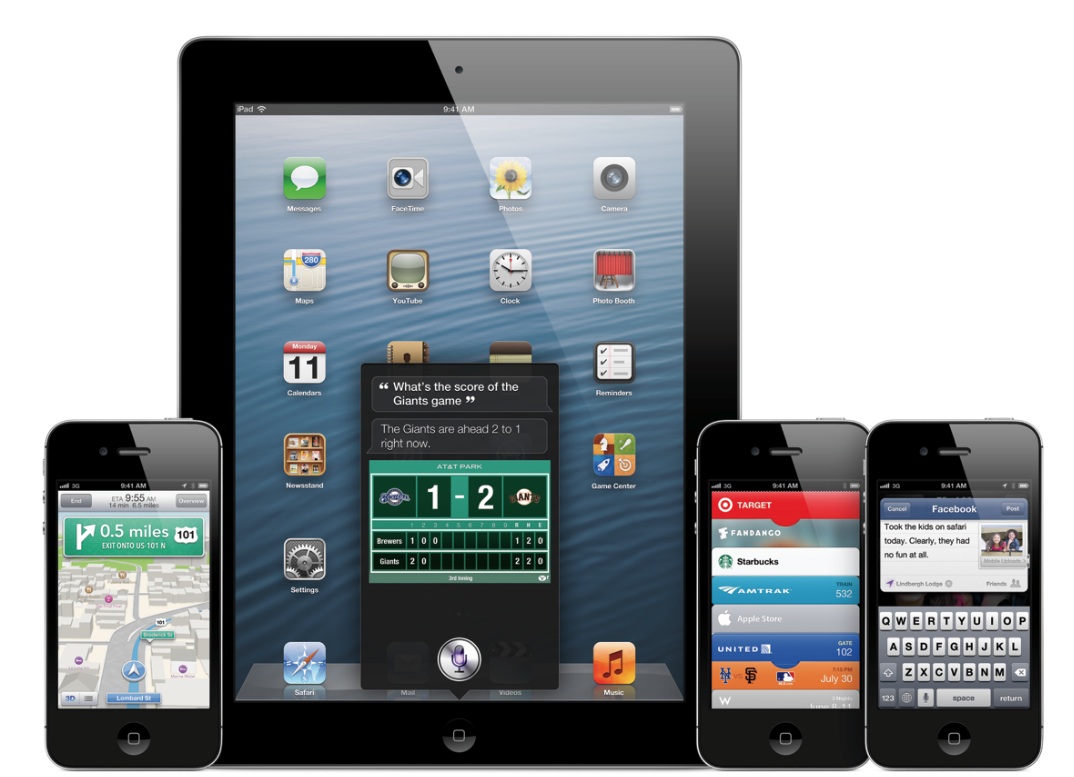
    Apple overcame this by having different operating systems – OS X and iOS – and even then the mobile iOS is subtly forked for the different ways people use tablets versus  smartphones.

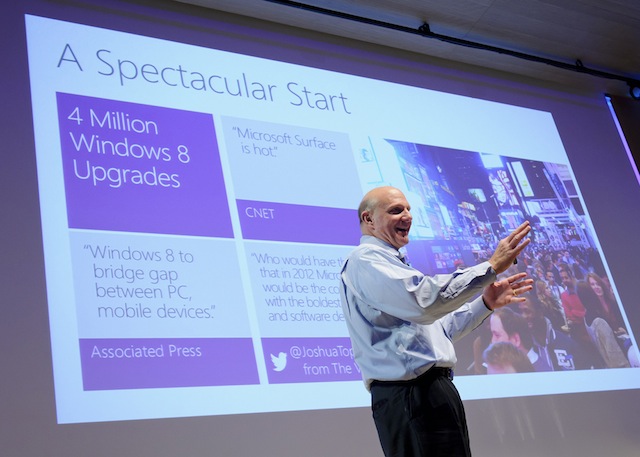
    With Windows 8, Microsoft chose to go the opposite way with an operating system which works on all devices. Sadly it doesn’t seem to have worked.

    Blackberry’s strategy is to assume smartphones will be their main communications device. It’s a big bet which doesn’t align with what seems to be experience of most people.

    Over the last few years Blackberry’s smartphone market share has collapsed from 40% to 4%, so it’s the time for brave bets although its hard to see that customers will use smartphones instead of PCs or tablets is the right call.

    It’s an interesting question though – can you see your smartphone being your main computer?

    Similar posts:

  • A question of relevance – why the PM welcomes bloggers

    A question of relevance – why the PM welcomes bloggers

    The Prime Minister’s courting of bloggers in the run up to the Australian Federal election later this year shows how credibility and relevance are most important assets for any media outlet.

    Late last year the Prime Minister invited bloggers to Kirribilli House for lunch then to dinner during her Rooty Hill adventure a few weeks ago.

    The press gallery grumbled and wrote patronising articles about North Shore mummy bloggers but failed to recognise the real threat to the established media outlets – these writers are more relevant to people’s lives than the machinations of ‘anonymous political sources’, sports stars or Hollywood celebrities.

    Now the Prime Minister is giving one on one exclusive interviews to some of those bloggers, something that will irritate the nation’s political journalists even further.

    Old media’s loss of relevance

    The press galleries’ problem though is relevance, which lies at the heart of any successful media outlet.

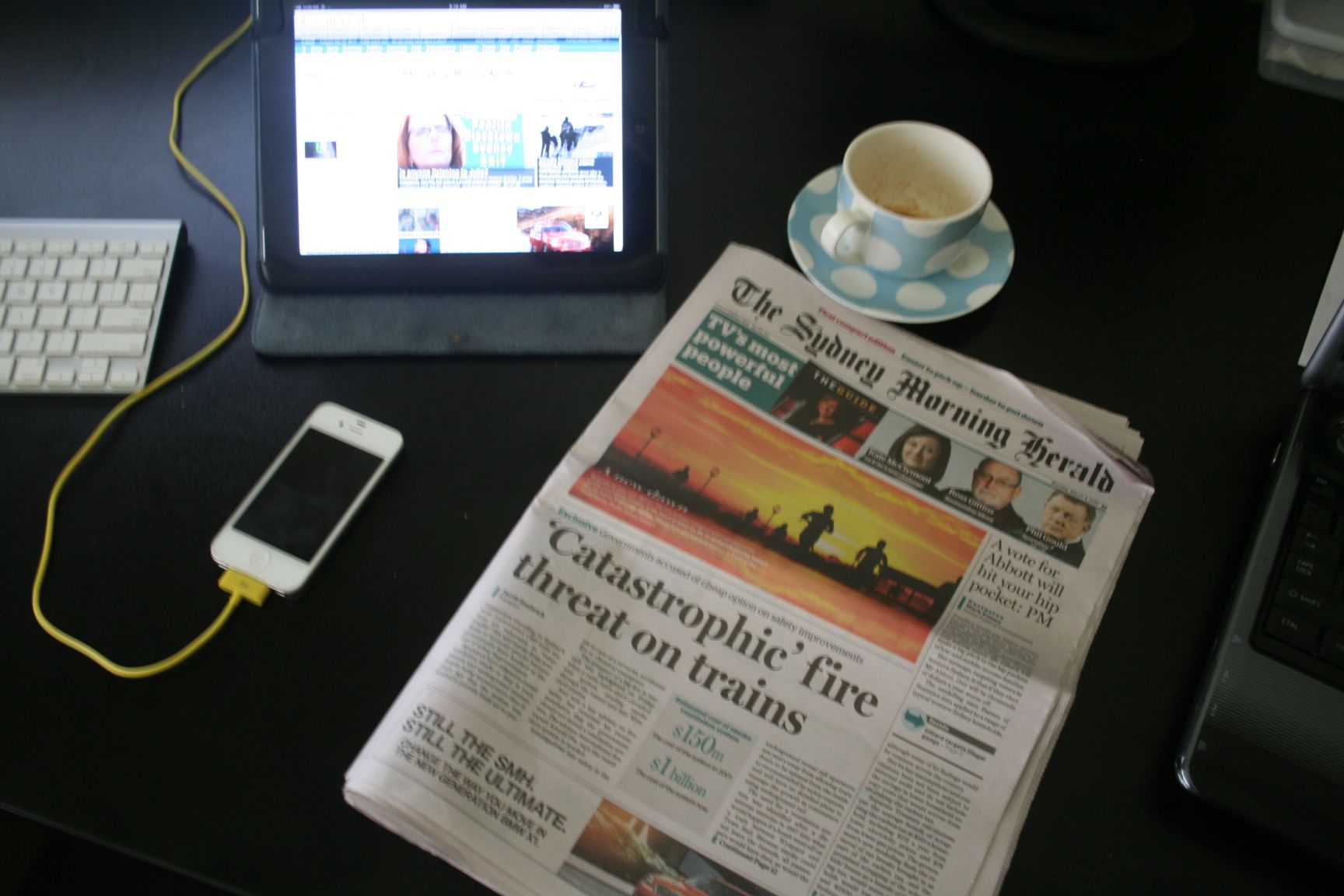
    In 1831 when The Sydney Herald’s first edition was published, the front page was made up of advertisements and shipping notices as it was with all newspapers of the time.

    That was relevant to the readers, they paid 7d – not an insubstantial amount in 1831 – to find out the latest in shipping movements, real estate sales and livestock prices which were essential to life and business in the colony.

    It wasn’t until 1944 that the now Sydney Morning Herald moved news to the front page, the London Times held out until 1966. What was now relevant to readers were photos and wire stories from around the world.

    Papers continued to do well despite the introduction of radio in the 1930s and TV in the 1950s because they were continued to be relevant to their readers. If you were looking a job, a house or where to take your mum for her 60th birthday then the local newspaper was the place to look.

    The shift to sensationalism

    In the 1980s all the media – newspapers, TV and radio stations – started a shift to sensationalism and infotainment and steadily all became less relevant to the populations they served.

    At the time media outlets got away with it as there was no-where else for people to get news. If you didn’t like stories about Princess Di’s wedding dress then you had to curl up in the corner with a good book.

    Then the web came along.

    All of a sudden engaged readers could get relevant information from all over the world.

    With social media and blogs, reporting Kim Kardishian’s latest wardrobe malfunction raised a ‘so what’ from an audience that learned about it two days ago on TMZ, the Huffington Post or Facebook.

    Making matters much, much worse were the advertising rivers of gold moved to specialist websites and Google.

    Newspaper executives found their revenues were evaporating and they worked their way deeper into the quicksand by cutting costs in the areas where their editorial strengths lay, making them even less relevant to the readerships they want to serve.

    Relevant lifestyles

    Today the mummy bloggers – along with the food bloggers, travel bloggers and political bloggers – are attracting  audiences with relevant, useful content that the audience can engage with.

    Last week’s embarrassing circus in Canberra was an example of how irrelevant the media, and much of politics, has become to the average Australian.

    Indeed it’s interesting to contrast the self important Canberra press gallery pushing non-stories while fawning over their discredited ‘anonymous party sources’ with the genuinely questioning tone of the some of the bloggers.

    So the mainstream, established media can kiss the mummy bloggers’ backsides; if they can’t find relevance in today’s society then they may as well shut up shop.

    For politicians relevance is important too – political parties that pitch themselves to 19th Century class struggles or 1980s corporatist ideologies are as irrelevant to today’s society as the Soviet Communist Party.

    It would serve the Prime Minister and her staff well to listen closely to what the mummy bloggers and their readers are saying.

    Similar posts:

  • The Five Stages of abandoning a product

    The Five Stages of abandoning a product

    Killing a technology product is never a clean process, as Google well know. Microsoft show the way to deal with a failed project and we’re seeing their five stages of abandoning a product as they prepare to retire Windows 8.

    The stages of Microsoft are abandoning a product are well known – the failure of Microsoft Vista is the best example, but not the only one.

    As Microsoft smooths Window 8’s pillow and prepares for its imminent demise we can see the process at work.

    Denial

    At first the company denies there is a problem, the flashy advertising campaigns are boosted and the various ‘in the camp’ commentators get informal briefings from company evangelists to fuel their snarky columns about people getting Microsoft’s latest product all wrong.

    This usually goes on for around six months until the market feedback that the product is dog becomes overwhelming – usually this happens at the same time the first reliable sales figures start appearing.

    Anger

    As the consensus in the broader community becomes settled that the new product isn’t good, the company’s tame commentators turn nasty and lash out at the critics for ‘misrepresenting’ the new product.

    This is usually a touchy period for Microsoft and other vendors as they can’t risk being too aggressive but they have to allow their allies to both let off steam and try to recover the credibility they lost in hyping what’s clearly been a market failure.

    Bargaining

    Once it’s clear the perceived wisdom that the product isn’t very good isn’t going to be shaken, the vendor comes out with special offers and pricing changes to try and coax users over to the new service.

    With Windows 8 Microsoft tried something unusual, rather than cutting prices, Microsoft announced they would increase the cost of Windows 8.

    The idea was probably to panic people into buying the product and giving Microsoft a revenue and market share bounce for the quarter.

    It didn’t work – the consensus that Windows 7 is a better product meant people stayed away.

    Depression

    As the realisation that pricing tweaks and promotional stunts won’t work sends the company, and its supporters, into a funk.

    For experienced industry watchers, the silence around a product that’s been heavily hyped and defended for the previous year or two is a good indication that the next version is being accelerated.

    Acceptance

    Eventually the vendor accepts the product has failed and starts working on its own exit strategy – hopefully one that doesn’t see too many executives sacked.

    With Microsoft’s this process starts with a quiet announcement that the replacement version of Windows is on the way, in this case Windows Blue.

    At the same time, the tame commentators start talking about ‘leaks’ of the wonderful new system that is in the pipeline. Early beta versions of the new product start popping up in developers’ forums and file sharing sites.

    Eventually you get stories like this one that appeared in The Verge yesterday – Windows Blue leaks online and we can be sure the Microsoft public relations machine has subtly moved onto the next version.

    Vale Windows 8

    So Windows 8 is coming to an early end. In one way this is a shame as it was a brave gamble by Steve Ballmer and his team to solve the ‘three screen’ problem.

    Computer users today are using three or more screens or devices – a desktop, a smartphone and a TV or tablet computer.

    Microsoft were hoping they could develop a system that unified all these platforms and gave users a common experience regardless of what they were using.

    It appears to have failed, probably because the different devices don’t have the same user experience so a keyboard based system doesn’t work on a touchscreen while a touch based system sucks really badly on a desktop or laptop computer – which is Windows 8’s real problem.

    Unrealistic expectations

    Another problem for Microsoft were the unrealistic expectations that Window 8 would halt the slide of personal computer sales.

    PC manufacturers have been baffled by the rise of smartphones and tablet computers – vendors like Dell, HP and Acer have miserably in moving into the new product lines and they hoped that Microsoft could help arrest their market declines.

    This was asking too much of Windows 8 and was never really likely.

    So the cycle begins again with Windows Blue, the question is whether it will be the last version of Windows as we move further in the post-PC era.

    Similar posts:

  • Privileges and princelings

    Privileges and princelings

    A strange thing about Australian business reporting is that its often full of gossip and name dropping as any third rate scandal magazine.

    In a perverse way, treating business executives like the Kardashians gives the average mug punter – and shareholders – a glimpse into how these companies do business. Like this story in the Australian Financial Review;

    Hamish Tyrwhitt was unaware of the latest drama unfolding within the Leighton board as he relaxed in the Qantas First Class Lounge in Sydney on Friday morning.

    Indeed, the contractor’s chief executive officer was busy chatting to former Wallabies captain John Eales while waiting to board a flight to Hong Kong where he was due to close a recent deal to build the Wynn Cotai hotel resort in Macau and enjoy the Sevens rugby tournament.

    The timing was not good. Tyrwhitt had only just boarded the flight when the news broke that chairman Stephen Johns and two directors had resigned. Tyrwhitt was forced to change his plans and is expected back in Sydney for a board meeting convened this weekend.

    Nice work if you can get it.

    A few pages further in the day’s AFR is another gem;

    One July evening about four years ago, off the south coast of France between Cannes and St Tropez, two men sat in the jacuzzi on the top deck of a 116-foot Azimut motor yacht. It was about 3am and the sea was rough. The spa water was sloshing about and had given the latest round of caprioskas a distinctly bitter taste.

    Dodo boss Larry Kestelman was telling his good friend, M2 Telecommunications founder Vaughan Bowen, about the challenges of growing his internet service provider business.

    It’s tough doing business when the spa waters are choppy. One expects better from a seven million dollar boat.

    That second article raises another point that’s often overlooked, or unmentioned, when reporting Australian business matters.

    on Thursday the 14th, something unexpected happened. At 12.30pm, after no activity all morning, shares in the thinly traded Eftel started to rise sharply. By the time the market closed at 4pm, Eftel had soared 44 per cent to 39.5¢. Someone with knowledge of the deal was insider trading.

    Insider trading? On the Australian Security Exchange? Somebody had better call those super-efficient regulators who were responsible for Australia cruising through the global economic crisis of 2008.

    Somebody obviously wanted their own 116ft luxury yacht or corporate box at the Hong Kong Sevens.

    Both of these stories illustrate the hubris and privileges of corporate Australia and its regulators.

    One wonders how well equipped these organisations are for an economic reversal when their leaders are more worried about caprioskas and their spots in the first class lounge.

    We may yet find out.

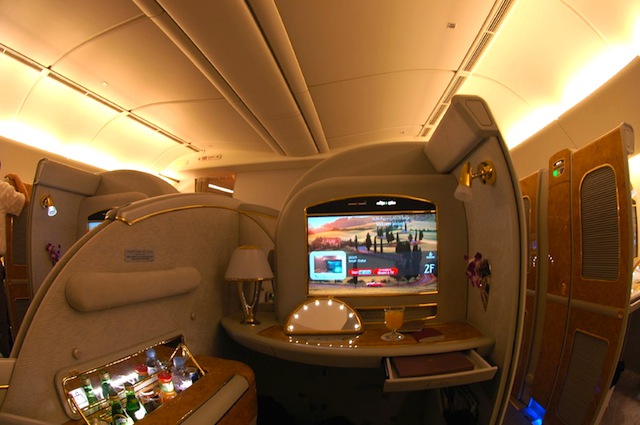
    First class airline seat images courtesy of Pyonko on Flickr and Wikimedia.

    Similar posts: