Author: Paul Wallbank

  • Taking care of our own

    Taking care of our own

    “The council ought to do something” growled a friend who’d been stuck in a peak hour traffic jam.

    That innocuous comment illustrates the fundamental challenge facing the developed world’s politicians – that we expect our governments to fix every problem we encounter.

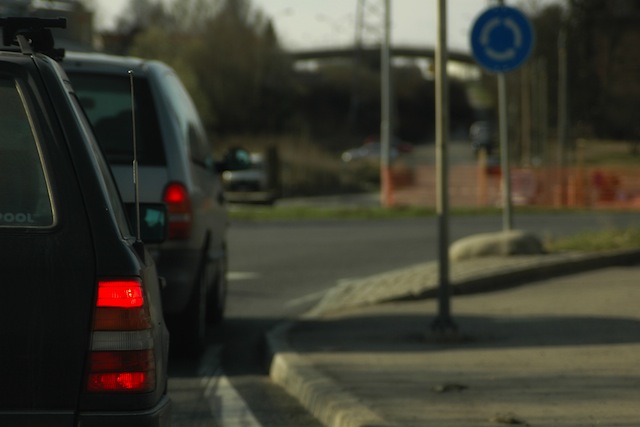
    In the case of the local traffic jam, the cars creating gridlock are parents driving their children to two nearby large private schools.

    Despite the problem being caused by the choices of individuals – those decisions to send their kids to those schools and to drive them there – our modern mindset is “the government aught to do something” rather than suggesting people should be making other choices.

    Socialising the costs of our private decisions is one of the core beliefs of the 1980s mindset.

    Eventually though the money had to run out as we started to expect governments to solve every problem.

    We’re seeing the effects of this in the United States where local governments are now having pull up black top roads, close schools and renege on retirement funds as those costs become too great.

    As a society we have to accept there are limits to what governments can do for us.

    Increasingly as the world economy deleverages, tax revenues fall and the truth that a benign government can’t fulfill our every need starts to dawn on the populace, we’ll realise that expecting politicians and public servants to save us is a vain hope as they simply don’t have the resources.

    Bruce Springsteen puts this well in his song “We Take Care Of Our Own.”

    The truth today is the cargo cult mentality of waiting for governments or cashed up foreigners to come and save us is over.

    We’re going to have to rely more on our own businesses, families and communities to support us in times of need.

    The existing institutions of the corporate welfare state are beginning to collapse under the weight of their own contradictions.

    Joe Hockey knows this, but as a paid-up agent of the establishment he doesn’t dare nominate the massive cuts to middle class welfare and big business subsidies that are necessary to reform those institutions.

    Waiting for the council to fix the local roundabout is nice but it doesn’t address the bigger problems.

    It’s up to us to build the new institutions around our local communities and families. This is not a bad thing.

    Similar posts:

  • It’s all in the timing

    It’s all in the timing

    This morning I sat in on a corporate breakfast and heard a well known presenter talk about social media for business owners and managers.

    The advice was terrible and what was valid could have come from a 2008 book on business social media marketing.

    But the room loved it and obviously the client – a major bank – thinks the speaker’s work is worthwhile. He has a market while many of us who’ve been covering this field for a decade don’t.

    Timing is everything in business. Earlier this week stories went around the Internet about how Microsoft could have invented the first smart phone.

    Microsoft could well have done it, they tried hard enough with Windows CE devices through the late 1990s and there was also the Apple Newton and the Palm Pilot.

    While all these companies could have developed the smartphone in the 1990s it wouldn’t have mattered as neither the infrastructure or the market were ready for it.

    Had Microsoft released the smartphone in the mid 199os it would have been useless on the analogue and first generation GSM cellphone networks of the time.

    Customers were barely using the web on their personal computers, let alone on their mobile phones, so the smartphone would have been useless and unwanted.

    Ten years later things had changed with 3G networks and real consumer demand so Apple seized the gap in the marketplace left by Motorola, Nokia and the other phone manufacturers with the iPhone and now own the market.

    Apple weren’t the first to market with a smartphone, just as Microsoft weren’t the first with a Windows-style operating system and Facebook weren’t the first social media platform.

    Those who were first to the market stood by while upstarts stole the market they built.

    Plenty of people have gone broke when their perfectly correct investment strategies have been mistimed – “the market can stay irrational longer than you can stay solvent” is often proved true.

    That’s the same with the speaker this morning; he’s not the first to discover social media’s business benefits but his timing is impeccable.

    Being first is no guarantee of success if your timing is wrong.

    Similar posts:

  • Is small business too pessimistic?

    Is small business too pessimistic?

    The MYOB March 2012 Business Monitor report is a disturbing document; not only does it show how low confidence is among Australian business owners, it also portrays a group that are making sacrifices for an uncertain future. Is this what small business has come to?

    One of the most disturbing aspects of the survey is how long company founders go without a break. With one third reporting they had not taken holidays since starting their business, this statistic is constant regardless of how long the operation has been going.

    As somebody who went a decade without taking a holiday, I have a lot of sympathy for business owners in that situation.

    What really jumps out is the pessimism of business owners – a quarter don’t expect the economy to improve for at least two years and only 39% expect their revenues to rise.

    That business owners would be so negative about the future is disturbing; they should be the most optimistic.

    It’s also interesting that more than half are disappointed with levels of support from the government, does anyone expect different?

    Quite frankly, if you want money or support from the government then get a job with the public service. I tried that for a few months and there’s plenty of pessimistic people there.

    That small business owners are becoming as disillusioned as public servants is a concern for our economy and society. Hopefully it’s not a permanent condition.

    Similar posts:

  • Are we prepraed to embrace risk?

    Are we prepraed to embrace risk?

    It’s safe to say the Transport Security Administration – the  TSA – is one of America’s most reviled organisations.

    So it’s notable when a former TSA director publicly describes the system the agency administers as “broken” as Kip Hawley did in the Wall Street Journal on the weekend.

     More than a decade after 9/11, it is a national embarrassment that our airport security system remains so hopelessly bureaucratic and disconnected from the people whom it is meant to protect. Preventing terrorist attacks on air travel demands flexibility and the constant reassessment of threats. It also demands strong public support, which the current system has plainly failed to achieve.

    The underlying question in Kip’s article is “are Americans prepared to accept risk?” The indications are that they aren’t.

    One of the conceits of the late twentieth Century was we could engineer risk out of our society; insurance, collateral debt obligations, regulations and technology would ensure we and our assets were safe and comfortable from the world’s ravages.

    If everything else failed, help was just an emergency phone call away. Usually that help was government funded.

    An overriding lessons from the events of September 11, 2001 and subsequent terrorist attacks in London and Bali is that these risks are real and evolving.

    The creation of the TSA, along with the millions of new laws and billions of security related spending in the US and the rest of the world – much of it one suspect misguided – was to create the myth that the government is eliminating the risk of terrorist attacks.

    It’s understandable that governments would do this – the modern media loves blame so it’s a no win situation that politicians and public servant find themselves in.

    Should a terrorist smuggle plastic explosive onto a plane disguised as baby food then the government will be vilified and careers destroyed.

    Yet we’re indignant that mothers with babies are harassed about the harmless supplies they are carrying with them.

    It’s a no-win.

    This is not an American problem, in Australia we see the same thing with the public vilification of a group of dam engineers blamed for not holding back the massive floods that inundated Brisbane at the end of 2010.

    While we should be critical of governments in the post 9/11 era as almost every administration – regardless of their claimed ideology – saw it as an opportunity to extend their powers and spending, we are really the problem.

    Today’s society refuses to accept risk; the risk that bad people will do bad things to us, the risk that storms will batter our homes or the risk that will we do our dough on what we were told was a safe investment.

    So we demand “the gummint orta do summint”. And the government does.

    The sad thing is the risk doesn’t go away. Risk is like toothpaste, squeeze the tube in one place and it oozes out somewhere else.

    While Kip Hawley is right in that we need to change how we evaluate and respond to risk, it assumes that we are prepared to accept that Bad Things Happen regardless of what governments do. It’s dubious that we’re prepared to do that.

    Similar posts:

  • Hubris and risk

    Hubris and risk

    Today is the centenary of the Titanic’s tragic sinking. In many ways, the RMS Titanic described the 20th Century conundrum; a blind faith in technology coupled with a struggle to deal with the consequences of those innovations.

    It’s worthwhile reflecting on the hubris of those who believed their technology made a ship unsinkable, or those who believed their shipyards would never close and – probably most relevant today – those who believe the sun never sets on their empire.

    Technology can liberate our lives which is shown by the fact the average American, European or Australian lives far longer and better than even kings did two centuries ago. But we should never assume these improvements don’t come at a real cost to ourselves, the environment or the ways of life we take for granted today.

    Similar posts: