
Category: Innovation

  • I’m not paid to have doubts

    I’m not paid to have doubts

    The Seattle Times has an interesting interview with Microsoft CEO Steve Ballmer this weekend where he discusses what has been one of the biggest years ever for his company.

    Midway through the Seattle Times story there’s a telling exchange.

    Q: What is Microsoft’s plan if Windows 8 doesn’t take off?

    A: You know, Windows 8 is going to do great.

    Q: No doubt at all?

    A: I’m not paid to have doubts. (Laughs.) I don’t have any. It’s a fantastic product. …

    There is no plan B – Windows Phone is running late and their hardware partner Nokia is looking more foolish every day. Last week not only did they flub the launch of their latest phone, but they also managed to alienate the world’s tech media at the event.

    It’s nice not to have doubts, but from outside the comfortable corporate headquarters Microsoft looks like they are struggling in this space.

    Steve Ballmer might be more credible if he did admit to doubts and at least hint there is a plan B in their smartphone strategy.

    Companies need leaders with doubts – doubts about their strategy, about their managers, about the economy and – most importantly – about their own infallibility.

    One of the worst aspects of 1980s management ideology was the myth of the CEO superstar. Too many good businesses have been destroyed, and too much damage done to the global economy, by senior executives who have believed in their own infallibility.

    Some doubts might help a business, particularly when that company is struggling with some serious threats.

    Similar posts:

  • Throwing down the gauntlet

    Throwing down the gauntlet

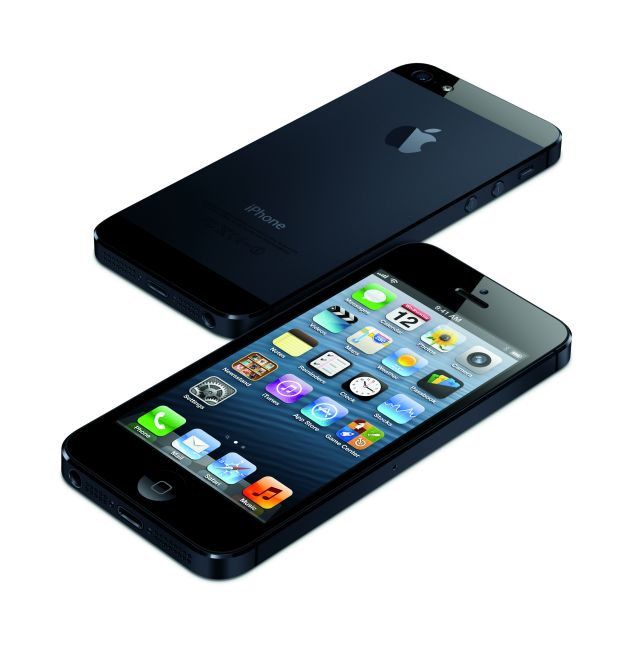
    The interesting thing with Apple’s announcement of  the new iPhone and iPod was the emphasis on gaming with two demonstrations showing off the capabilities of the new devices.

    While the iPod and iPhone can’t compete with gaming consoles in a straight out hardware comparison, customers like the idea of being able to play advanced games on their handheld devices.

    More worryingly for the console manufacturers is the pricing in the App stores. The traditional gaming model of expensive games subsidising devices starts to fall over when 99 cent, or even $19.99 downloads kill the fat margins.

    It’s not just games companies threatened by the iPhone and Android smartphones, probably the biggest threat from today’s launch is to Microsoft.

    Last week’s botched Lumia 920 launch throws into stark relief how Windows Phone is struggling to meet its October release date.

    The pressure is now right on Microsoft to deliver, the continued evolution of the iPhone is also leaving Blackberry and Motorola increasingly looking flat footed and vulnerable in a market that’s leaving them behind.

    Similar posts:

  • When disruption meets regulation

    When disruption meets regulation

    Taxi booking applications have been one of the big areas for smartphone developers. Around the world apps for hailing cabs have popped up following the lead of San Francisco’s Uber.

    One of the opportunities for copycat developers is that in most places taxis are regulated by the local city or state government, so an app for New York will struggle in Los Angeles, Paris or Tokyo and savvy entrepreneurs can create their own Uber knock off suited to their own location.

    The problem is in most places taxis are regulated as a cartel, not a public service. Sometimes that cartel is to protect drivers, sometimes the companies that run the networks and often taxi license holders.

    Sydney, Australia, is a good example of the latter two. The New South Wales state government’s rules are designed to protect the interests of the greedy ‘investors’ who’ve bought taxi license plates and the networks who run the booking systems and management of the cabs.

    The result is Sydney cab drivers are treated like serf in what can only described as a feudal system while customers have to put up with lost bookings, poorly kept vehicles and high taxi fares.

    It’s a lousy deal all round and is a great example of where disruption can change things for the better.

    The problem is the incumbents will fight innovation that threatens their cosy and profitable arrangements and the regulators are part of that comfortable alliance.

    In New York it looks like the Taxi and Limousine Commissioner does have some of the consumer interests at heart, pointing out that the metered fare is what passengers have to be charged by law. In most cities though, particularly Sydney, protecting the passenger is just another smokescreen for protecting vested interests.

    Something that many innovators don’t realise is the power of those vested interests.

    In the case of the taxi app developers many of them are about to get a nasty taste of just how vicious incumbent and their tame regulators can be when confronted with a threat to their cosy business arrangements.

    Similar posts:

  • Moving on from the gadget era

    Moving on from the gadget era

    Yesterday at the launch of the next generation of Kindle e-readers Amazon’s CEO Jeff Bezos observed why the various Google Android based tablets have failed.

    Why? Because they’re gadgets, and people don’t want gadgets anymore. They want services that improve over time. They want services that improve every day, every week, and every month.

    Throughout the industrial revolution progress and innovation was about creating products that improved people’s lives – whether it was Josiah Wedgwood making affordable crockery, Thomas Edison commercialising the light bulb or Henry Ford making cheap motor cars available to the masses – these innovations changed the way we lived or did business.

    In the late Twentieth Century business focused more on creating gadgets and our lives became a race to accumulate more useless tat to store in our big McMansions to store the junk in.

    We wore out our credit cards and home equity in “buying stuff we don’t need to impress people we don’t like” throughout the 1990s and early 2000s.

    Today that’s changed, consumers are now more cautious and, despite the efforts of governments to prop up the broken system, the great credit boom is over.

    Jeff Bezos is onto this, instead of Amazon offering me-too products that don’t add value,  “people don’t want gadgets anymore. They want services that improve over time.”

    The word ‘service’ is notable — one of the things Amazon have achieved is changing how customers use books and DVDs from outright purchases that they can trade and sell to licensed products where Amazon and publishers control distribution.

    Amazon are consolidating their position as one of the big four Internet empires. How Google, Apple and PayPal respond to Amazon’s suite of services will define much of the online economy.

    Similar posts:

  • Signing off voicemail

    Signing off voicemail

    A survey by US phone company Vonage reports cellphone users are ditching voicemail and moving to alternatives.

    Messages left on user accounts in July fell 8% while retrievals fell 14% compared to last year.

    While those figures may have something to do with the billing practices of US carriers, it shows a much bigger trend in the telecommunications sector away from products which have been very profitable over the last two decades.

    Voicemail, like SMS text messaging, has been a lucrative earner for telcos since the arrival of mobile phones.

    Users get billed for calling a number then for leaving a message – often with a few delaying menu items to make sure callers get hit with a couple of billing units. In turn the receiver is charged for being notified they have a message, billed again for retrieving it and then pays a monthly fee for the privilege for all of this.

    Five bites of the cherry for one phone call – nice work if you can get it.

    This entire revenue stream is now dwindling as customers start using Internet based services to send messages. While the telcos charge extortionate rates for mobile data it is still far cheaper per message than the alternatives.

    In many ways the profits from voicemail and SMS were a classic transition effect – a profitable window of opportunity opened for a short period when a new technology was introduced. Now those windows are closing.

    For telcos, they have to find some profitable new channels. Even if they achieve their dreams of becoming media distributors or even content creators they’ll find both of those fields are far less lucrative than the mobile phone networks of a decade ago.

    While telephone companies aren’t going to grow broke soon, today’s data networks aren’t the golden goose many people expect from telcos.

    The smart telcos will adapt and survive, the ones who think the good times of a decade ago are coming back soon are in for a miserable future.

    Similar posts: