Tag: entrepreneurs

  • Niches and needs: necessity and the mother of invention

    Niches and needs: necessity and the mother of invention

    An old saying is necessity is the mother of invention and nowhere is this shown better than walking the exhibition floor of the Internet of Things World conference in San Francisco today.

    The Wallflower is a good example of this, thought up of after the founder had to rush home when his partner thought she’d left the stove on (she hadn’t), he thought there had to be something that could monitor this on the market and when he discovered there wasn’t, he invented it.

    Snowboarding needs

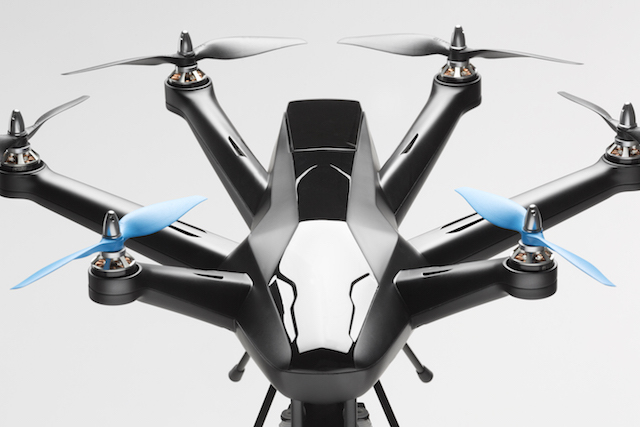
    Probably the sexiest device on the floor is the Hexo+, an autonomous drone designed for video shots. Use the app to tell you what shot you want and it the drone will take off and video you.

    Hexo+ was founded by Xavier de Le Rue, a French professional snowboarder who wanted to get shots of his maneuvers but couldn’t afford a crew or a helicopter to do so. The preprogrammed flight patterns represent the most common camera sequences optimised for the GoPro camera.

    Probably the most trivial is the MySwitchMate, a mechanical device that fits over a wall light switch. Set it up and you can use its app to flick your lights on and off.

    The device was born out of the founder wanting to remotely control his college dorm lights from his bed. While the market seems to be those who don’t want to get out of bed, its main market are those who would like remotely controlled lights but can’t install a smart lighting system.

    A niche from a need

    What all three of these devices show is how a need by an inventor spurred a  product’s development, in that respect the Internet of Things is no different from any other wave of innovation.

    So if you wonder “why doesn’t someone sell this?” it might be an opportunity to set up your own business or invent an IoT device to meet that need.


    Similar posts:

  • Building a startup community

    Building a startup community

    Some interesting thoughts from startup guru Mark Suster on what it takes to build a tech startup community.

    In Suster’s view, just being cheerleaders is not enough; a viable industry hub needs a combination of capital, resources and skills. It’s not an easy environment to create and one that governments alone cannot do.

    Similar posts:

    • No Related Posts
  • Riding the startup roller coaster with Uber CEO Travis Kalanick

    Riding the startup roller coaster with Uber CEO Travis Kalanick

    A great interview with Uber CEO Travis Kalanick by Kara Switzer in Vanity Fair touches on the mental difficulties facing startup founders.


    He was depressed after his first start-up failed badly and his second went largely sideways. He was, as he recalls, deeply afraid of failure. “I had gone through eight years of real hard entrepreneuring. I was burned. So, I just wasn’t ready yet,” says Kalanick. In fact, he had been living at home with his parents in his childhood bedroom not long before his trip to Paris, after those two start-ups had failed to flourish.

    xys

    Similar posts:

  • A lack of entrepreneurial imagination

    A lack of entrepreneurial imagination

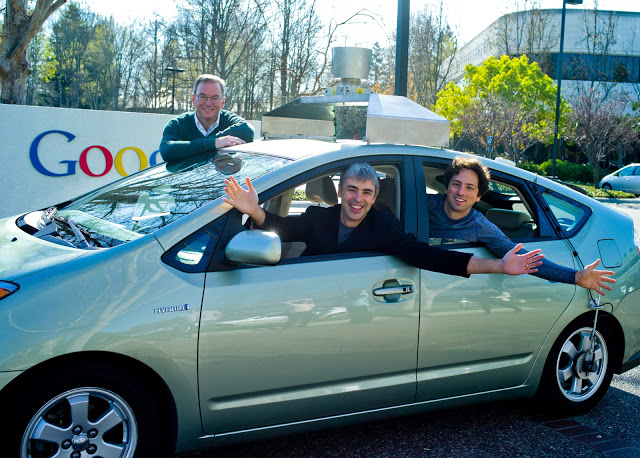
    A fascinating interview with Google founder Larry Page in the Financial Times raises the question of whether the current startup mania lacks imagination.

    Certainly looking at the lists of many startup competitions, incubator admissions and accelerator programs, it’s hard not to be depressed at the number of ‘platform plays’ aimed at clipping the tickets of an established industry.

    If anything, it’s encouraging the Google founder is looking at doing more interesting things than taking a few dollars clipping the tickets off industry. We can, and should, aspire to do better.

    Similar posts:

    • No Related Posts
  • Spreading the good news – Canva’s Guy Kawasaki

    Spreading the good news – Canva’s Guy Kawasaki

    “My job is to spread good news,” says Guy Kawasaki of his role as Canva’s Chief Evangelist.

    Kawasaki was speaking to Decoding the New Economy about his role in popularising the online design tool which he sees as democratising force in the same way that Apple was to computers and Google to search.

    Democratisation is a theme consistently raised by startups and businesses disrupting existing industries and Kawasaki continues this theme.

    “The world is becoming a meritocracy; it’s not about your pedigree, it’s about your competence,” states Kawasaki.

    Falling barriers to entry

    What excites Kawasaki about the present business climate are the falling barriers to starting a venture. “Things are getting cheaper and cheaper, in technology you had to buy a room full of servers, have IT staff in multiple cities. Today you call Amazon or Rackspace and host it in the sky.”

    “Before you had to buy advertising for a concert, now if you’re adept at using social media – with Google Plus, Facebook,Twitter, Pinterest and Instagram – you have a marketing platform that fast, ubiquitous and cheap.”

    “What excites me is there are going to be more technologies, more products and more services because the barriers are so low.”

    Creating a valued and viable product

    For those businesses starting into this new environment, Kawasaki believes the most important thing a startup should focus on is getting a prototype to market; “at that point you will know you’re truly onto something.”

    “If you build a prototype that works you may never have to write a business plan,” says Kawasaki. “You’d never have to make a Powerpoint, you may never have to raise money as you could probably bootstrap.”

    Kawasaki view is the MVP – Minimum Viable Product – model of lean product development should have another two ‘V’s added for ‘Valuable’ and “Validated’.

    “You can create a product that’s viable, ie you could make money, but is it valuable in that it changes the world?”

    “Is your first product going to validate your vision? If it’s not then why are doing it?”

    The story Kawasaki tells is the tools to deliver valued and viable products are more accessible than ever before; that’s good news for entrepreneurs and consumers but bad for stodgy incumbents.

    Similar posts:

    • No Related Posts