Tag: hospitality

  • Hotels and 3D printing

    Hotels and 3D printing

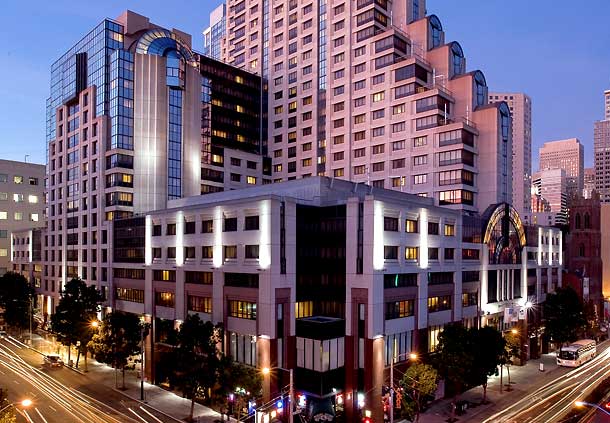
    One of ADMA Forum’s second day speakers, Phil McAveety, EVP of Starwood Hotels, had a look at the hotel of the near future.

    In Phil’s view, the key to success in the hotel business lies in providing in a unique guest experience as the world’s middle classes explode.

    The role of the 3D printers in the hotel experience where guests can order a pair of sneakers or swimming goggles to be printed up when they’ve forgotten their own is one of Phil’s fascinating views on how technology will change the hospitality industry.

    Its a shame that most hotels have old style door keys, All Things D looks at a start up called KeyMe that stores details about door keys on the cloud which customers can download 3D printing files.

    These two examples illustrate just how a technology like 3D printing will change industries.

    Similar posts:

  • Cheap coffee and the changing service sector

    Cheap coffee and the changing service sector

    I noticed the queues one morning when calling into the local service station to grab a carton of milk at 5am.

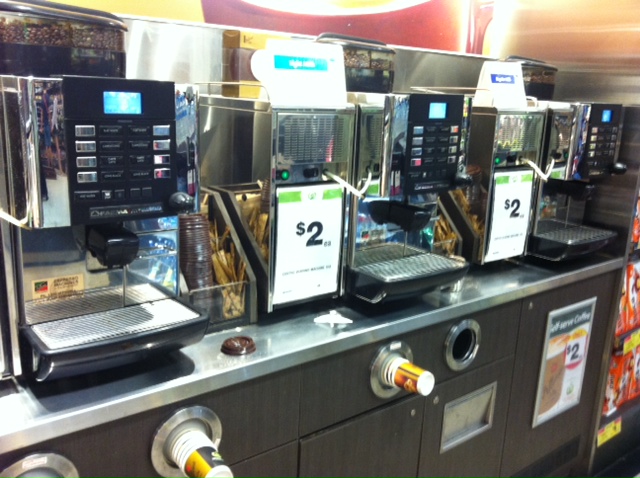
    There was a line of tradesmen out the door waiting to buy a $1 self serve coffee. Freshly ground with your choice of espresso, latte or cappuccino.

    No messing around, no being patronised by snobby barista – just a cheap, decent quality cup of coffee.

    For the last few years these machines have been popping up in convenience stores and service stations, freshly grinding beans to order and delivering a reasonable cup of coffee for a dollar or two.

    7-11-cheap-coffee.jpg
    Cheap coffee at the local convenience store

    None of the machine made cups will beat a coffee made by a good barista, but are half or a third of the price being charged by many cafes whose product often isn’t much better (and sometimes worse) than that made by the machines.

    With the rise of the service economy in the 1970s it was assumed employment would move from factories to jobs like baristas and serving in cafes, now we’re seeing automation taking over those jobs as well.

    The 1970s assumption that the service industries would become the mainstay of the economy turned out to be true with over two thirds of the workforces in countries like the US, UK and Australian employed in them them by the end of the Twentieth Century.

    Now industries are restructuring again and the assumptions that worked well for the last fifty years are being challenged by automation and increased outsourcing.

    The idea we could build an economy based upon us all making coffee and waiting tables for each other was always problematic and so it is proving to be.

    It’s worth thinking about the opportunities this presents for your business.

    Similar posts:

  • Open Table and free mobile restaurant sites

    Open Table and free mobile restaurant sites

    One of the big challenges facing restaurants is how customers are moving to the mobile web, diners are using their smartphones to find establishments and expect to make bookings directly.

    To help their customers deal with this move to smartphones, restaurant booking service Open Table is offering a free mobile website for their clients so establishments can have sites that are usable on smaller screens.

    Whether this is worthwhile depends upon whether the restaurant is already using Open Table, the monthly fees are quite high at $200 per month plus a relatively low $1 commission per cover so it certainly isn’t worth subscribing to their service just to get a mobile optimised website.

    For restaurants already using their service it’s best to check if your existing website already has a mobile feature as having two online addresses is only going to confuse customers.

    Businesses using WordPress based sites just need to install a plug like WordPress Touch which detects when a smaller screen is viewing your site to change.

    Open Table itself is somewhat of an internet old timer having been founded in 1998, making it one of the Tech Wreck survivors, and listed on the NASDAQ market eleven years later.

    That a company like Open Table is recognising a mobile web presence is essential for hospitality businesses should be a further warning to restaurants, cafes and hotels that they need to take smartphones seriously.

    Just as thirty years ago it was essential to have a Yellow Pages listing, today you’re missing out on customers if they can’t find you on their phones.

    Regardless of whether you’re using Open Table or any other service, you need to have some form of mobile site working for you.

    Similar posts:

  • A quick Christmas checklist for hospitality businesses

    A quick Christmas checklist for hospitality businesses

    For listeners of my regular spot on ABC Riverland, here’s a quick checklist for regional business owners to make sure their online presence is ready for the Christmas holidays.

    Prospective customers are using the web to find businesses and attractions, so taking advantage of the free listing services by the major search engines and directories is the first step.

    Google Plus Local

    The search engine giant’s local service gives a free business listing that feeds into their results and those of many GPS devices and social media services.

    Fill in as many fields as possible, making sure you don’t forget opening hours and payment methods you accept.

    You can also upload photos and menus to your Google Local listing, all of these will help you come up higher in the search engine results.

    True Local

    News Limited’s True Local offers a similar service to Google and this also feeds into various services along with the local news sites run by the newspaper chain.

    Again, fill in as many fields as possible and make sure all your essential business details are listed.

    Sensis

    While the Yellow and White Pages may be dying, a free listing with their site will help come up on the various Telstra sites and companies that partner with them.

    Review sites

    Eatability, Yelp and Tripadvisor are all popular sites and applications used by customers to research accommodation and venues. You need to grab your listing and check what previous customers have said about you.

    Social media

    Along with having your own listing on Facebook, LinkedIn, Twitter and possibly sites like Pinterest; you should be doing regular searches to check what people are saying about you and your district.

    One of the great things about social media is it’s a great market intelligence tool. For instance if there’s lots of people coming to your town to go fishing and there’s nobody catering for them, then this is an opportunity. Google Alerts can help you with this.

    Your own website

    Most important of all is your own website. Check that it works on smartphones and tablet computers, if necessary borrow a friend’s Android or Apple device and see what your site looks like on it.

    When you review this with your web developer also check your keywords are working and make sure yourmeta-tagsall reflect what you have to offer your customers.

    The Christmas-New Year rush is too important a period for hospitality business to miss out on customers. A few small thing might get you the visitors who might have kept on driving to the next town.

    Similar posts:

  • Fleeing the group buying market

    Fleeing the group buying market

    As Apple becomes the highest capitalised stock in US market history, former daily deals site and market darling Groupon continues to sink into misery.

    Groupon led the group buying mania of 2011 and its stock market float in November of that year valued the business at 13 billion dollars, ten months later the business has a capitalisation of three billion, wiping out three quarters of its IPO shareholders’ investment.

    To make matters worse for the daily deals site the New York Times features a story looking at deal fatigue, where customers tire of the daily emails offering discounted cafe meals or personal training while businesses find the deals just aren’t worth the trouble.

    “I pretty much had to take a loan out to cover the loss, or we would have probably had to close,” the Times quotes Dyer Price, owner of Muddy’s Coffehouse in Portland, Oregon. “We will never, ever do it again”

    In a straw poll, the Times correspondent visited neighbouring businesses who had similar stories.

    The common factor with all the business horror stories surrounding group buying or deal of the day sites is high pressure sales tactics that blind the merchant to the downsides of these offers.

    For these services, it’s essential to move through as many deals as possible so salespeople are driven to sign up as many merchants as possible. When you put pressure on sales teams, they tend to behave in ways that aren’t always good for customers.

    Most of the customers Groupon attracts – or those of other deal of the day sites – are price sensitive and fussy. Having demanded their deal, most of these customers are not coming back so it may well be that daily deals are the most expensive, disruptive and pointless marketing channel ever invented.

    The results of the high pressure tactics are shown in a Venture Beat story which claims Groupon is now threatening to sue unhappy merchants as payments slow and the daily deals struggle to attract customers.

    What was always misunderstood during the group buying mania was that Deal Of The Day sites weren’t really technology plays – they were reliant on good sales teams driving deals. The technology being used was incidental to the core business concept.

    In this respect, services like Groupon had more in common with the Yellow Pages or multi-level marketing schemes. It was about salespeople delivering orders and taking a percentage off the top.  To compare Groupon with Google, Facebook or any tech start up was really missing the point.

    This isn’t to say that group buying or deals of the day services don’t have a role in business. For retailers clearing inventory, hotels working around quiet periods or new businesses wanting to get attention in a crowded marketplace, there’s an argument for offering a deal on one of these sites.

    For most though it was an expensive and pointless exercise that attracted the picky, price sensitive customers that most business would avoid rather than encourage. That’s the harsh lesson learned by many of the businesses who fell Groupon’s fast talking salesteams.

    Similar posts: