Tag: ipad

  • Free Subscription to the AFR Digital Edition

    Free Subscription to the AFR Digital Edition

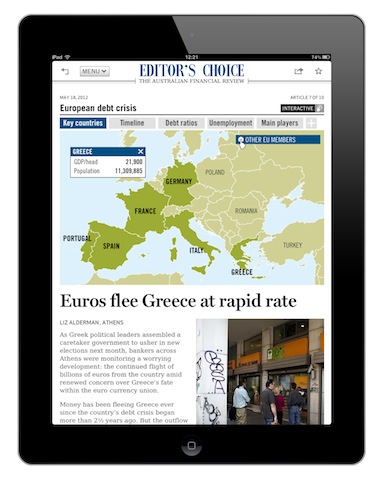
    As part of the review of the Australian Financial Review’s new iPad application, I have two free one year subscriptions to both the app and the AFR website available.

    To win one, submit a comment to any of the site’s posts over the next week and the best two as judged by myself will win the subscription.

    You don’t have to comment on the AFR iPad’s review, it can be on any of the website’s posts. Feel free to agree, disagree or point out the subtleties and nuances I’ve overlooked.

    I’d like to hear your opinions anyway, but this week there’s an additional reason to comment. Fire away.

    Similar posts:

  • Towards heterogeneous networks

    Towards heterogeneous networks

    A new idea might cut the size of many phone bills, as usual though the devil is in the detail.

    One of the hallmarks of the technology industry is the use of jargon; every few months a new buzzword or phrase comes along that captivates the industry and dominates the tech media.

    A phrase that’s going to become common in the next few months is Heterogeneous Networks, the concept that mobile phones will be able to switch between phone systems and wireless networks without the user noticing.

    Overnight the two major standards organisations agreed to work towards a common framework for phones to run these networks which also go by the name of HetNets.

    For consumers the benefit with heterogeneous networks is they can reduce costs as phones automatically switch to cheaper, and usually faster, Wi-Fi hotspots.

    The benefit for mobile phone network operators is that data demands are swamping their networks that were originally designed for voice communications. By offloading some of the load to private Wi-Fi systems they hope to manage their systems better.

    Of course one should never underestimate a telco’s desire to make a buck and most telecommunications companies see the opportunity to make a few dollars out of offering the feature.

    A major concern in putting together these systems is going to be security, using anybody’s Wi-Fi network requires a degree of trust and if a smart phone or tablet computer is accessing these without the owner knowing the risks are substantially higher.

    These risks are even higher still if the banking and telco industries manage to convince people to use their mobile phones as an electronic wallet.

    Seamlessly connecting to networks is one of the holy grails for mobile device manufacturers and software designers and it’s something that consumers will probably welcome when it becomes reliable.

    For the moment we can expect to hear breathless articles about developments in the area and the promises from suppliers about the technology.

    As usual the early adopters will leap in and suffer the usual disappointments and heartbreak that is life on the bleeding edge of technology.

    Eventually though, long after the hype has settled down, these systems will become commonplace and expected by consumers.

    Whether it makes more money for telcos though is another matter.

    Similar posts:

  • Reinventing point of sale

    Reinventing point of sale

    One of the banes of running a business computer support organisation were cash registers.

    Retail Point Of Sale (POS) systems were almost always arcane, clunky and difficult to maintain, at PC Rescue we dreaded a call from a shop, pub or hairdresser having problems with their registers.

    Frequently this was by design, the POS system supplier would try to lock in their business customers into expensive support contracts.

    By making it difficult for anybody without intimate knowledge of the product to actually do anything with it, the retailer was stuck having to hire overpriced custom support.

    To make things worse, many of the POS systems ran on outdated hardware which offered the suppliers another opportunity to hit their customers (victims?) with high support costs.

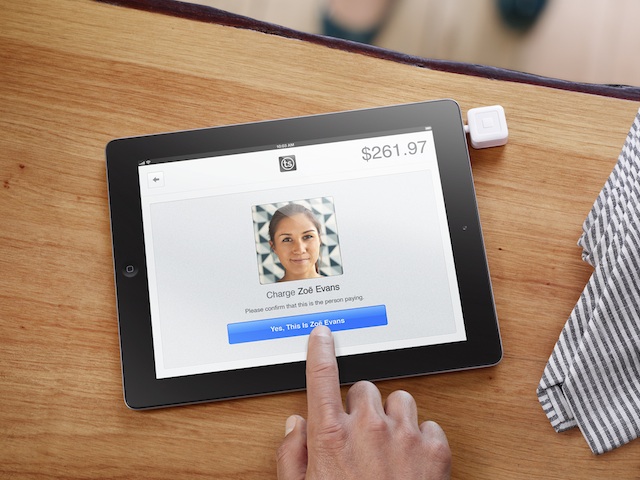
    Since the iPad was released, I’ve been waiting for an application using cloud services for a back end that challenges the existing Point of Sale systems and today US online payments system Square has announced their Square Register app.

    While only available in the US, Square has been setting the pace for physical payment systems like taxi fares and coffees using online technologies so it’s hardly surprising they are leading this push.

    The iPad as a cash register is a logical step for the device and tied in with a robust Point Of Sales platform behind a simple to use app, it will probably make a huge dent in the point of sale market.

    It may be the Square service won’t be the point of sale leader – Square is more a payments service than retail platform – which means this field is way open for some savvy operators.

    One of the concerns with the Square service, and any iPad based application, is the spectre of vendor lock-in. Being fixed on the iOS platform means there is a risk of being held hostage to Apple’s business plans, also being locked into Square’s payment systems may not be the best choice for many merchants.

    The payments and point of sale industry is another that’s being radically changed by mobile devices coupled with cloud computing. It’s not a time for incumbents to rest on their laurels.

    Similar posts:

  • Is it time for Microsoft to make a clean break?

    Is it time for Microsoft to make a clean break?

    Over the weekend Christina Bonnington in Wired magazine looked at how Microsoft is struggling to decide whether to have separate operating systems for their tablet and desktop products – as Apple have – or design one that works on both.

    Creating another version of Windows risks further confusing the marketplace given Microsoft already has between its four different versions of Windows and six flavours of Office.

    Although Apple haven’t suffered at all by having different operating systems. Mac OSX is more popular than ever and iOS dominates its markets.

    Perhaps its time for Microsoft to copy something else Apple did and have a clean break – rework all the Windows code and build a new system.

    Apple did this when they introduced OSX in 2001. Among other things it didn’t support floppy disks, the Apple Device Bus, floppy disks or the networking standards used by the older systems. At the time there were howls of protest from long suffering Apple true believers who had invested a lot into the earlier versions of Mac OS.

    Despite the protests and early hiccups – we sometimes forget that the first version of OSX, named Cheetah, was terrible – Apple’s clean break with the past was a great success.

    Microsoft’s selling point has been backward compatibility; software designed for one version of Windows is expected to work on the next version.

    Backward compatibility is the reason for the spyware epidemic of the early 2000s as Microsoft ignored Windows XP’s security features so that they wouldn’t have to ditch older code in other products like Office.

    Similarly, the contradiction of redesigning the Windows operating system while minimizing disruption to existing users was one of the reasons why Microsoft Vista was such a disaster.

    Perhaps it’s time for Microsoft to bite the bullet and bring Windows into the 21st Century.

    Whatever they decide to do, they better hurry as Apple and Google are carving out dominant positions; waiting until 2013 or 14 for the next version of Windows and Windows Phone may be too late in a market where Microsoft is quickly becoming irrelevant.

    Similar posts:

  • The death of the netbook

    The death of the netbook

    “You don’t want to buy one of those of things,” said the electronics store assistant, “they don’t have much memory and the CPUs in the notebooks and ultra books are better.”

    I was shopping for a cheap netbook for the kids, each of which had been saving up to buy one as they are sick of me yelling at them for playing Minecraft on my work system, and the consensus from the store staff was to do everything to steer folk away from the cheap systems.

    This is understandable as most electronic store staff are on commissions, and these are lean on cheap computers. It’s much better to sell a thousand dollar unit – with upgraded warranties and accessories – than a low margin, one off unit.

    For manufacturers, similar problems exists; these cheap unit cannibilised their higher priced products with better margins. Dell recently announced they are getting out the netbook market and others are following.

    Netbooks themselves are in trouble as the market they addressed for cheap, portable, Internet connected devices is now largely covered by smart phones and tablets which offer better battery life and usability.

    Interestingly, the battery life argument was even used by the computer store salesfolk who pointed out – correctly – that the newer laptops have better power management than their cheaper netbook cousins.

    While the netbook as a category is dead; the concept itself isn’t. As the uptake of tablet computers like the iPad show, Internet connected portable devices are becoming the computer of choice for many people and the advantages of a laptop form factor; a proper tactile keyboard, USB ports and other external connectors are still attractive.

    Probably the worse thing for the manufacturers and retailers is the price points are now established in customers’ minds – $400 is what people want to pay for laptops, which doesn’t bode well for those higher priced systems.

    Those manufacturers can’t even get into the tablet computer market as Apple now own that sector that the PC vendors and Microsoft squandered a decade’s lead with substandard equipment and badly designed software.

    Despite the best efforts of the electronic store’s salesfolk, my kids ended up buying cheap, low specced netbooks out of their savings and those systems run Minecraft quite nicely. Which is another problem for shops and manufacturers stuck with a 1990s business model.

    Similar posts: