Tag: iphone

  • Apple keeps ticking over

    Apple keeps ticking over

    Once again Apple keeps surprising the market with Apple second quarter results beating the analysts’ estimates roundly and putting the company on track to becoming the first US corporation to have a trillion dollar market valuation.

    Coupled to nearly fourteen billion dollars in profit for the last quarter is that the company is looking to return $200 billion of cash back to shareholders.

    A particular high point in Apple’s results are its China sales with the company showing seventy percent year on year growth, showing it’s possible for western companies to sell into the PRC.

    Those results are from iPhone sales and, given the Chinese smartphone market is ruthlessly competitive, it puts the managers of all US and European companies on notice that there are no longer any excuses about not performing in the Middle Kingdom.

    Another key takeaway from Apple’s results is the tablet market is limited with iPad sales down 23% compared to last year.

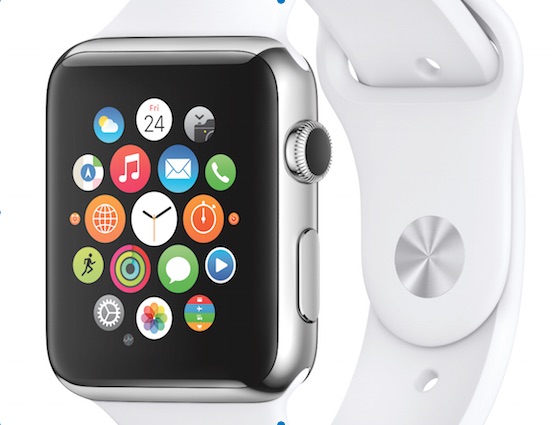
    The question now is how big are watch sales going to be? It may well turn out that the Apple Watch is similar to the iPad – a market defining product but one that isn’t the company’s mainstay.

    Regardless of how well the Apple Watch, the iPad or the iPhone’s Chinese sales perform next quarter, it’s safe to say Apple will probably break more records over the next year.

    Similar posts:

    • No Related Posts
  • A triumph over orthodoxy – Seven years of the iPhone

    A triumph over orthodoxy – Seven years of the iPhone

    “Once in a while a revolutionary product comes along that changes everything.”

    Those were Steve Jobs’ words when he launched the iPhone seven years ago.

    It was a strong opening that was reinforced by the event’s tag line, “Today Apple reinvents the phone.”

    It wasn’t an idle boast, the iPhone was a leapfrog development – using Jobs’ words – over the existing clunky smartphones and it changed the entire industry and spawned some new ones.

    Smart Company’s Yolanda Redrup asked me for a few comments on her story on the iPhone’s birthday and her questions triggered some thoughts on just how the iPhone changed the mobile phone and telco industries.

    A triumph over orthodoxy

    Apple’s iPhone triumph was born out of the established players’ orthodoxy; companies like Nokia, Blackberry and Palm were wedded to the idea that a tactile QWERTY keyboard was essential for a smartphone.

    Those keyboards took away nearly half the real estate on the phone, Jobs called it “the lower forty”, and it made surfing the net a painful task, let alone watching videos or movies.

    Full featured keyboards made making calls difficult as well. One of the barriers of adopting smartphones was that using the things as phones was quite difficult.

    By having software keyboard and dialling pads that only appeared when needed, Apple solved the problems that faced smartphone users.

    Disrupting the telcos

    The other orthodoxy in the smartphone industry was that the telcos were essential gatekeepers. Nokia and the other incumbents put the needs of telecommunications companies over users of their phones.

    As a consequence email and web browsing capabilities of the existing smartphones were crippled as the telcos tried to lock their customers into their own proprietary networks rather that giving them access to the public internet.

    With the iPhone, Apple broke out of that telco dominance and started to dictate terms to the phone companies. This wouldn’t have been possible if the iPhone hadn’t been a far better, and much more popular, product.

    Building the app store

    Another area where the iPhone disrupted the phone companies’ business was with the App Store. Every smartphone had its own add-on programs but they were expensive with poor functionality and developers had to build versions for every company’s operating system.

    Both the telcos and the phone vendors could see that app stores were a potentially lucrative area but systemically failed to execute on the idea with clunky and expensive software.

    The App Store showed how smartphones should work and coupled with music, another area where the handset vendors dismally failed, Apple is now earning over a billion dollars a month from iTunes.

    Technological change

    Some of the iPhone’s success was due to technologies maturing; earlier smartphones were crippled by slow data connections over 2G or CDMA networks and cloud computing, or software-as-a-service as it was then called, was just beginning to mature as a technology.

    Cloud services and 3G connectivity meant the iPhone could hand off most apps’ processing needs to the service provider, something that the earlier smartphones couldn’t do because the technology wasn’t there.

    That connectivity did come at a cost, the iPhone and its competitors created huge challenges for telcos as they struggled to meet the data demands of their enthusiastic web surfing customers.

    Looking at the future

    While the iPhone came to dominate the smartphone market, that dominance didn’t last as Google Android devices started to flood the marketplace. Now Samsung is as big a player as Apple and a wave of cheap Chinese products are now flooding the industry.

    For Apple and the other smartphone vendors the opportunities now lie in the internet of things (IoT) as connected cars, workplaces and homes require a device to control them. That device is often the smartphone.

    In the next few years the market battleground is going to be creating the applications, platforms and ecosystems around these IoT technologies and its no coincidence that Apple has partnered with BMW on providing software for their smartcar.

    Jobs finished his iPhone presentation with the Wayne Gretzky quote, “I skate to where the puck is going to be, not where it has been” and committed Apple to always being where the market is going to be.

    Where the market is going to be in the next seven years is anyone’s guess, but it would be dangerous to count Apple out.

    Similar posts:
    • No Related Posts
  • Steve Jobs’ golden path

    Steve Jobs’ golden path

    Today Apple reinvents the smartphone.” Steve Jobs announced at the 2007 Macworld Conference when he showed off the new Apple iPhone.

    As with most of Jobs’ speeches, the iPhone launch was an impressive display combining the man’s talents, vision and technology to rally Apple’s adoring masses.

    Last week the New York Times magazine had an excellent feature on the story behind the landmark launch of the iPhone. It’s worthwhile reading to understand the theatre that goes behind a major tech company’s launch event.

    In the case of the iPhone, a myriad of tricks had to be performed to make sure the still being developed device didn’t fail in Steve Jobs’ hands during the launch – one can be sure the Apple founder wouldn’t have been as relaxed as Bill Gates when a Windows 98 system crashed onstage a decade earlier.

    A key part of Jobs’ presentation was the ‘Golden Path’, a script that would showcase the iPhone’s features while avoiding known problems.

    Hours of trial and error had helped the iPhone team develop what engineers called “the golden path,” a specific set of tasks, performed in a specific way and order, that made the phone look as if it worked.

    Much to the relief of Jobs’ staff, the demonstration worked flawlessly and Jobs’ polished presentation showed why he was one of the most admired, if flawed, business leaders of his generation.

    While most tech CEOs could never dream of emulating Steve Jobs, almost every one has a ‘golden path’ to show off their product in a new light.

    Something we should remember when watching these demonstrations and the press coverage that follows is that most of them are carefully staged theatre and we should hang onto our wallets until well after these devices are on the shop shelves.

    As it turned out, the iPhone was a spectacular success and did re-invent the smartphone industry. Along with being able to deliver a killer presentation, Steve Jobs was also good at driving teams to deliver his vision.

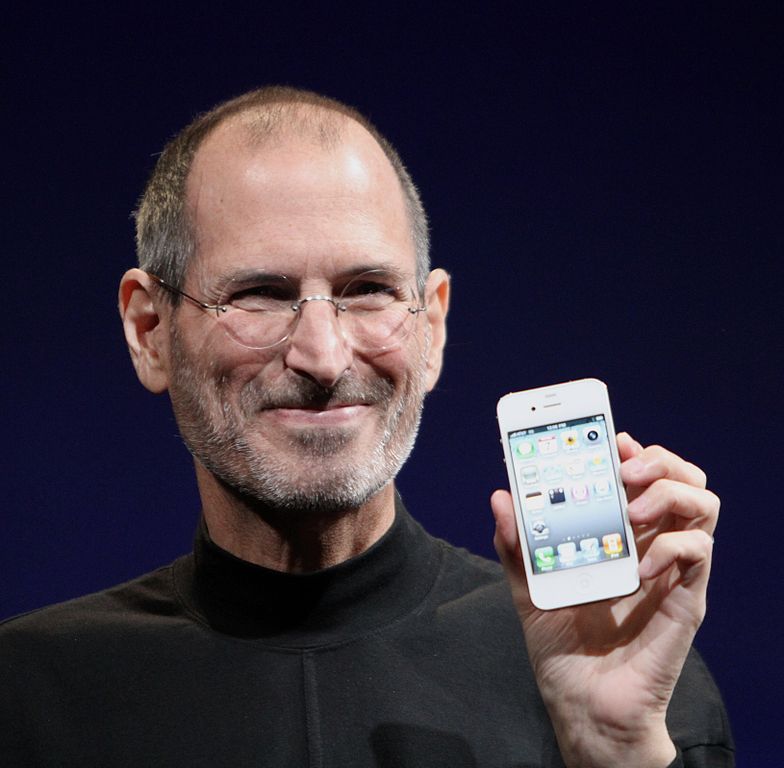
    Steve Jobs image courtesy of Wikimedia.

    Similar posts:

    • No Related Posts
  • Cranking up the phone wars

    Cranking up the phone wars

    According to All Things D, Apple will be announcing their next iPhone on September 10.

    With Samsung and Android phones steadily chipping away at Apple’s market share, it’s an opportunity for the company to recapture some of the brand’s allure after the passing of Steve Jobs.

    The market will be expecting a stunning announcement. Should the company disappoint, the pundits will be calling the end of Apple’s dominance and we can expect the firm’s share price can also expect to get further punished with it already down 35% from the $700 peak of a year ago.

    What Apple’s announcement will do is trigger another round of the phone wars as we approach the Christmas buying season. It might be a good time to buy a phone.

    Similar posts:

  • ABC Weekend Computers – should you buy an iPhone 5?

    ABC Weekend Computers – should you buy an iPhone 5?

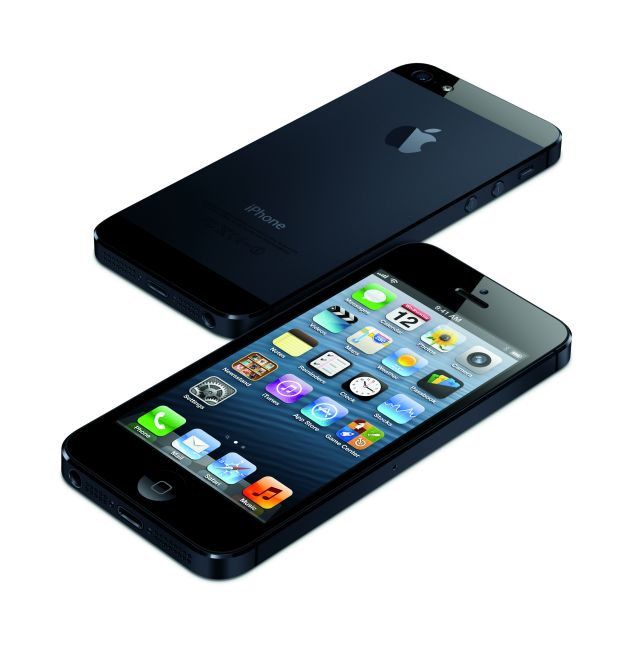
    With the usual hooplah, Apple announced their new iPhone last week. Should consumers drop their existing phones and buy the new iPhone?

    On ABC 702 Sydney Weekend computers this Sunday, September 16 from 10.15am Paul Wallbank and Simon Marnie will be looking at the choices in the smartphone market.

    Some of the topics we’ll discuss include;

    We love to hear from listeners so feel free call in with your questions or comments on 1300 222 702 or text on 19922702.

    If you’re on Twitter you can tweet 702 Sydney on @702sydney and Paul at @paulwallbank.

    Should you not be in the Sydney area, you can stream the broadcast through the 702 Sydney website and call in anyway. Everyone’s views are welcome.

    Similar posts: