Category: mobile

  • Hands on with Microsoft Office 365 and a Windows 8 tablet

    Hands on with Microsoft Office 365 and a Windows 8 tablet

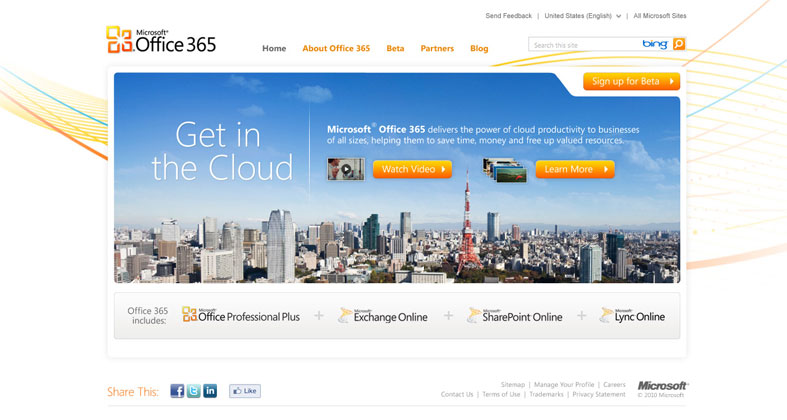
    One of the key planks of Microsoft meeting the challenge presented by online services like Google Docs is their cloud based Office365.

    The success of Office365 is important as Microsoft Office makes up a large chunk of the 24 billion dollars in sales, and $15 billion dollar profit, the company books from its Business Division.

    Coupled to this threat is also the move from personal computers to smartphones and tablet devices which Microsoft hope to meet with their Window 8 operating system, Surface tablet computer and Windows Phone.

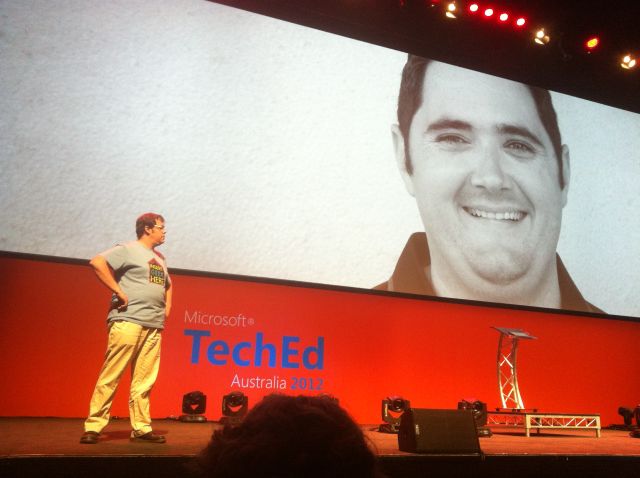
    As part of the Australian TechEd 2012 Conference, Microsoft gave a hands on preview of the Office 365 running on a Windows 8 tablet which was a good opportunity to see how both software packages worked.

    Office 365

    Office365 is very similar in layout and function to Office 2010 – if you’re using earlier versions of Office, particularly Office 2003, then you may find the ribbon bar and changed menus hard to navigate at first.

    Integration with Microsoft’s Skydrive is good and seamless. A nice feature in this is how a user can setup multiple Skydrive accounts as separate drives. How well this works while on the road will have to be tested away from a controlled environment like the one at the TechEd meeting rooms.

    The touch screen functions are fairly hard to get used to and they don’t work particularly well with fat fingers which Microsoft attempts to overcome with providing a stylus.

    Another complexity is that the menus and touch screen functions aren’t consistent across applications. The handy ‘pinch’ gesture to zoom on Windows 8 doesn’t work on the Office applications on the tablet which is a shame and is also a bit irritating for power users.

    Office365 adds a range of other features like web publishing, video editing and IT management tools but the hands on demo didn’t give enough time to properly evaluate these aspects.

    Window 8

    The first thing that jumps out with Windows 8 is the basic interface isn’t intuitive. The tile based system is difficult to use if you’re used to a keyboard and mouse or mobile systems like Apple iOS and Android.

    Another worry is the Windows 8 interface – or “Metro” as it was known – uses different applications to the desktop version. The problem with this was illustrated when trying to run a video on the device as the Internet Explorer in the Windows 8 interface was a different version to that on the desktop so videos would run in one mode, but not on the other.

    This confusion between software versions is a recipe for user confusion, lost data and possibly even a security weakness. It’s surprising that having effectively two operating systems running on the device was considered to be a good idea.

    Looking under the hood at the Control Panel, the Windows NT heritage of Window 8 becomes apparent. Anybody used to tinkering with the settings on Windows XP, Vista or 7 systems will have no trouble finding their way around the new version.

    Overall the performance of Windows 8 was impressive. It’s quite fast and responsive and this is something that Microsoft’s demonstrators are proud of.

    Tablet blues

    The surprising thing was the Windows 8 system was running on a Samsung tablet with still no ship date for the Windows hardware.

    The Windows 8 about screen on a Samsung Tablet

    With Christmas approaching, Microsoft are running out of time to compete in the tablet market and it seriously raises questions on whether the Surface tablets were prematurely announced.

    The experience with Office365 on the Windows Tablet was satisfactory although the demonstration showed there’s some barriers to adopting tablets as the main work computers.

    Office 365 shows the strengths Microsoft have in the market, if Microsoft can get their tablet strategy right then they have a good product to compete with Apple’s iOS and Google’s Android.

    Time will tell if they or their hardware partners can get products that customers want onto the market.

    Paul travelled to TechEd and stayed at the Gold Coast as a guest of Microsoft Australia.
    Similar posts:

  • ABC Weekend Computers – should you buy an iPhone 5?

    ABC Weekend Computers – should you buy an iPhone 5?

    With the usual hooplah, Apple announced their new iPhone last week. Should consumers drop their existing phones and buy the new iPhone?

    On ABC 702 Sydney Weekend computers this Sunday, September 16 from 10.15am Paul Wallbank and Simon Marnie will be looking at the choices in the smartphone market.

    Some of the topics we’ll discuss include;

    We love to hear from listeners so feel free call in with your questions or comments on 1300 222 702 or text on 19922702.

    If you’re on Twitter you can tweet 702 Sydney on @702sydney and Paul at @paulwallbank.

    Should you not be in the Sydney area, you can stream the broadcast through the 702 Sydney website and call in anyway. Everyone’s views are welcome.

    Similar posts:

  • Microsoft TechEd Australia 2012

    Microsoft TechEd Australia 2012

    2012 is the year that will define Microsoft as the market place they have dominated moves to tablet computers and smart phones.

    The challenge for Microsoft is how they migrate their desktop and server products to the platforms dominated by Amazon, Google and Apple.

    At this year’s TechEd Australian conference the pressure is on Microsoft to present how they will deal with this challenge from tablet computers, mobile phones and cloud computing.

    The big ticket item is the Windows phone. After the disastrous launch of the Nokia Lumia 920, Microsoft has to convince the market place they have a viable competitor to the iPhone and the plethora of Google Android devices.

    Microsoft have taken the opposite strategy to Apple in trying to offer the same operating system on all their devices. If Windows 8 can run on all systems then they have a chance of locking high margin corporate users onto their platforms.

    Windows 8 itself has to have a compelling story to tell. Much of Microsoft’s future relies upon a successful rollout of the new operating system that meets the demands of both consumers and businesses. Users increasingly expect social media and cloud computing services to be integrating into their systems.

    Cloud computing is an important part of Microsoft’s corporate strategy and how the new version of Windows Server delivers on the business requirements of using cloud services will be an important factor in the product’s success.

    One of Microsoft’s most profitable product lines has been their Office suite of applications. Margins on Office have been under pressure since the release of the free Google Docs suite and the corporate Google Apps product.

    The advantage Microsoft have in the office productivity market is their products have the full range of feature business users need and Google, and Apple, have struggled to include these tools in their products.

    With new versions of Office, Server, Phone and Windows all being released Microsoft have a lot of stories to tell and the stakes for the software giant are huge. It’s going to be an interesting few days at the Gold Coast Convention Centre.

    Similar posts:

  • Signing off voicemail

    Signing off voicemail

    A survey by US phone company Vonage reports cellphone users are ditching voicemail and moving to alternatives.

    Messages left on user accounts in July fell 8% while retrievals fell 14% compared to last year.

    While those figures may have something to do with the billing practices of US carriers, it shows a much bigger trend in the telecommunications sector away from products which have been very profitable over the last two decades.

    Voicemail, like SMS text messaging, has been a lucrative earner for telcos since the arrival of mobile phones.

    Users get billed for calling a number then for leaving a message – often with a few delaying menu items to make sure callers get hit with a couple of billing units. In turn the receiver is charged for being notified they have a message, billed again for retrieving it and then pays a monthly fee for the privilege for all of this.

    Five bites of the cherry for one phone call – nice work if you can get it.

    This entire revenue stream is now dwindling as customers start using Internet based services to send messages. While the telcos charge extortionate rates for mobile data it is still far cheaper per message than the alternatives.

    In many ways the profits from voicemail and SMS were a classic transition effect – a profitable window of opportunity opened for a short period when a new technology was introduced. Now those windows are closing.

    For telcos, they have to find some profitable new channels. Even if they achieve their dreams of becoming media distributors or even content creators they’ll find both of those fields are far less lucrative than the mobile phone networks of a decade ago.

    While telephone companies aren’t going to grow broke soon, today’s data networks aren’t the golden goose many people expect from telcos.

    The smart telcos will adapt and survive, the ones who think the good times of a decade ago are coming back soon are in for a miserable future.

    Similar posts:

  • Disrupting the markets

    Disrupting the markets

    Generally it’s not a good idea to have nearly a hundred slides in a presentation, but Mary Meeker’s overviews of the tech industry are so rich in data it’s impossible not to spend a weekend looking over the entire sldieshow.

    Last week Mary gave her presentation at the All Things Digital conference and as usual she identified a range of trends and issues in the technology industries.

    Smartphone upsides

    Still the early days of smartphone adoption, with 6 billion mobile phone subscriptions worldwide but only 954 million smartphones activated.

    This adoption is driving mobile revenues with income growing at 153% per year. Although as she shows later, this is not necessarily good news for everybody.

    Print media’s continued decline

    A constant in Mary’s presentations over recent years the key slide in has been ad spend versus usage across various mediums.

    In this year’s version we still print still vastly over represented with 25% of US advertising while TV remains static, although Henry Blodget at Business Insider thinks the tipping point might be arriving for broadcasters.

    Online’s thin returns

    One of the things that really jumps out is how thin onlie revenues really are. In annual terms services like Pandora and Zynga are making between 6 and 25 dollars per active user over a year.

    These tiny revenues indicate the problem content creators have in making money on the web, after the gatekeepers like Pandora or Spotify have taken their cut, there isn’t much left to go around.

    Facebook and Google are also encountering problems as users move to mobile where revenues are even smaller than those from desktop users. This is constraining both services’ earnings growth.

    Disrupting markets and governments

    Mary’s presentation goes on to look at the disruption web and mobile technologies are bringing to various markets – it’s a good overview of whats changing right now and the products driving the changes.

    It’s not just markets that are being disrupted with Mary also looking the US’s budget position and entitlement culture. This in itself is a massive driver of change which will have a deep effect on our lives regardless of where we live.

    Are we in a bubble?

    Mary finishes up with a look at whether we’re in a tech bubble or not.

    Her view is that we are and we aren’t – there are silly valuations of companies in the private market however the poor performance of tech stocks on the stock market indicate the public aren’t being fooled.

    One telling statistic is the only 2% of companies have accounted for nearly all the wealth creation of the 1,720 US tech IPOs between 1980 and 2002. There’s little to indicate much has changed in the decade since.

    The optimism in funding new businesses is based in the disruption they are bringing to markets and industries – you only need one eBay or Google in your portfolio and you’re a legend, if not filthy rich.

    Both the economic and technological changes are disrupting our own businesses and this is why its worth reading and understanding Mary Meeker’s presentations if only to be prepared for the inevitable changes.

    Similar posts: