Tag: technology

  • Could 3D printing be lurching up the hype cycle?

    Could 3D printing be lurching up the hype cycle?

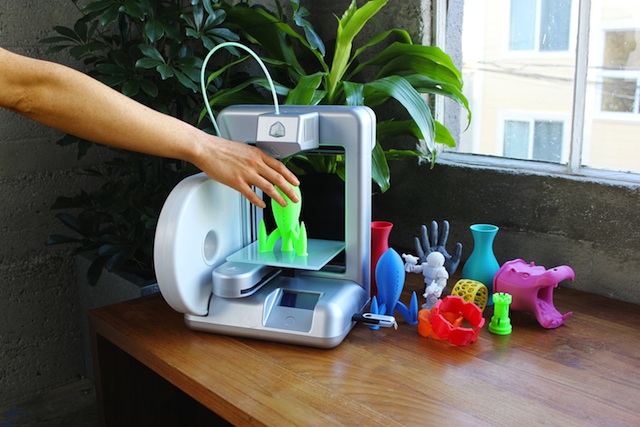
    3D printing is undoubtedly a game changing technology that changes the economics and scalability of manufacturing. But is it possible the technology is becoming over-hyped?

    Two stories today illustrate the opportunities and potential of 3D printing; a home made SLR camera and NASA manufacturing their own rocket parts.

    NASA’s experiment shows how precision, low demand components could be made. One of the problems with procuring parts like rocket engine injectors is that the production runs are low so the manufacturing costs are high given there are no economies of scale involved.

    Additive manufacturing, or 3D printing also has the advantage that components can be manufactured in one piece rather than requiring assembly from a number of different parts. In turn this reduces production times and errors.

    Printing your own camera seems a bit of waste of time and money seeing that cameras aren’t particularly expensive and the one printed isn’t a digital SLR – your have to find somewhere to buy and process the film.

    The point though with Bozardeux’s project is that it is open source – anyone can modify or adapt the design and that is where the potential lies.

    While the possibilities are endless with 3D printing, it may well be that the technology is being overhyped. Both the rocket engine injector and the SLR camera are early stage proofs of concept, neither are ready for full time use.

    It also has to be kept in mind that traditional manufacturing methods aren’t going away – there will always be products more suited to mass production or using materials that can’t be fed through a 3D printer.

    Right now we’re on the early stage of the hype cycle with 3D printing and while the potential is clear, the immediate future of the technology being oversold is also becoming apparent.

    That of course means opportunity for many entrepreneurs and their investors, but it also means you have to be very careful in choosing technologies or where to place your bets.

    In poker it’s said if you don’t know who the patsy is at the table, then it’s probably you. The same is true when a new technology is being hyped.

    Similar posts:

  • Are executives out of touch with IT trends?

    Are executives out of touch with IT trends?

    Yesterday was media briefing day with a number of vendor events, including a very nice lunch with IBM, on the state of the technology industry.

    One thing that was particularly striking with IBM Truth Behind The Trends survey was just how out of touch many of the executives quoted in the report seem to be with responses on topics like malware and Bring Your Own Device being firmly behind the curve.

    This was borne out at the earlier media roundtable with online security company Websense where they described some of the challenges facing Chief Information Officers in making company boards and senior managers aware of technology security risks.

    What surprised most of the journalists in the earlier briefing was just how clueless many of the executives seem to be about online business risks, those who went along to the following IBM briefing realised why – managers genuinely don’t understand how the internet and business technology is evolving.

    That should worry investors as markets are changing rapidly and managers who don’t recognise, let alone understand, the shifts happening are jeopardizing the their business’ futures.

    Why exactly business leaders are so out of touch is something we look at tomorrow where we examine the background of Australia’s CEOs.

    Similar posts:

  • Technology Cannot Save You – the limitations of relying on IT

    Technology Cannot Save You – the limitations of relying on IT

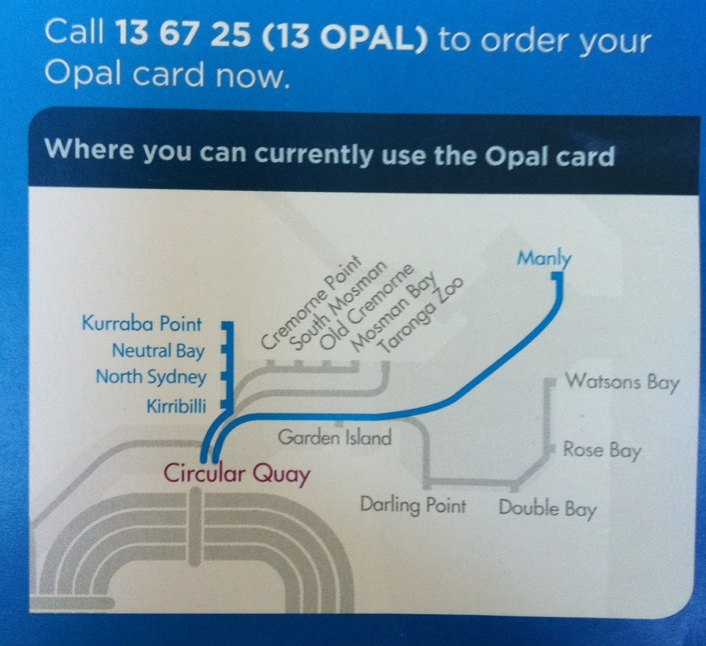
    One of the great conceits of modern times is that technology can solve any problem – the problems of Sydney’s transport system is an example of how IT can’t overcome managerial incompetence.

    The irrepressible New Australian has a good post about Sydney transport system and its battles with the opal card.

    Australian governments have been troubled with smartcard ticketing systems for decades, the Opal Card itself was promised in time for the Sydney Olympics thirteen years ago. Little has been done since.

    The fundamental problem is that governments are being sold technology solutions to fix management and political challenges.

    In Sydney’s case the problem is a complex fare structure and a Balkanised public transport system  – check the situation for a commuter wanting to travel from Parramatta to the city.

    • Ferry fare $7.20
    • Train fare $5.00
    • Bus fare $4.60

    The above fares are the standard single journeys, to make matters worse there’s a mind boggling range of concession, off-peak and periodic fares whose structure owes more to political opportunism, managerial incompetence and agency jobsworths protecting their turf than any logic or fairness.

    Without a logical or consistent to calculating the fares, computer algorithms have no hope – managerialism trumps coding every time.

    Basically Sydney has no chance of getting their system working properly without having an integrated fare and management structure. Technology cannot fix this problem.

    This is not just a Sydney problem A great example of how incompetent management can screw up what should be a straightforward implementation is in Melbourne which has a comparatively simple time based price structure.

    Melbourne’s Myki card has had a similarly troubled life being delivered decades late, hundreds of millions over budget and being so user unfriendly it seems designed to solve the city’s transport overcrowding problem by chasing away passengers.

    Basically management incompetence by arrogant bureaucrats and ignorant ministers doomed Melbourne’s project from the start.

    Australian governments aren’t the only organisations that fall for the fallacy that technology can solve their problems, around the world corporations and public agencies have made the same mistake.

    This is something technologists, and more importantly taxpayers and shareholders, should keep in mind when a CEO or minister is trumpeting the latest technology to fix their organisation’s woes.

    Image of the Opal Card brochure courtesy of The New Australian

    Similar posts:

  • The Five Stages of abandoning a product

    The Five Stages of abandoning a product

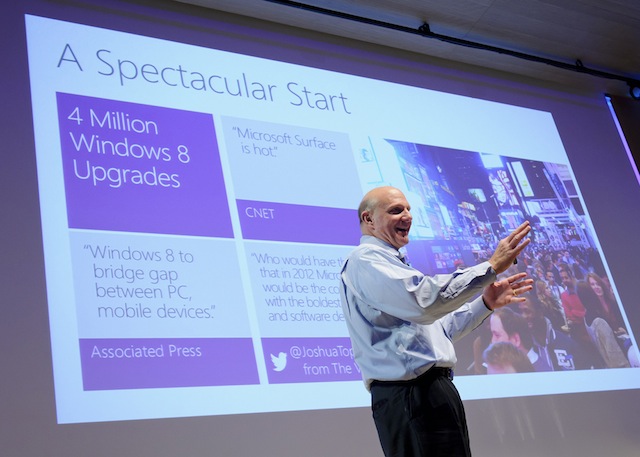
    Killing a technology product is never a clean process, as Google well know. Microsoft show the way to deal with a failed project and we’re seeing their five stages of abandoning a product as they prepare to retire Windows 8.

    The stages of Microsoft are abandoning a product are well known – the failure of Microsoft Vista is the best example, but not the only one.

    As Microsoft smooths Window 8’s pillow and prepares for its imminent demise we can see the process at work.

    Denial

    At first the company denies there is a problem, the flashy advertising campaigns are boosted and the various ‘in the camp’ commentators get informal briefings from company evangelists to fuel their snarky columns about people getting Microsoft’s latest product all wrong.

    This usually goes on for around six months until the market feedback that the product is dog becomes overwhelming – usually this happens at the same time the first reliable sales figures start appearing.

    Anger

    As the consensus in the broader community becomes settled that the new product isn’t good, the company’s tame commentators turn nasty and lash out at the critics for ‘misrepresenting’ the new product.

    This is usually a touchy period for Microsoft and other vendors as they can’t risk being too aggressive but they have to allow their allies to both let off steam and try to recover the credibility they lost in hyping what’s clearly been a market failure.

    Bargaining

    Once it’s clear the perceived wisdom that the product isn’t very good isn’t going to be shaken, the vendor comes out with special offers and pricing changes to try and coax users over to the new service.

    With Windows 8 Microsoft tried something unusual, rather than cutting prices, Microsoft announced they would increase the cost of Windows 8.

    The idea was probably to panic people into buying the product and giving Microsoft a revenue and market share bounce for the quarter.

    It didn’t work – the consensus that Windows 7 is a better product meant people stayed away.

    Depression

    As the realisation that pricing tweaks and promotional stunts won’t work sends the company, and its supporters, into a funk.

    For experienced industry watchers, the silence around a product that’s been heavily hyped and defended for the previous year or two is a good indication that the next version is being accelerated.

    Acceptance

    Eventually the vendor accepts the product has failed and starts working on its own exit strategy – hopefully one that doesn’t see too many executives sacked.

    With Microsoft’s this process starts with a quiet announcement that the replacement version of Windows is on the way, in this case Windows Blue.

    At the same time, the tame commentators start talking about ‘leaks’ of the wonderful new system that is in the pipeline. Early beta versions of the new product start popping up in developers’ forums and file sharing sites.

    Eventually you get stories like this one that appeared in The Verge yesterday – Windows Blue leaks online and we can be sure the Microsoft public relations machine has subtly moved onto the next version.

    Vale Windows 8

    So Windows 8 is coming to an early end. In one way this is a shame as it was a brave gamble by Steve Ballmer and his team to solve the ‘three screen’ problem.

    Computer users today are using three or more screens or devices – a desktop, a smartphone and a TV or tablet computer.

    Microsoft were hoping they could develop a system that unified all these platforms and gave users a common experience regardless of what they were using.

    It appears to have failed, probably because the different devices don’t have the same user experience so a keyboard based system doesn’t work on a touchscreen while a touch based system sucks really badly on a desktop or laptop computer – which is Windows 8’s real problem.

    Unrealistic expectations

    Another problem for Microsoft were the unrealistic expectations that Window 8 would halt the slide of personal computer sales.

    PC manufacturers have been baffled by the rise of smartphones and tablet computers – vendors like Dell, HP and Acer have miserably in moving into the new product lines and they hoped that Microsoft could help arrest their market declines.

    This was asking too much of Windows 8 and was never really likely.

    So the cycle begins again with Windows Blue, the question is whether it will be the last version of Windows as we move further in the post-PC era.

    Similar posts:
  • Are Small Businesses becoming Digital Roadkill?

    Are Small Businesses becoming Digital Roadkill?

    Technology Spectator today discusses if fast broadband initiatives like the National Broadband Network will be good for all small businesses.

    Andrew Twaites of Melbourne consultancy The Strategy Canvas posits that many businesses aren’t equipped to compete against  global competitors.

    The additional competitive pressures that the NBN rollout is likely place on segments of the small business sector that have to date enjoyed a degree of natural protection as a result of their customers’ inability to access super-fast broadband.

    Once that natural protection falls away, many small businesses will for the first time be exposed to competition from interstate and overseas businesses

    This is a very good point; many small businesses are transaction based service providers who can be easily replaced by lower cost overseas companies, particularly now foreign suppliers are easily accessible through services like O-Desk and Freelancer.com.

    Every time I see Freelancer.com’s CEO Matt Barrie talk to a small business audience, I’m surprised the room doesn’t lynch him as he’s describing how their businesses are threatened species and many are living on borrowed time.

    One of the reasons why small businesses are threatened is because they are under-capitalised, many simply can’t invest in the technology or training they need to compete.

    There’s also a reluctance to embrace technology, that half of all small businesses – in the US, the UK or Australia – don’t have even a basic website.

    On a recent holiday in Northern NSW, I checked dozens of tourism businesses’ online presences. Few had a website and almost none had bothered filling in their Google Places profiles, let alone set up social media presences.

    Yet almost all of their new customers are looking for them on the web, increasingly through mobile devices or social media services where they are invisible.

    Not having a website, local listing or Facebook page are trivial things; but the fact that most businesses haven’t done the basics doesn’t bode well as the speed of commerce accelerates over the rest of this decade.

    That many small businesses will be put out of business by today’s changes isn’t unprecedented – blacksmiths were out of job shortly after the motor car rolled out and whale oil manufacturers by gas and then electric lighting.

    As Andrew points out, we assume ‘creative destruction’ just disrupts big incumbent corporation. In reality it’s the little guys who feel more pain than insulated executives of big business.

    Many of us little guys are going to have to start thinking about adapting to very changed times, the risks of being digital roadkill are real.

    Doll roadkill image courtesy of Pethrus through WikiMedia

    Similar posts: