Tag: consumer

  • Connecting the vending machine

    Connecting the vending machine

    Wired Magazine’s Klint Finlay speculates why Coca-Cole would want sixteen million MAC address for their vending machines.

    That Coca-Cola has connected all their vending machines shouldn’t come as a surprise, probably the only thing moderately unusual from this story is that the soft drink company organises its own hardware rather than getting the machine manufacturers to do it.

    Vending machines being connected isn’t new, back in the days of dial up modems some of the more advanced one would use phone lines for basic diagnostics.

    Today most vending machines have a cellular connection used for payments, stock monitoring, fault warnings and vandalism detection.

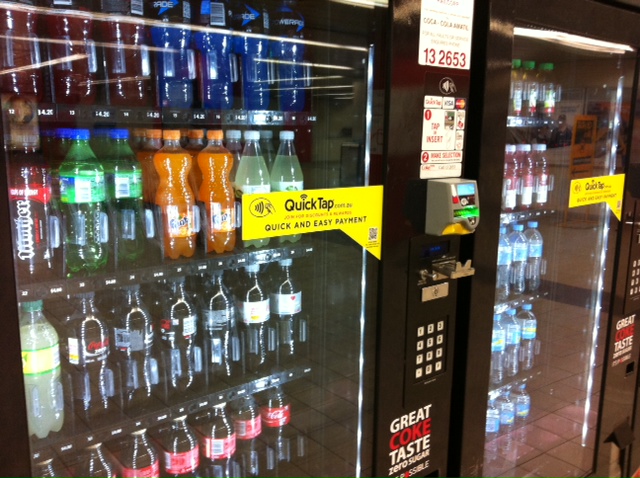
    A visit to my local swimming pool today showed this, the Coca-Cola branded machine machine outside the change rooms offers credit payments and in the not too distant future will probably include some sort of NFC type option.

    vending-machine-prince-alfred-pool-iot

    On top of the the machine is a little aerial for the back to base communications. So the device can validate and bill cards, report back when stock levels are low and alert operators to anything untowards happening.

    Vending-machine-aerial-iot-wireless-connection

    A big opportunity for the soft drink companies and their distributors is analysing the information about buying patterns at various locations — it’s a classic Big Data play.

    So it’s not surprising Coca-Cola has registered a block of MAC addresses as the company will probably need several more 16 million blocks in the not too distant future as more of their operations from bottling plants to vending machines require unique connections.

    Vending machines are a small but obvious example of how the internet of things is evolving, in the near future most consumer devices will have similar options.

    Similar posts:

    • No Related Posts
  • Disruption and leadership

    Disruption and leadership

    As new communications tools appear, the challenge for managers is to deal with the disruptions these technologies bring to their businesses.

    Launching Deloitte Digital’s release of Taking Leadership in the Digital Economy last week the Executive Director of Telstra Digital Consumers, Gerd Schenkel, described how business is changing as consumers are being empowered by smartphones.

    A good example of this is the taxi industry where applications like GoCatch, InGoGo and Uber give passengers the opportunity to fight back against poor service from protected operators.

    Sydney is an attractive market for taxi industry disruptors as the current protected market fails both passengers and drivers. Travis Kalanick, the CEO of Uber, said at the Sydney launch of his service earlier last week that the city is one of the more ‘problematic” markets they’ve entered alongside San Francisco and Paris.

    That letting down drivers along with passengers is an also an important point – drivers get 80% of Uber’s charges while InGoGo and GoCatch free operators from poor booking systems that frustrate everybody involved in the industry while making the system as unaccountable as possible.

    Similar changes are happening in other industries as technology changes the way suppliers, customers and staff work.

    A good example of changing work practices is the adoption of Bring Your Own Device (BYOD) policies in the workplace. A few years ago in most businesses it was unthought of that staff could be allowed to bring their own computers to work. Today it’s common and soon the companies that don’t have a BYOD policy will be exception.

    BYOD has happened because of the arrival of cheap consumer devices like smartphones and tablets along with IT departments rolling out web based services.

    We’ve seen this before – probably the greatest influences on the shape of modern society had been electricity and the motor car. These, and many other technological changes have shaped today’s workplace.

    Many businesses though suffer for those changes as we’re seeing with the drying up of the newspapers’ “rivers of gold”.

    For Telstra this is seen in the demise of their phone directory business; Sensis was a true river of gold in the days of printed phone directories, but a number of management mis-steps over the last 15 years meant they totally missed the transition to digital.

    The tragedy for Telstra that Sensis’ strength in the local advertising market should have been a positive given Google’s failure to execute on their local search strategy.

    On reflecting about the struggle to deal with transitions to new technology, just how many business are like Sensis and Fairfax in having leaders that aren’t equipped to deal with these changes.

    The leaders of the 1980s whose business models were based on the assumption of economic growth underpinned by easy credit, cheap energy and demographic growth and now finding those factors are moving against them at the same time technology change is disrupting their industries.

    For the upcoming generation of leaders, both in business and government, having the ability to adapt to the changed power relationships between customers, suppliers and workers is going to be essential. For those steeped in last century’s certainties, it’s going to be a tough time.

    Similar posts:

  • ABC Weekend Computers – should you buy an iPhone 5?

    ABC Weekend Computers – should you buy an iPhone 5?

    With the usual hooplah, Apple announced their new iPhone last week. Should consumers drop their existing phones and buy the new iPhone?

    On ABC 702 Sydney Weekend computers this Sunday, September 16 from 10.15am Paul Wallbank and Simon Marnie will be looking at the choices in the smartphone market.

    Some of the topics we’ll discuss include;

    We love to hear from listeners so feel free call in with your questions or comments on 1300 222 702 or text on 19922702.

    If you’re on Twitter you can tweet 702 Sydney on @702sydney and Paul at @paulwallbank.

    Should you not be in the Sydney area, you can stream the broadcast through the 702 Sydney website and call in anyway. Everyone’s views are welcome.

    Similar posts:

  • Nightlife Computers: Sockpuppets, trolls and fakes

    Nightlife Computers: Sockpuppets, trolls and fakes

    Paul Wallbank joined Tony Delroy for the 6 September 2012 ABC Nightlife technology spot to discuss sock puppets, what they mean on review sites and what this means for businesses using social media as a marketing tool.

    If you missed the program, you can listen to the podcast from the Tony Delroy’s Nightlife page.

    This week’s sock puppet scandal puts the light on authors’ book reviews on sites like Amazon while other review services like TripAdvisor, Yelp and Urbanspoon continue to struggle with figuring out which reviews are real.

    Businesses also have to worry about what people are posting in light of the recent Advertising Standards and ACCC rulings making businesses more accountable with what’s posted on Facebook.

    Some of the questions we’ll look at include;

    Join us from 10pm, Australian Eastern Time on Thursday September 5 on your local ABC radio station or listen online through their streaming service at www.abc.net.au/nightlife.

    We’d love to hear your views so join the conversation with your on-air questions, ideas or comments; phone in on the night on 1300 800 222 within Australia or +61 2 8333 1000 from outside Australia.

    You can SMS Nightlife’s talkback on 19922702, or through twitter to @paulwallbank using the #abcnightlife hashtag or visit the Nightlife Facebook page.

    Similar posts:

  • Empathy and the genius salesman

    Empathy and the genius salesman

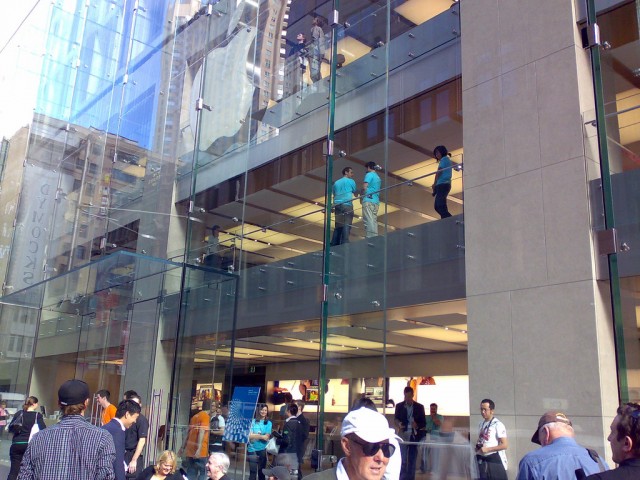
    One of Apple’s great successes has been in delivering services through its stores. Tech site Gizmodo managed to get a peak at Apple’s training manual for their in-store ‘Genius’ technicians.

    A word that keeps popping up in the manual is ’empathy’ – as Gizmodo says;

    The term “empathy” is repeated ad nauseum in the Genius manual. It is the salesman sine qua non at the Apple Store, encouraging Geniuses to “walk a mile in someone else’s shoes,”

    While the Gizmodo writers and many of the site’s readers seem surprised or cynical about this, it’s not surprising for anyone who’s worked in sales or tech support, and the Apple Store Geniuses are doing both.

    Empathizing with the customer or caller gives them confidence and builds trust. For someone in sales, listening and emphasizing is how one finds out what the customer really want. On the support desk, putting yourself in the customer’s position makes it easier to diagnose the problem.

    That empathy a real return on investment – US Apple Stores earn 17 times more per square foot than the average retail store. The next most profitable retailer is Tiffany & Co who only boast have the revenue.

    What Apple again show is that training matters. Every surly computer store assistant, every grumpy flight attendant or bored call centre worker can, with the right training and incentives, be just as effective as an Apple Store genius.

    Sadly too many businesses, particularly retailers, see training as a cost and their employees as naughty children. Those businesses have a serious problem.

    Without empathy – the ability to put yourself in your customers’ shoes – your business is working with a distinct disadvantage.

    Similar posts: