Tag: samsung

  • Inside Samsung’s exploding batteries

    Inside Samsung’s exploding batteries

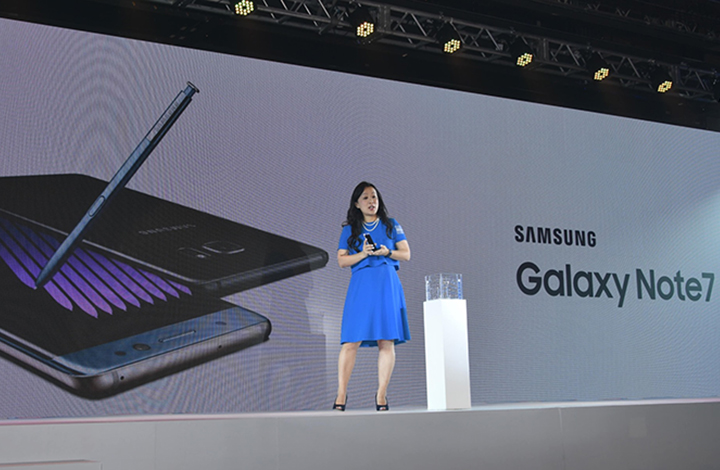
    One of the most humiliating corporate crises of recent history has to be last year’s recall of the Galaxy Note.

    Airlines around the world started telling passengers that the devices were banned during their pre flight briefings, causing untold damage for the Samsung brand.

    Now Samsung have completed a review into what happened including an infographic illustrating the exact problem with the batteries.

    That review shows the design and manufacturing errors that resulted in the batteries bursting into flames. How Samsung are fixing it or putting in systems to prevent that happening again isn’t discussed.

    What the infographic does show is how complex the design, engineering and manufacturing is in modern technology – something that is often overlooked by many technologists.

    Battery technologies are particularly fraught as a lot of energy is compressed into a small space and the chemistry of Lithium Ion batteries makes them particularly dangerous should they be damaged or incorrectly used, as Boeing found with the early models of the 787 Dreamliner.

    Modern life and the devices that we take for granted are complex and that complexity though can easily come back to bite us. As Samsungs’ exploding batteries show, sometimes that complexity is difficult to manage.

     

    Similar posts:

    • No Related Posts
  • Smartphones become a mature market

    Smartphones become a mature market

    As Apple celebrates shipping a billion iPhones, the smartphone industry has entered maturity reports IDC.

    The analyst firm’s latest survey of the global smartphone industry reports only 0.3% growth over the equivalent period of last year.

    While both Apple and Samsung have had successes over the past year with new models, IDC believes growth now lies in shifting ‘flagship products’ at lower price points with enhanced features.

    A more mature industry opens opportunities for the cheaper Chinese brands and IDC is finding those companies are unsurprisingly proving successful in emerging markets. For the established brands redefining their price points and models is going to be the challenge.

    That mature marketplace is going to focus the minds of product managers, marketers and executives at all the manufacturers as capturing profit and investors’ imaginations in a mature market is very different to that when selling a new, high growth product.

    Similar posts:

    • No Related Posts
  • Samsung pins its hopes on the Internet of Things

    Samsung pins its hopes on the Internet of Things

    South Korean industrial giant Samsung is struggling, in the last year its smartphone division reported a 75% drop in revenues while their handsets, while still the world’s most popular, lost ten percentage points of market share.

    The company’s smartphone division is stuck because mobile carriers in the western world are abandoning subsidies for handsets, with most developed markets now at saturation point for cellphone adoption there’s little point in chasing market growth for all but the most desperate telco.

    For Samsung that’s been a problem as their premium model strategy has been based upon western consumers ordering a new phone every 18 to 24 months as their mobile contracts were renewed, now those deals are not so common a key sales channel for the Korean conglomerate has been lost.

    This leaves Samsung looking for the next market and at this week’s IFA consumer technology event in Berlin, the company unveiled its Smart Things hub, a cylindrical device that connects with your TV, air conditioning, music system, and other home appliances.

    Smart Things was an acquisition Samsung made last year to improve its IoT product line and the company has an open platform for connecting household devices with over 200 already certified.

    For Samsung with its range of domestic equipment this may well mark the future for the business. The interesting thing though is the smartphone is still integral in today’s vision of the connected home, so we won’t see Samsung leaving the handset market soon.

    Similar posts:

    • No Related Posts
  • Apple continue to win the smartphone wars

    Apple continue to win the smartphone wars

    As the annual Mobile World Congress begins to wind down in Barcelona, Kantar Worldpanel decides to stir things up with its quarterly report on the market share of mobile phones.

    The news is mixed; Apple continues its rampage in the Chinese market with a quarter of phones sold in the PRC being iPhones while Android slips in Europe but picks up market share in the US.

    At the top end of the market it’s clear Apple is beating Samsung and the other manufacturers are deciding to avoid entering the battle of the market at all, instead focusing on lower and midrange devices.

    Competing at the price points which don’t interest Apple may not be easy though suggests Carolina Milanesi, ComTech’s Chief of Research & Head of US Business; “while mid-tier consumers might be more accessible than high-end ones, manufacturers will have to work harder than ever to stand out in an increasingly crowded marketplace.”

    Diversifying away from a tough smartphone market is one reason for the focus on watches at Mobile World Congress although even in that market Apple is about to launch a blitz around its upcoming product.

    It remains to be seen if Apple win the watch market for the moment though they safely have the smartphone business firmly under control.

    Similar posts:

    • No Related Posts
  • Samsung needs a win with the Galaxy 6 smartphone

    Samsung needs a win with the Galaxy 6 smartphone

    Having seen its dominance of the smartphone market eroded by a resurgent Apple and a range of upstart Chinese vendors, Samsung has announced it will launch its Galaxy 6 smartphone on March 1 reports the Sammobile website.

    The new phone is reported to boast a curved screen measuring somewhere between 5.1 and 5.3-inches a fingerprint sensor and a 20 mega-pixel camera, which compares well to the iPhone 6’s eight mega-pixel camera.

    While the proposed specs are impressive, the company has a challenge ahead as consulting firm IDC reported its smartphone shipments dropped 11% year on year last quarter in an market that grew by quarter.

    Top Five Smartphone Vendors, Shipments, Market Share and Year-Over-Year Growth, Q4 2014 Preliminary Data (Units in Millions)  source IDC Research

    Vendor

    4Q14 Shipment Volumes

    4Q14 Market Share

    4Q13 Shipment Volumes

    4Q13 Market Share

    Year-Over-Year Change

    1. Samsung

    75.1

    20.01%

    84.4

    28.83%

    -11.0%

    2. Apple

    74.5

    19.85%

    51.0

    17.43%

    46.0%

    3. *Lenovo

    24.7

    6.59%

    13.9

    4.75%

    77.9%

    4. Huawei

    23.5

    6.25%

    16.6

    5.66%

    41.7%

    5. Xiaomi

    16.6

    4.42%

    5.9

    2.03%

    178.6%

    Others

    160.9

    42.9%

    120.9

    41.31%

    33.1%

    Total

    375.2

    100.0%

    292.7

    100.0%

    28.2%

    *Lenovo + Motorola

    24.7

    6.6%

    19.5

    6.7%

    26.4%

    While the numbers for the Chinese manufacturers are impressive, Apple’s shipments should also worry Samsung given the two companies are fighting for the top end consumers in the European and North America markets.

    For Samsung  its smartphones form a central part of its Internet of Things strategy so the success of the Galaxy 6 is critical to the company’s future plans, particularly given the lukewarm reception to the Tizen based Z1 phone on the Indian market last month.

    Samsung’s China Crisis

    With Samsung struggling with both its high end Android smartphones and its lower priced Tizen devices as Chinese manufacturers like Lenovo, Xiaomi and Huawei steal market share, the company  desperately needs to hit the mark with the Galaxy 6.

    Google as well has a stake in Samsung’s success as the Chinese manufacturers are increasingly turning to open source versions of Android for their smartphone systems. A flagship device for Android to counter the iPhone 6 is desperately needed to keep consumer and developer interest in the Google Play store and for Google’s consumer IoT ambitions.

    The stakes are high for both Google and Samsung, the South Korean giant getting a mis-step with the Galaxy 6 could see it following the faded fortunes of its Japanese competitors.

    Similar posts:

    • No Related Posts