Tag: cars

  • Smartcars and sports tech – ABC Nightlife April 2015

    Smartcars and sports tech – ABC Nightlife April 2015

    Paul Wallbank joins Tony Delroy on ABC Nightlife nationally from 10pm Australian Eastern time on Thursday, April2 to discuss how technology affects your business and life.

    For the April 2015 program Tony and Paul look at Tesla founder Elon Musk’s prediction that driverless cars could be on US roads by the middle of the year.

    Another industry that’s currently being disrupted by technology is sports. On the field, in the stadium and at home how games are played and watched is being changed.

    Join us

    Tune in on your local ABC radio station from 10pm Australian Eastern Summer time or listen online at www.abc.net.au/nightlife.

    We’d love to hear your views so join the conversation with your on-air questions, ideas or comments; phone in on 1300 800 222 within Australia or +61 2 8333 1000 from outside Australia.

    You can SMS Nightlife’s talkback on 19922702, or through twitter to @paulwallbank using the #abcnightlife hashtag or visit the Nightlife Facebook page.

    Similar posts:

    • No Related Posts
  • Driverless cars outrun the law

    Driverless cars outrun the law

    Tesla founder Elon Musk believes there will be driverless cars on US roads by the summer, the New York Times reports.

    One of the key factors in whether Musk’s prediction comes to and driverless cars are on the road by the middle of the year is the law with most people assuming autonomous vehicles are currently illegal.

    Some experts however believe current laws don’t prevent driverless cars, with the New York Times quoting one industry leader who suggests there’s no legal barrier to autonomous vehicles taking to the road.

    Tesla is not alone in pushing the envelope. Chris Urmson, director of self-driving cars at Google, raised eyebrows at a January event in Detroit when he said Google did not believe there was currently a “regulatory block” that would prohibit self-driving cars, provided the vehicles themselves met crash-test and other safety standards.

    This view raises an interesting legal argument, who is the recognised driver of an autonomous vehicle? In the event of an accident or dispute does liability rest with the owner, the manufacturer or the passengers?

    What this debate over driverless vehicles illustrates is how laws specific to today’s society aren’t always applicable to tomorrow’s technologies; certainly many of the laws designed for the horse and buggy era became redundant as the motor car took over a hundred years ago.

    Another consequence of autonomous vehicles are the changes to occupations supporting the motor industry; it’s obvious that panel beaters and insurance lawyers may have their jobs at risk but Jay Zagorsky in The Conversation suggests nearly half of US police numbers would be redundant if there are no more car drivers.

    Given how the funds local and state governments raise from traffic offences, a shift to driverless technologies could even have an effect on city budgets.

    The motor car was the most far reaching technology of the Twentieth Century in the way it changed the economy and society over those years, it’s hardly surprising that we are only just beginning to comprehend how a shift to driverless vehicles may change our lives this century.

    Similar posts:

  • Links of the day – redesigning the car and South China Mall.

    Links of the day – redesigning the car and South China Mall.

    The CES extravaganza continues in Las Vegas with a wave of announcement, most of which I’m ignoring, however the motor industry continues to show off new developments with Mercedes displaying their vision of how a driverless car will look.

    Other interesting links today include an analysis of the ill fated South China Mall’s flaws and how Amazon is reorganising its R&D efforts after the failure of the Amazon Fire.

    Mercedes redesigns the car

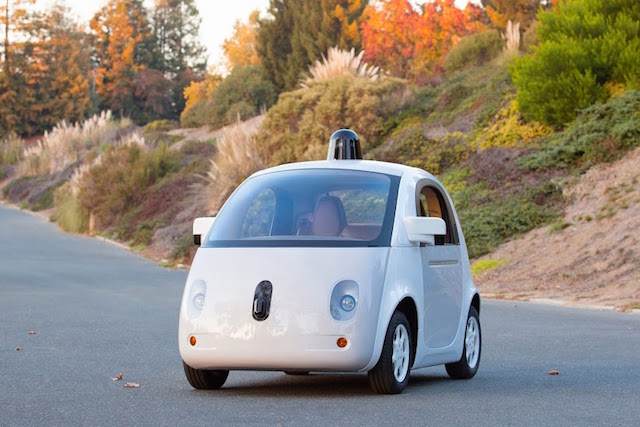
    A little while back I suggested that we could do better in redesigning the driverless carMercedes have gone ahead and done it.

    Mercedes’ redesign of the driverless car indicates just what can be done when we rethink what passengers will need in the vehicles of the future.

    Ford recalls a vehicle for a UI upgrade

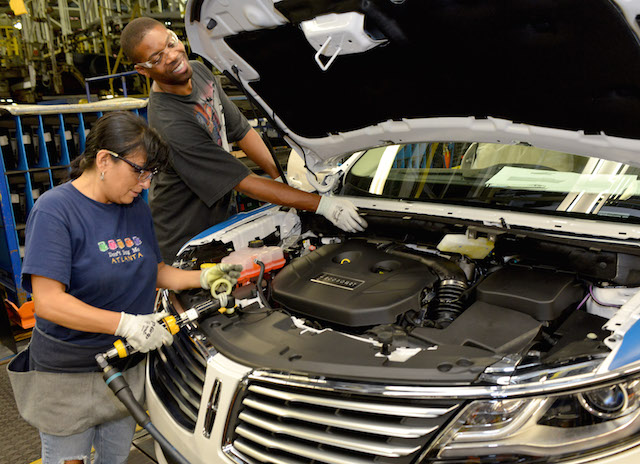
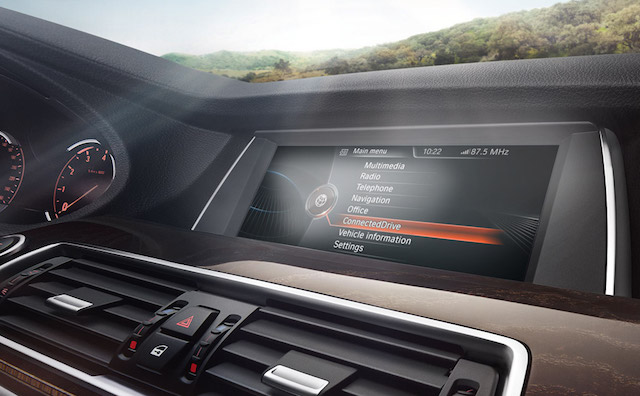
    Ford has recalled its Lincoln MKC SUV models for a software upgrade after discovering drivers were shutting down the cars by accident.

    What’s notable with this story is how software changes are now one of the main reasons for recalling vehicles and how design flaws in an automobile’s computer programs are relatively quickly discovered and resolved.

    We will probably find in the near future car manufacturers will carry out the upgrades remotely rather than ask owners to bring their vehicles into dealerships.

    A long running security flaw is exposed

    In August 2013 a security researcher warned UK online greeting card vendor Moonpig that its system exposed up to six million users’ account and financial details. Until Monday the company had ignored him. This is a tale of classic management disregard for customer security and one area where business culture needs to dramatically change.

    Rumours of an AOL – Verizon merger

    It’s a speculative story but if a merger between US telco Verizon and former internet giant AOL goes ahead it may mark another wave of telcos moving into content services, although it’s hard not to think that Verizon could spend its money more wisely.

    After a flop, Amazon restructures its R&D

    The Amazon Fire was by all measures a miserable flop as a smartphone however it seems the company learned some important lessons from the device’s market failures. Instead of abandoning its research efforts, the online behemoth is increasing it’s R&D budget and reorganising its development division.

    Design fails of the South China Mall

    South China Mall just south of Guangzhou has been the poster child of Chinese malinvestment during the nation’s current boom. In a blog post from 2011, a shopping mall expert visits the development and points out the major design faults in the complex which may well have doomed the project from the beginning.

    Similar posts:

    • No Related Posts
  • Building safer roads and cars

    Building safer roads and cars

    Yesterday’s blog post considered how we might design a driverless car without the legacies of today’s vehicles.

    In the meantime we have to deal with our own human failings on the road and already tomorrow’s technologies are helping us drive better today.

    The day when driverless cars are the norm on our roads may be a generation, possibly further, away but many of the technologies that make autonomous vehicles possible are available today and are appearing in many new models.

    Last year the MIT Technology Review looked at BMW’s driverless car project and made the point that the technologies are still some years away from being adopted, the features being incorporated in today’s vehicles are already reducing accidents.

    Thanks to autonomous driving, the road ahead seems likely to have fewer traffic accidents and less congestion and pollution. Data published last year by the Insurance Institute for Highway Safety, a U.S. nonprofit funded by the auto industry, suggests that partly autonomous features are already helping to reduce crashes. Its figures, collected from U.S. auto insurers, show that cars with forward collision warning systems, which either warn the driver about an impending crash or apply the brakes automatically, are involved in far fewer crashes than cars without them.

    This fits in with the vision described last year by Transport For New South Wales engineer John Wall who described how Australian roads can be made safer through the use of smarter cars, roadside sensors and machine to machine technology.

    As the MIT story illustrated, many of the technologies Wall discussed are being incorporated into modern cars with most of the features needed for largely autonomous driving being common by 2020.

    Comparing smart car technologies

    Like many of the things we take for granted in low end cars today most of the advanced features will be appearing in top of the line vehicles initially, we can also expect the trucking and logistic industries to be early adopters where there’s quantifiable workplace safety improvements or efficiency gains. Eventually many of these features will be standard in even the cheapest car.

    One thing is certain, while the driverless car is some way off we’re going to see the roads become safer as new technologies are incorporated into cars.

    Similar posts:

    • No Related Posts